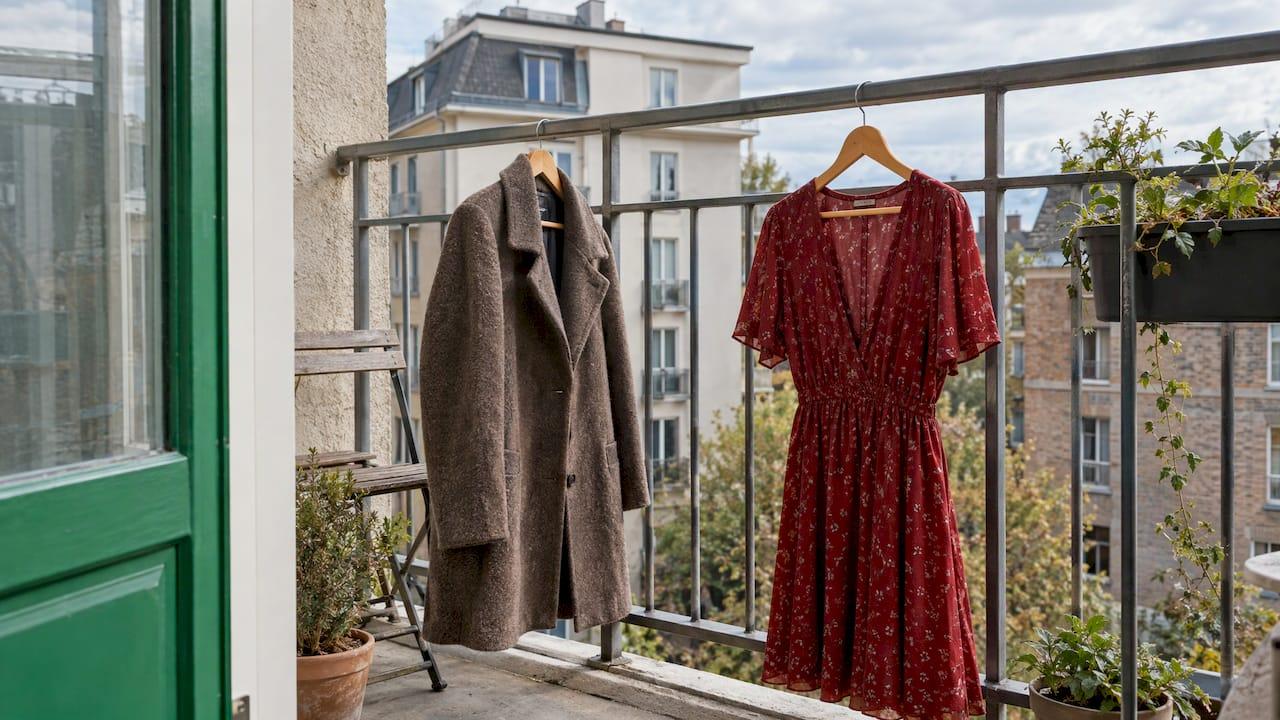
Most clothing odors come out with the right combination of fresh air, a soak and a proper wash. The method depends on the cause: musty smells need drying and airing, sweat odor needs an enzyme detergent, and mildew needs a hot wash. Items that can't go in the machine can be aired, steamed or sealed up with an odor absorber. If you sell or buy secondhand clothes locally, this matters twice: a fresh-smelling item sells faster, and a smelly find can be rescued for the price of a few household items. You can list or browse clothing near you on Marketplace.
TL;DR
- Identify the smell first: musty or mildew, sweat and body oil, smoke or storage odor each need a different fix.
- For washable items, soak in a 50/50 water and white vinegar mix or use an enzyme detergent, then wash and dry completely.
- For non-washable pieces, air them outside for an hour or two, dust with baking soda, or steam them, after checking the care label.
- Visible mold is different: brush it off outdoors, wash hot with the right bleach for the fabric, and never mix bleach and vinegar.
- Clean the washing machine too. A grimy machine can put the smell right back.
Table of Contents
- Start by working out what you are smelling
- Methods that work without washing
- Washing it out properly
- Fabric matters
- Why clothes still smell after washing
- Underarm and body odor
- Mold and mildew: a safety-first routine
- Thrift-store and secondhand smells
- Selling clothes locally? Smell is part of the listing
- Perspective
- Turn the clean-out into cash
- FAQ
- Sources
Start by working out what you are smelling
Smell is a symptom. Treating the wrong cause is why people wash a shirt three times and it still stinks.
| What you notice | Likely cause | Where to start |
|---|---|---|
| Damp, stale, "closet" smell | Moisture, poor airflow, storage | Air out, then wash or deodorize |
| Sour smell returning when you sweat or warm up | Body oil and bacteria in the fibers | Enzyme detergent, vinegar soak |
| Fuzzy spots or a mildew smell | Mold or mildew | Brush outdoors, hot wash |
| Smell on everything from the same machine | Detergent film in the washer | Clean the machine |
| Thrift-store smell on one item | Old storage and years of wear | Air, then soak or deodorize |
Methods that work without washing
Sometimes you can't wash a piece: a tailored blazer, a wool coat, a dry-clean-only dress. These methods are gentle, cheap and use what is already at home.
Air and sunlight
This is the oldest fix and still the first one to try. Wirecutter advises hanging an item outside for an hour or two so UV rays can kill bacteria. E-Cloth's guide gives the same one to two hours but warns against prolonged direct sun on colored or delicate fabrics, which can fade. Choose a shaded, breezy spot for those.
Baking soda
Baking soda absorbs odor. The same E-Cloth guide suggests dusting it on the smelliest areas, such as underarms and collars, leaving it 15 to 20 minutes, then brushing it off. For a whole garment, The Spruce describes sprinkling a thin, even layer, leaving it for hours or overnight and vacuuming it up.
A vinegar spray
A 50/50 mix of water and white vinegar in a spray bottle is a standard quick fix. E-Cloth recommends misting the inside of the fabric after a spot test, then letting it dry fully. The vinegar smell fades as it dries. Read the care label first, since not every fabric tolerates it.
Steam
A handheld steamer or the steam of a hot shower can freshen wool, cotton and many blends. Woman's World lists about 10 minutes of steaming among its no-wash options. Skip it on delicate materials like silk, velvet and leather unless the label says it is fine.

A DIY fabric spray
The same Woman's World list includes a mix of 1 cup water, 1/4 cup vodka or witch hazel and about 20 drops of essential oil, sprayed from about a foot away. Keep alcohol-based sprays away from flames, as E-Cloth notes, and test a hidden spot first.
Freezing and sealed storage
For items you can't wash, two slower options help. Woman's World mentions freezing dry, bagged items overnight. The Spruce lists newspaper stuffed in sleeves for up to two days, or a bag with cat litter for up to a week, for non-washable pieces. Activated charcoal kept nearby also absorbs odors.

For delicate, tailored and dry-clean-only garments, this guide to fixing deodorant stains on shirts covers a no-wash approach for the underarm area.
Washing it out properly
When the care label allows it, washing beats every spray. A few adjustments make the difference.
Soak first for stubborn smells
Wirecutter recommends soaking persistent items in a 50/50 mix of water and white vinegar for an hour before laundering, or giving them a longer enzymatic-detergent soak, repeated as needed. The Spruce suggests, for musty odors, a soak with one cup of baking soda for at least an hour and half a cup of distilled white vinegar in the final rinse.
Choose the right detergent
Sweat, body oil and many food odors are organic, and enzyme detergents are made to break them down. Wirecutter points to switching to an enzyme detergent when smells persist. If you are comparing options for stubborn wet-laundry and mildew smells, this explainer on choosing an eco-friendly detergent is a good place to start.
Dr Kilah, quoted by ABC News, suggests powdered detergent can help because it often contains a peroxide source that kills microbes. The same report quotes a textile expert who says a musty wet-laundry smell generally means the items need to be washed again, and that a tablespoon of white vinegar in the fabric-softener drawer helps with bad smells.
Mind the temperature and the dryer
Hot water is not always better. Wirecutter warns that high-heat drying sets stains, so wash vintage or stained pieces first and air-dry them. Check the label for the hottest safe temperature, and let everything dry completely before it goes in a drawer. E-Cloth stresses that clothes must be fully dry before storing to prevent mildew.
Fabric matters
Not all fibers hold odor the same way. Wirecutter notes that natural fibers such as linen, silk, cotton and wool are easier to clean and deodorize than synthetics, and that polyester in particular retains odors. If you have a gym shirt that never quite smells clean, the fabric is probably the reason, not your laundry skills.
For synthetics, air-dry the item before it goes into the hamper. Wirecutter explains that odors in synthetics can return with warmth or moisture, a pattern it calls odor rebloom. That is why a shirt can smell fine out of the dryer and sour an hour into the day.
Why clothes still smell after washing
This is one of the most common frustrations, and the cause is often the washer rather than the clothes.
- Clean the machine. Wirecutter says detergent leaves a sticky film on internal parts that collects bacteria and can transfer to clothes. Run an empty hot or sanitizing cycle and clean the dispenser, gasket and drum.
- Use a machine cleaner, but not constantly. Wirecutter mentions machine cleaners made for this job. Dr Kilah, quoted by ABC News, says to use them only about every three months.
- Don't leave wet laundry sitting. Kilah ranks ventilation as the top way to prevent musty laundry: empty the machine and hang items up as soon as possible.
- Don't overload or overpour. Extra detergent can leave residue that holds odor. Use the recommended amount.
- Repeat the soak. Deeply embedded smells sometimes need two rounds before they go.
Underarm and body odor
Sweat itself barely smells. The odor comes from bacteria working on sweat and body oil that stay in the fabric. Wirecutter describes sebum, mineral buildup and trace metals embedding in fibers, especially synthetics. That is why a regular wash alone often leaves the underarm area smelling.
A routine that works for most washable shirts:
- Turn the shirt inside out so water and detergent reach the underarm.
- Pretreat the area with a dab of enzyme detergent and work it in with a soft brush.
- Soak 30 to 60 minutes in cool or warm water, or use the vinegar soak above.
- Wash on a normal cycle and check the shirt before it goes into the dryer. If a faint smell remains, repeat rather than drying it, since heat can lock the odor in.
Baking soda rubbed on the area for 15 to 20 minutes, then brushed off, helps between washes.
Mold and mildew: a safety-first routine
Mildew smell with visible spots needs more care, because you are dealing with fungus, not just odor.
- Brush it off outdoors. Real Simple and the University of Georgia Extension both say to brush off mildew outside so spores don't spread indoors.
- Pretreat and wash hot. Real Simple recommends an enzymatic heavy-duty detergent for at least 15 minutes, then the hottest wash the label allows, ideally above 140°F.
- Pick the right bleach. Real Simple suggests chlorine bleach for white natural fibers and an oxygen-bleach soak for residual stains. Georgia Extension says to use chlorine bleach only if safe for the fabric and to pretest on a hidden area. Ventilate the room when using strong solutions.
- Never combine bleach and vinegar. Real Simple states this directly.
- Dry fully, in sun if the fabric allows. Georgia Extension also lists salt and lemon juice with direct sunlight for some stains.
Wear gloves and eye protection when cleaning mold, and consider a respirator for larger amounts. Heavily affected items may not be worth saving: a mold expert quoted by Nine.com.au advises discarding clothes with visible mold growth, particularly thick items like jackets. If you or anyone in your home has asthma or a mold allergy, check with your doctor before handling moldy items.
Thrift-store and secondhand smells
Secondhand clothes often carry years of storage, whether in a basement, a cedar chest or a smoker's closet. The approach is gentle and layered:
- Air the item outside in the shade for a few hours or a day. The Spruce's cleaning experts recommend this first for thrifted pieces.
- If it is washable, wash with detergent and add vinegar to the rinse.
- If not, hang it in a breathable bag or seal it with an open box of baking soda for a few days.
- Read the care label before applying any vinegar or solution.
Don't rush to hot water on older garments. Wirecutter says vintage or stained pieces should be washed first and air-dried, because high heat sets stains.
Selling clothes locally? Smell is part of the listing
Buyers can't smell a photo, but they do smell the item when you meet. A garment that smells musty at the handoff loses the sale, or the buyer asks for a lower price. A few habits help:
- Wash, or air out and deodorize, every item before you list it.
- Store listed clothes in a dry spot with airflow, not in a sealed bag in the garage.
- Mention in the description that the item has been laundered or aired.
- Take photos in daylight, so the buyer sees the real fabric and condition.
Buyers should also expect to refresh a secondhand find. Ask the seller in chat where the item was stored and whether it came from a smoke-free home. Then use the airing, soak and wash steps above.
Perspective
We think a clean, fresh item is the quickest route to a completed local sale. Most buyers are looking for a nearby deal on clothes, and the smell test happens in the first ten seconds of a meetup.
That is why we pair local listings with direct chat and verified seller ratings. A buyer can ask how an item was stored before they meet, and a seller who describes the item honestly builds the kind of reputation that brings repeat buyers.
Our advice to sellers clearing out a closet is simple: wash, air and photograph in good light, then list. Our article library covers decluttering, pricing and safe transactions in the same practical spirit.
Marketplace
Turn the clean-out into cash
Once your clothes smell fresh, they are ready to go. Marketplace lets you list fashion, electronics, home and garden items and more for local buyers, with secure payments, verified seller ratings and instant chat, so you can answer questions about fabric and storage before anyone shows up. Buyers can browse fashion listings nearby and message sellers directly.

If you are clearing out a closet or garage, wash and sort first, then list the pieces in batches by category.
FAQ
Can baking soda really remove odors from clothes?
Baking soda absorbs odors and is a standard first step. The Spruce says most clothing smells can be removed with baking soda or vinegar. Dust it on smelly areas for 15 to 20 minutes, or soak washable items in a cup of it for an hour or more, then wash.
How do I get a musty smell out of clothes I can't wash?
Air them outside in the shade for a few hours, then seal them in a bag with an open container of baking soda or activated charcoal for several days. Steaming can also help on suitable fabrics. Check the care label before using any spray.
Why do my clothes still smell after I wash them?
The washing machine is often the cause, since detergent film can collect bacteria and transfer it back to your clothes. Run a hot cycle with a machine cleaner, empty the drum promptly and consider an enzyme detergent. Synthetic fabrics also hold on to odor more than cotton or wool.
Is it safe to mix vinegar and bleach to get rid of mold smell?
No. Real Simple says never to combine bleach and vinegar. Use one product at a time, rinse thoroughly between them and ventilate the room. If you are unsure, use detergent and an oxygen-based bleach on durable fabrics.
Sources
- How Do I Get Stinks and Stains Out of Clothes? (Wirecutter)
- Why Do Your Clothes Still Smell After Washing? (Wirecutter)
- How to Take Smell Out of Clothes Without Washing (Woman's World)
- How to Clean Thrifted Clothes and Furniture (The Spruce)
- How to Get Rid of Smell in Clothes Without Washing (E-Cloth)
- Experts share advice on combating musty laundry smell (ABC News)
- How to Get Mold Out of Clothes Properly and Safely (Real Simple)
- Remove Stains From Mildew, Mold (University of Georgia Extension)
- Mouldy clothes: How to decontaminate in the washing machine (Nine.com.au)