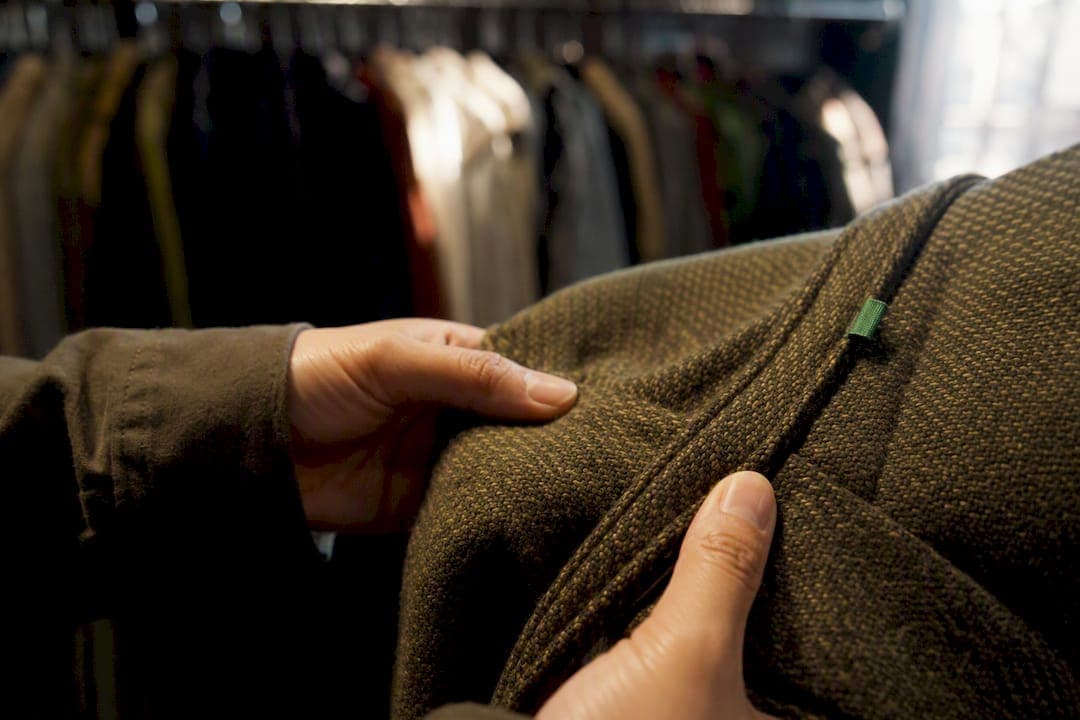
Yes, buying secondhand clothes is a smart way to build a wardrobe you'll actually wear, as long as you check measurements, scan condition photos closely, and plan to wash or sun-dry anything before it touches your skin. Skip those three steps and you risk a returns headache or a moth problem. Do them, and secondhand becomes the cheapest, most sustainable upgrade to your closet. The rest of this guide walks through where to shop, how to judge quality fast, and how to keep everything clean.
TL;DR:
- Verify garment measurements and inspect fabric condition photos carefully to avoid mismatches and hidden flaws before purchasing secondhand clothing.
- Choose local thrift stores for in-person inspection and immediate testing, or trusted apps for broader selection and rare finds, while checking seller ratings and reviews.
- Focus on fabric weight and structural details like stitching, zippers, and hems to assess quality and avoid garments with persistent odors, pilling, or missing buttons.
- Limit washing to high-temperature cleaning and sun-drying outside to disinfect and fade odors, while handling delicate fibers with professional cleaning when needed.
- Shop during seasonal and trend cycles to find better prices, and support community-oriented stores or local sellers to promote ethical and sustainable buying practices.
Table of Contents
- Quick Buying Checklist Before You Click "Buy"
- Where To Buy Secondhand Clothes: Apps, Thrift Stores, And Consignment
- How To Spot Quality And Condition In Photos Or In Person
- Sizing And Fit: How To Avoid A Return
- How To Clean And Disinfect Secondhand Clothes Safely
- Price And Discovery Tactics That Actually Save Money
- Sustainable Buying Habits That Don't Backfire
- Understanding Common Materials And Fabric Durability
- How To Authenticate Designer Secondhand Clothes
- Seasonal And Trend Timing For Vintage Finds
- Return Policies And Buyer Protections Online
- Tips For Maintaining Secondhand Clothes Longer
- Ethical Considerations In Secondhand Buying
- MarketplaceAnywhere's Take: Local Buying Beats Blind Shipping
- Try Marketplaceapp For Safer Local Secondhand Finds
- Sources
Quick Buying Checklist Before You Click "Buy"
Before you commit to any secondhand piece, run through a short mental list. It takes less time than reading a product description twice.
- Measure yourself first, then request or verify the seller's garment measurements against your own numbers.
- Zoom in on photos of collars, cuffs, underarms, and seams. These are where fabric fails first.
- Ask the seller a direct question if something looks off. A real seller answers fast; a vague one is a red flag.
- Once it arrives, wash on the hottest setting the fabric allows, or spot-treat stains before wearing.
- Air-dry in direct sunlight when you can. Sunlight helps fade odors and works as a mild natural sanitizer.
Pro Tip: Keep a simple note on your phone with your own chest, waist, hip, and inseam measurements. You'll use it constantly, and it turns every listing into a five-second yes or no.
Where To Buy Secondhand Clothes: Apps, Thrift Stores, And Consignment
Every channel trades convenience against inspectability. Local thrift stores let you touch the fabric, try it on, and walk away if the zipper sticks. Online marketplaces and reselling apps hand you far more selection, especially for rare sizes or discontinued items, but you're trusting someone else's description until the box arrives.
Consignment shops split the difference: staff usually pre-screen items for condition, though you'll pay more than a thrift-store price. Vintage boutiques go further, curating by era and often pricing for collectibility rather than pure utility.
A few rules help decide which channel fits the moment:
- Choose local pickup when you want to inspect before paying, or when you're buying something bulky like a coat.
- Choose shipped items when you're hunting a specific brand, size, or rare piece that your local stores don't carry.
- Use saved searches, price alerts, and seller-follow features on apps to surface new listings before other buyers see them.
- Check seller ratings and read recent reviews. A pattern of complaints about sizing or condition tells you more than any single photo.
Reportage on secondhand shopping habits consistently points to the same tradeoff: thrift stores win on inspection, apps win on breadth. Knowing which one you need for a given purchase saves a lot of wasted browsing.
How To Spot Quality And Condition In Photos Or In Person
Fabric weight tells you almost everything about how long a garment will last. Heavier cotton, wool, and linen hold their shape through repeated wear; thin synthetic blends pill and sag within a season. If a listing mentions the fabric content, that single line is worth more than five glamour shots.
Structural details matter just as much:
- Check stitching along seams for loose threads or puckering, which signal age or poor original construction.
- Look at linings on jackets and blazers. A torn lining is fixable but adds cost you should factor into your offer.
- Test zippers and buttons in photos when possible, or ask the seller to confirm they work.
- Inspect hems for fraying, which is common on pants that were once too long and got shortened at home.
Some flags mean walk away, no matter how good the price looks: a persistent smell that survived storage, pilling across the entire surface rather than just under the arms, a collar that's permanently stretched out of shape, or missing buttons on a piece where matching replacements don't exist. NBC Select's guide to buying used clothing notes that condition standards vary wildly across sellers on the same platform, so the burden of checking photos carefully falls on you.
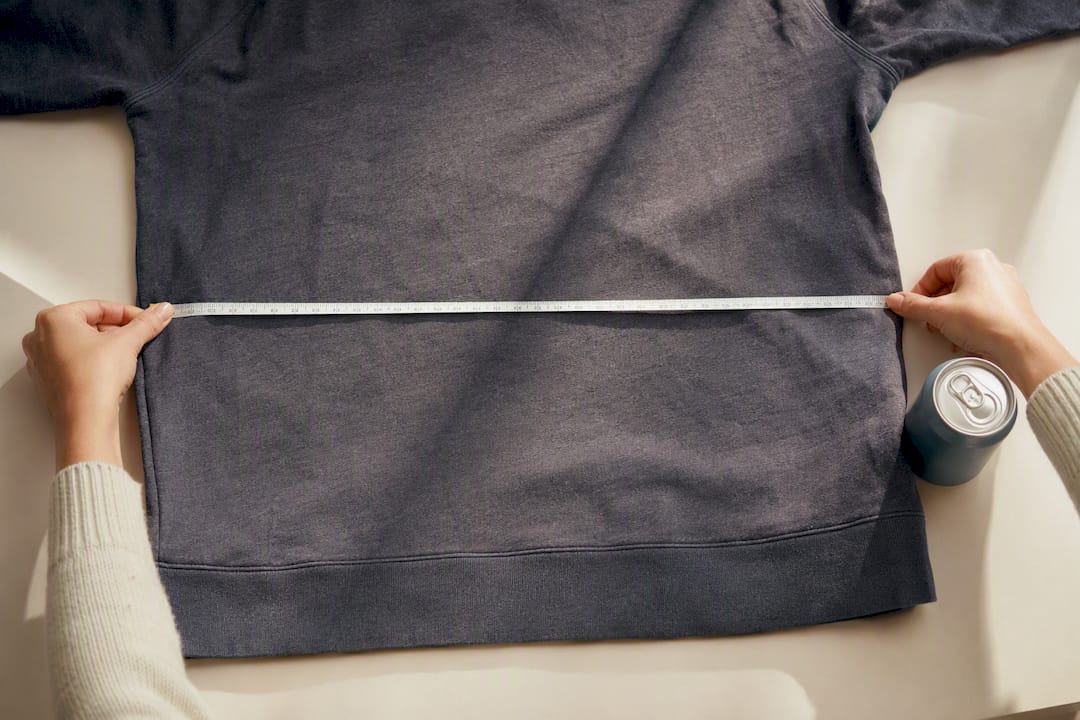
Pro Tip: Ask for a photo of the garment laid flat next to a tape measure or a common object like a soda can. It exposes shrinkage and stretching that staged mannequin shots hide.
Sizing And Fit: How To Avoid A Return
Sizing on secondhand clothes is inconsistent because manufacturers have changed their size charts over decades. A size 8 from 1995 fits differently than one from 2020. That's why matching your own body measurements to the garment's actual dimensions beats trusting the label every time.
- Measure your chest, waist, hips, and inseam, and keep those numbers saved somewhere you'll actually check them.
- Request flat-lay measurements from the seller, specifically pit-to-pit width and length, rather than relying on the listed size. A one-inch mismatch on the chest or waist is often the difference between a garment that works and one that gets returned, according to NBC Select's reporting on used-clothing purchases.
- Study how the item hangs on a model or mannequin. Loose drape around the waist suggests room to size down; a straining seam in a photo suggests sizing up.
- Accept minor tailoring, like hemming pants or taking in a waist, but pass on anything that needs the shoulders or chest resized. That kind of alteration usually costs more than the garment.
How To Clean And Disinfect Secondhand Clothes Safely
Every secondhand piece needs a wash before it enters your closet, even if it looks spotless. Start with the hottest water setting the fabric care label allows, then air-dry outside in direct sunlight when weather permits. Sun exposure helps break down lingering odors and offers a mild, low-effort sanitizing boost on top of the wash itself, according to cleaning guidance for thrifted clothing.
For stubborn smells, a few targeted tools work better than another wash cycle:
- Baking soda absorbs musty odors when sprinkled on dry fabric and left for a few hours before brushing off.
- Enzyme cleaners break down the bacteria behind biological odors like sweat, which plain detergent often just masks.
- A steam cycle or handheld steamer helps refresh wool coats and blazers you can't machine wash.
Delicate fibers need a gentler approach. Silk, cashmere, and structured wool should go to a professional cleaner rather than a washing machine, since aggressive home cleaning can damage the fibers permanently. Cost pressure is a real driver here: A significant number of consumers have increased their use of the secondhand market according to OfferUp's 2024 recommerce report, and a solid cleaning routine is what makes that habit sustainable long term instead of a one-time experiment.
Price And Discovery Tactics That Actually Save Money
Finding a fair price on secondhand clothing is less about haggling hard and more about knowing what similar items actually sell for. Pull up two or three comparable listings before deciding whether a price is reasonable, and factor in what you'll spend on cleaning or a small repair afterward.
- Set saved searches and price alerts so new listings hit your notifications before the crowd sees them.
- Follow sellers whose style matches yours. Following sellers trains the marketplace algorithm to surface more of what you actually want, cutting your browsing time.
- For local pickup, meet in a public place, inspect the item in hand, and confirm condition matches the listing before you pay.
- Check recent sold listings for the same brand and size, not just active ones, to see what buyers actually paid.
Pricing guides like this breakdown of how to price used items can also help you judge whether a seller's asking price reflects real condition grading or just optimism.
Sustainable Buying Habits That Don't Backfire
Buying secondhand only helps the planet when it replaces a new purchase you would have made otherwise. Buy something you'll wear twenty times and barely touch new retail, and secondhand shopping is doing real work. Buy five new-to-you tops a week because they're cheap and exciting, and you've just built a different flavor of overconsumption.
- Buy fewer pieces, but pick ones you'll actually wear repeatedly, not just ones that photograph well.
- Choose local pickup over shipped items when the option exists. It cuts packaging waste and shipping emissions.
- Repair small damage yourself, and store garments properly so they last years instead of one season.
Experts note that resale reduces environmental impact only when it's intentional, replacing new purchases rather than adding to a pile of barely worn clothes.
Understanding Common Materials And Fabric Durability
Not every fabric ages the same way, and knowing the basics saves you from buying something that looked fine in a photo but falls apart after two washes. Natural fibers generally outlast synthetics in secondhand form. Cotton and linen soften with age but keep their structure if the weave was tight to begin with. Wool is remarkably resilient. A wool coat from decades ago can easily outperform a new synthetic-blend jacket, provided moths haven't gotten to it.
Synthetic blends like polyester and rayon behave differently. Polyester resists wrinkles and holds color well, but it pills faster under friction, which shows up around underarms and where a bag strap rubs. Rayon drapes beautifully when new but weakens with repeated washing, so a rayon dress that's already a decade old deserves a gentler cleaning approach than a cotton one.
Denim is its own category. Good secondhand denim, especially older pieces made with heavier cotton weight, tends to be sturdier than a lot of current fast-fashion denim, which often cuts weight to save on material costs. Check the inseam and crotch area on jeans specifically, since that's where thinning shows up first regardless of brand.
Blended fabrics, like a cotton-polyester mix, split the difference on durability and care. They resist wrinkling like polyester but breathe better than pure synthetic. When a listing doesn't specify fabric content, feel free to ask. A seller who knows their inventory will usually know the material, and a vague answer is itself useful information about how carefully that item was cataloged.
How To Authenticate Designer Secondhand Clothes
Buying a designer piece secondhand means the burden of proof sits with you, not the platform. Start with stitching. Luxury brands use consistent, tight, even stitches. Crooked or uneven stitching, especially around logos, is one of the most reliable tells of a counterfeit.
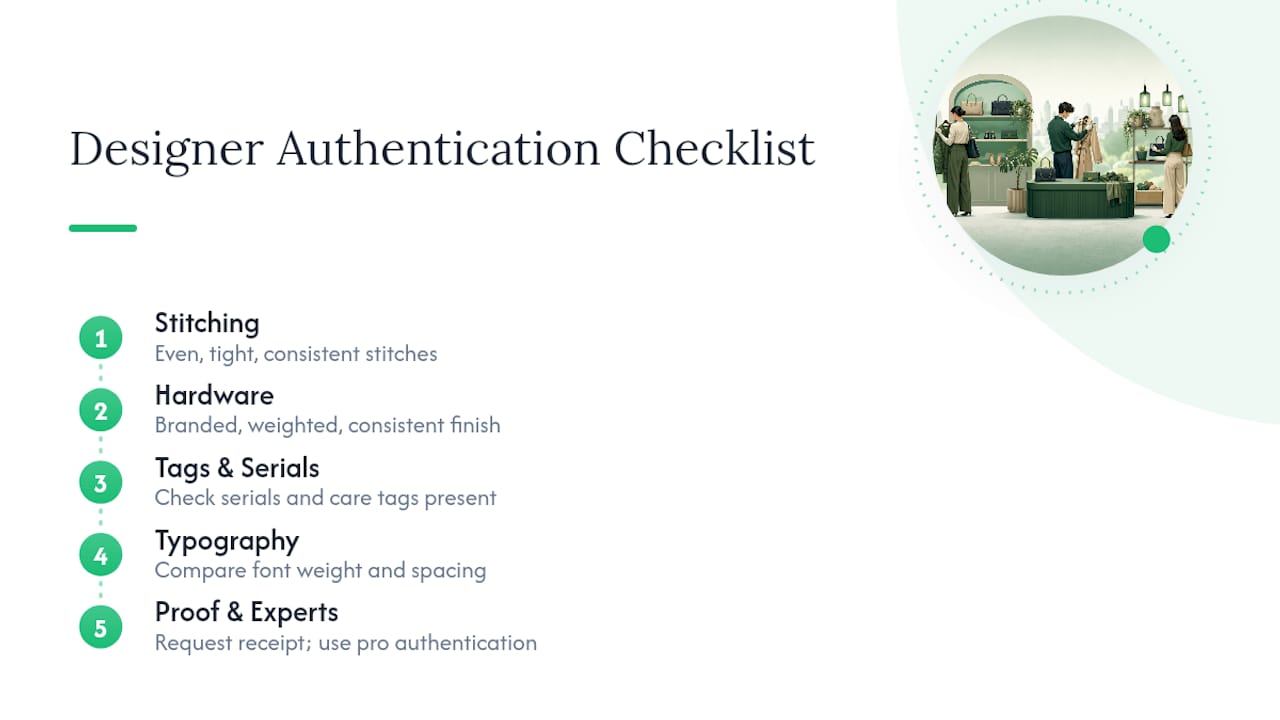
Check hardware next. Zippers, buttons, and clasps on authentic designer pieces are usually branded, weighted, and finish-consistent. A cheap-feeling zipper pull on a piece claiming to be from a major fashion house is a warning sign worth taking seriously.
Serial numbers, care tags, and font choices on printed labels matter too. Brands are precise about their typography, spacing, and tag placement, and counterfeiters routinely get the font weight or letter spacing slightly wrong. If you can find an official reference photo of the tag style for that era of the brand, compare it directly against the listing photos.
Ask sellers for proof of purchase or original packaging when the price suggests it's a real find. A legitimate seller of designer secondhand goods usually has no problem answering specific questions about where the item came from. If a seller gets vague or defensive when you ask about authenticity markers, treat that as a reason to pass rather than push forward. For genuinely high-value pieces, a professional authentication service is worth the fee. It costs far less than being stuck with a fake you can't resell or return.
Seasonal And Trend Timing For Vintage Finds
Secondhand pricing follows the same seasonal logic as new retail, just with a lag. Winter coats and heavy sweaters get cheaper in late spring, once thrift stores and sellers are trying to clear space for lighter inventory. The same pattern runs in reverse each fall, when swimwear and shorts drop in price as summer ends.
Trend cycles complicate this a bit. A style that was ignored for a decade can suddenly spike in demand, and secondhand sellers adjust prices accordingly. Vintage denim, band t-shirts, and certain 90s silhouettes have all seen price jumps in recent resale cycles as those looks came back into rotation. If you're chasing a specific era or trend, buying slightly ahead of peak demand, right as a style starts resurfacing, gets you better prices than waiting until it's everywhere.
Vintage buyers specifically should watch for reproduction pieces sold as original. A "vintage-style" tag is not the same as an actual decades-old garment, and sellers don't always make that distinction clear in a listing title. Read the full description, not just the headline, and ask directly about the manufacturing era if it isn't stated.
Return Policies And Buyer Protections Online
Return policies on secondhand marketplaces vary far more than on new-retail sites, so check the specific listing terms before you buy, not after the item arrives disappointing. Some platforms offer built-in buyer protection that covers items that arrive significantly different from their description. Others operate on an as-described, final-sale basis with no recourse at all.
Read the seller's individual return window and condition requirements, since marketplace-wide policies sometimes get overridden by seller-specific terms. Photograph the item immediately when it arrives, before you wash or wear it, so you have documentation if the condition doesn't match what was listed.
Payment method matters here too. Paying through a platform's secure checkout, rather than a separate payment app outside the marketplace, usually preserves your ability to dispute a transaction if something goes wrong. Going around the platform to save a few dollars on fees often means giving up any protection if the item turns out misrepresented.
For local, in-person pickups, the calculus shifts. You're inspecting before you pay, so much of the return-policy question becomes moot. Confirm condition on the spot, and don't hand over payment until you've actually checked the item against its description.
Tips For Maintaining Secondhand Clothes Longer
A garment's life doesn't end when you buy it; how you store and handle it afterward determines whether it lasts two years or twenty. Natural fiber pieces, wool sweaters especially, benefit from breathable storage like muslin garment bags rather than sealed plastic, which traps moisture and invites mildew.
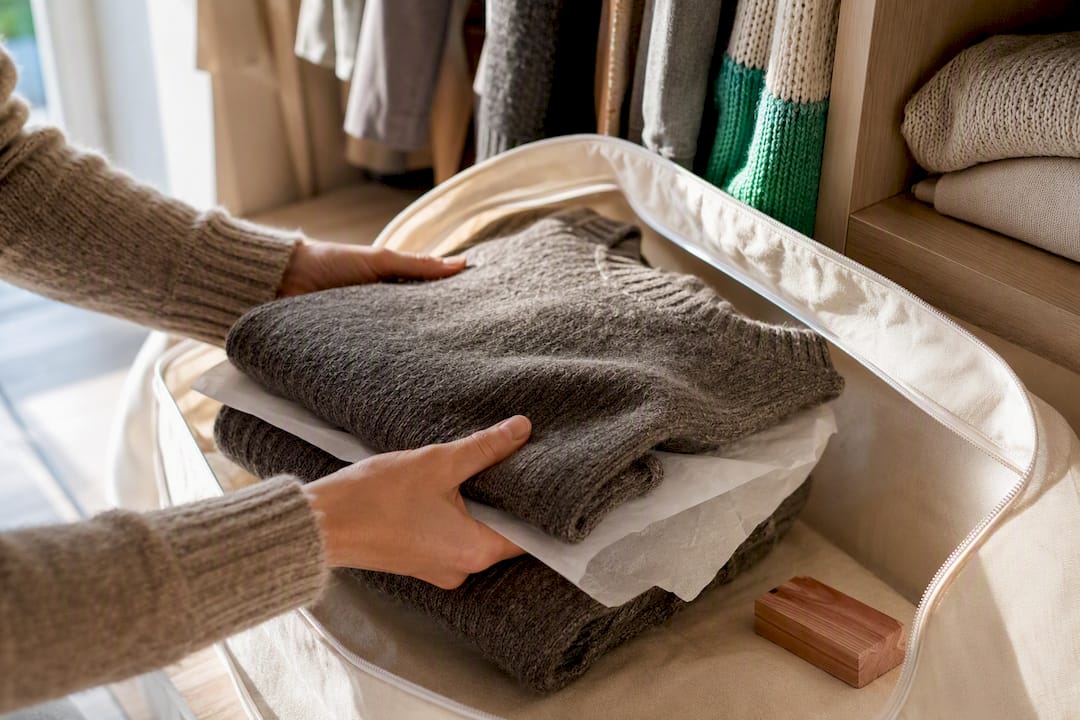
Cedar blocks or dried lavender sachets in your closet or storage bins help deter moths, which target natural fibers specifically and can destroy an otherwise perfect wool piece in a single season if left unchecked, per moth-prevention guidance for garment storage. Fold bulky knits with tissue paper between layers instead of hanging them, since hanging stretches the shoulders out of shape over time.
Resist the urge to wash every garment after every single wear. Repeated machine washing weakens fibers faster than actual use does, particularly on wool and rayon. Spot-clean small stains and air out lightly worn pieces between washes instead. For fabric-specific washing questions, especially on natural cotton pieces, guidance on caring for organic cotton covers water temperature and drying choices that keep the fabric from breaking down early.
Ethical Considerations In Secondhand Buying
Secondhand shopping connects to communities and labor markets in ways that go beyond a single purchase. Local thrift stores, many run by charities and nonprofits, use resale revenue to fund community programs, job training, and social services. Buying from these stores directly supports that funding model in a way that buying new retail simply doesn't.
The global secondhand supply chain has a more complicated side. A significant volume of donated clothing gets exported internationally, feeding into wholesale markets abroad. That trade supports employment in sorting, grading, and reselling, but it has also drawn criticism in some regions for undercutting local textile industries and creating waste when unsellable items pile up. Buying thoughtfully, rather than donating bags of low-quality fast fashion that ends up as someone else's disposal problem, matters more than most shoppers realize.
Consignment and resale platforms that pay sellers directly put money back into individual hands rather than routing everything through a charity intermediary or export pipeline. That's a meaningful difference if supporting your immediate local economy is part of why you shop secondhand in the first place. Buying local, whether from a neighborhood thrift shop or a nearby seller on an app, keeps more of that economic benefit close to home.
MarketplaceAnywhere's Take: Local Buying Beats Blind Shipping
Most secondhand advice online assumes you're shopping national platforms where you can't see, touch, or ask about an item before it ships. That's backwards for anyone who actually wants a good outcome. The safest secondhand purchase is the one you can inspect before you pay.
Some platforms offer features like seller ratings, in-app chat, and location-based filters. These can help you follow the checklist this guide walks through: verify measurements directly with a seller, ask about suspicious stitching before committing, and arrange pickup somewhere public. Secure payment processing helps protect purchases made sight-unseen.
Buying locally isn't a compromise on selection. It's the version of secondhand shopping that actually protects you.
— Marketplace
Try Marketplaceapp For Safer Local Secondhand Finds
Marketplaceapp gives you what blind online shipping can't: a real local seller you can message, verified ratings before you commit, and secure payment handling once you do. It's built for exactly the checklist this guide walks through, measurements confirmed, photos questioned, pickup arranged safely.
Three things to do right now: download the app and set a location filter for your area, save a search for the item you're hunting so alerts hit you first, and message a seller directly with a specific question about condition before you commit to buying. If you'd rather browse first, visit Marketplaceapp to see what's listed near you today.
Sources
- OfferUp's 2024 recommerce report
- How to clean and sanitize thrifted clothing — Jennifer Meyering
- How to shop secondhand clothing sustainably and look cool doing it — The Seattle Times
- Everything I’ve learned about secondhand shopping — The Guardian