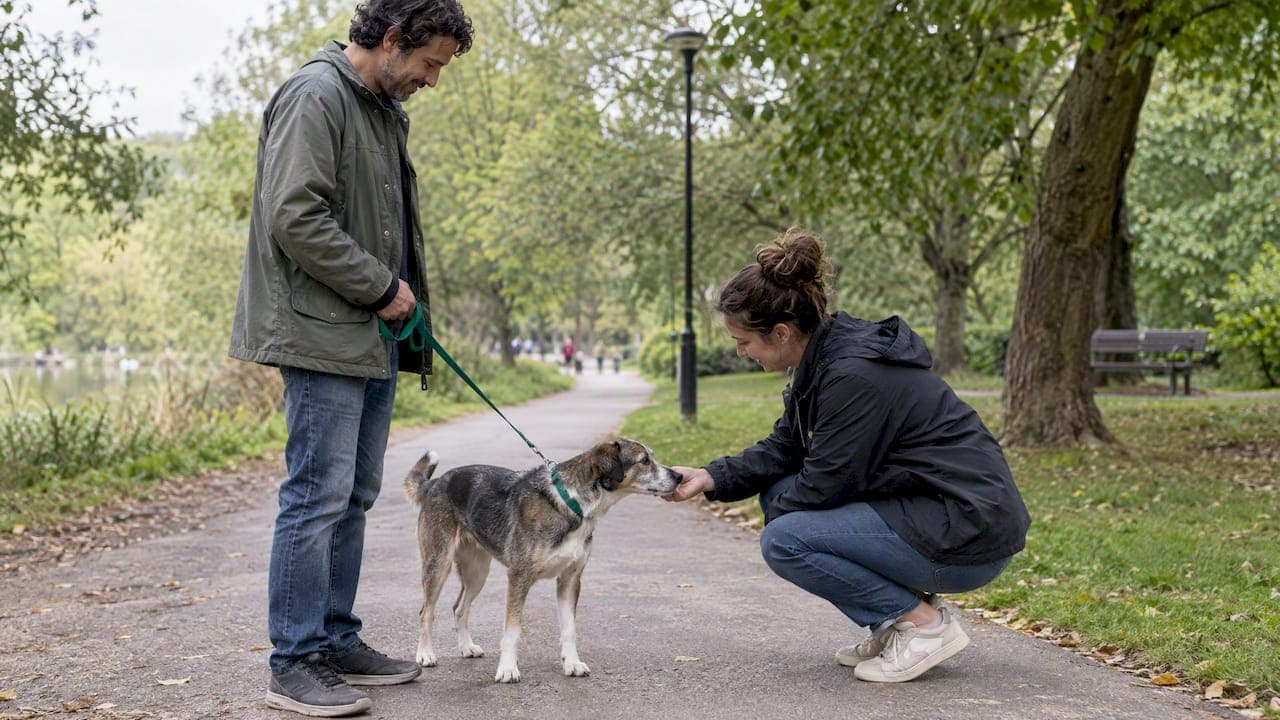
Rehoming a pet can be done responsibly when you treat it as a process, not a single decision. Start by exploring short-term supports that might keep your pet with you, then prepare honest records and a truthful listing, screen adopters carefully, finalize the move with written paperwork and a trial period, and follow up after placement.
TL;DR:
- Before listing, try training, veterinary payment plans, food assistance, or temporary fostering, then check breeder or rescue contracts and allow a few weeks before deciding.
- Prepare vaccination, microchip, spay or neuter, medication, and veterinary records, then write an honest profile and charge a modest rehoming fee to screen casual inquiries.
- Use a written application, veterinary and personal references, housing checks, and an interview; verify claims before meeting applicants in a neutral public place.
- Sign an agreement covering returns and known health or behavior issues, set a trial of about three weeks, update microchip records, and check in afterward.
Table of Contents
- How to decide whether rehoming is necessary
- What to gather and how to present your pet
- Where to list and how to screen adopters step by step
- How to handle the handover, trial period, and paperwork
- Practical follow-up and transition support after placement
- MarketplaceAnywhere: how the platform supports safe, local rehoming
- A short note on responsibility and compassion
- How MarketplaceAnywhere helps you rehome safely
- FAQ
- Sources
How to decide whether rehoming is necessary
Before you post a listing, it helps to ask whether the problem driving you toward rehoming is temporary or permanent. Many relinquishments come from short-term challenges that can actually be solved with the right support, according to the ASPCA's position on keeping pets and people together. A behavior issue, a financial squeeze, or a housing change often has a fix that does not require giving up your pet.
Consider these options first:
- Work with a trainer on behavior problems like separation anxiety or reactivity before assuming the pet cannot stay; our partner trainers walk through what owners should know about pre-departure anxiety specifically.
- Ask your vet or a local low-cost clinic about payment plans, since cost is a common and often solvable barrier to keeping a pet.
- Look into pet food banks or temporary assistance programs if you are facing a short-term financial gap.
- Arrange temporary fostering through a friend, family member, or local rescue if your situation (a move, a hospital stay) is likely to resolve in weeks or months rather than being permanent.
- Get an honest read on your pet's health and quality of life if age or illness is part of the picture; this quality-of-life guide from a veterinary partner can help frame that conversation.
If none of these options close the gap, rehoming may genuinely be the better choice for your pet's welfare, especially when your home can no longer meet its basic needs for attention, space, or care. Before you move forward, check any paperwork from the breeder or rescue you originally got your pet from. Responsible breeders and rescues commonly include return or lifetime-support clauses in their contracts, so you may be contractually obligated (and sometimes genuinely better served) by returning the animal to them instead of rehoming independently, according to the ASPCA's responsible breeding standards.
Give yourself a reasonable timeline, ideally a few weeks, to work through supports, check contracts, and think it over rather than rehoming on impulse after one hard day.
What to gather and how to present your pet
Once you have decided rehoming is the right path, the quality of your preparation shapes the quality of your match. Start by collecting the paperwork a responsible adopter will want to see:
- Vaccination records, including dates and the administering clinic.
- Microchip number and registration details.
- Spay or neuter confirmation, with the date if available.
- A list of current medications, dosages, and any ongoing medical conditions.
- Vet contact information so a prospective adopter can verify history directly.
With records in hand, turn to the listing itself. Photograph your pet in natural light, at eye level, doing something typical (sleeping on a favorite spot, playing with a toy) rather than posed stiffly against a wall. Write a bio that reads like you are describing a roommate to a friend: mention real quirks, favorite routines, what makes your pet easy or occasionally challenging, and what kind of household would suit them best. Experts caution against vague or overly polished listings because they attract mismatched or unserious inquiries, and full transparency about a pet's needs and history is central to ethical rehoming practice.
A modest rehoming fee is also worth including. Welfare organizations recommend a reasonable fee as part of a standard rehoming checklist because it screens out casual or careless inquiries and signals that an adopter is financially and emotionally prepared, per guidance from Best Friends on rehoming pets without shelters.
Pro Tip: List quirks honestly, even the inconvenient ones. An adopter who knows your dog barks at delivery trucks before move-in is far less likely to return him than one who finds out after.
Where to list and how to screen adopters step by step
Where you post matters as much as what you post. Avoid open "free to good home" listings on general classifieds or social media, since these channels are known to attract people looking to resell, breed, or mistreat animals rather than genuine adopters, a pattern flagged repeatedly in AKC guidance on responsible rehoming. Favor trusted rehoming platforms, local rescue networks, and vetted marketplace listings that let you control who sees the post and allow for back-and-forth screening before you ever share your address.
A modest rehoming fee and a signed trial-period clause measurably cut down on impulsive or malicious adopters, according to NASC guidance on safe pet rehoming, and give you a documented way to reverse the placement if it is not working.
Once inquiries start coming in, run every applicant through the same process so you are comparing like with like:
- Send a short written application asking about household size, work schedule, current pets, yard or outdoor access, and experience with the species or breed.
- Ask for a veterinary reference, even if the applicant has never owned this exact kind of pet, since any existing vet relationship tells you something about their habits.
- Request two personal references who can speak to reliability and living situation.
- Confirm renters have pet-friendly leases and homeowners do not have breed or size restrictions through their HOA or insurance.
- Schedule a phone or video interview to ask follow-up questions and gauge genuine interest versus a quick impulse decision.
Verify what applicants tell you rather than taking it at face value. Call the vet reference directly, confirm the personal references actually know the applicant, and ask to see a copy of a lease if renting is relevant. Best Friends recommends exactly this combination of interviews, a written questionnaire, and a rehoming fee as standard best practice for independent rehoming.
Messaging and meeting safety deserve their own rules. Keep early conversations inside a platform's messaging system rather than moving to personal phone numbers or email right away, and never share your home address until you have spoken with someone more than once and feel confident in their intentions. Our guide to local marketplace etiquette covers safe communication habits that apply directly here, and our rundown of common local selling scams is worth a read before you agree to meet anyone in person, since many of the same red flags apply to pet handoffs as to item sales.
When you are ready for a first in-person meeting, choose a neutral public location such as a pet supply store parking lot or a quiet park rather than either party's home. Meeting somewhere neutral protects your safety and lets you observe how the applicant interacts with your pet outside the pet's own territory, a practice recommended in the Animal Foundation's rehoming guide.

How to handle the handover, trial period, and paperwork
The handover itself should be treated as a formal transfer, not a casual exchange. Put the terms in writing before the pet changes hands, using a signed transfer of ownership agreement that both parties keep a copy of, a practice recommended in rehoming playbooks published for shelters and independent owners, including the KCPP rehoming playbook.
Your agreement should spell out:
- The length of the trial period and what happens if it does not work out.
- A clear return policy, including whether any rehoming fee is refundable.
- Full disclosure of known health conditions, medications, and behavioral history.
- Updated contact information for both parties in case questions come up later.
A trial period of around three weeks gives both the pet and the adopter time to settle in and provides a safety net if the match turns out to be wrong, based on local adoption policy guidance from Contra Costa County animal services.
At the same time you sign paperwork, update the microchip registration to the new owner's information and send along copies of vaccination and veterinary records so the adopter's vet has full history from day one.
| Item to finalize | Why it matters |
|---|---|
| Signed transfer of ownership | Documents the legal handoff and protects both parties |
| Updated microchip registration | Ensures the pet is traceable to its current owner |
| Copy of vet records | Gives the adopter's vet full medical history immediately |
| Trial period terms | Creates a defined window to confirm the placement works |
Hold the actual handover in a public, neutral spot if possible, and bring your pet's familiar belongings: food, bedding, a favorite toy, and a written-out daily routine covering feeding times, walk schedule, and any quirks around handling or crating. Keep your own copy of every signed document and a record of the adopter's contact information in case you need to follow up.
Practical follow-up and transition support after placement
Sending a pet off with familiar items reduces stress during the transition. Pack enough of your pet's current food to last through a gradual switch, along with a worn blanket or bed, a favorite toy, and a written sheet covering feeding amounts, walk routines, and any commands or cues the pet already knows.
Plan a few light check-ins rather than disappearing or hovering:
- Text or call within the first few days to ask how settling in is going.
- Follow up again around the one-week and one-month marks to see how the trial period is progressing.
- Offer to answer questions about routines or medical history rather than asking to visit, which can unsettle a pet still adjusting.
- Confirm before the trial period ends whether the adopter wants to move forward or needs to invoke the return agreement.
If an adopter tells you they cannot manage the pet's needs, treat the written trial agreement as your guide rather than letting the situation drift. Arrange a prompt, calm pickup and have a backup plan (another applicant, a foster, or a rescue contact) ready so the pet is not left in limbo.
MarketplaceAnywhere: how the platform supports safe, local rehoming
Rehoming independently works best when the tools you use are built for screening and local, face-to-face transactions rather than wide-open posting.
- Seller and poster ratings to help adopters assess listings before reaching out.
- In-app messaging to enable communication without sharing personal contact details prematurely.
- Location-based search to help prioritize local adopters for easier in-person meetings and follow-ups.
- An article library offering guides on safe local transactions useful for pet rehoming.
Pro Tip: Keeping messages within the platform's chat can provide a dated record useful if disputes arise.
Our guide on avoiding shelter surrender covers this screening and handover process in more depth if you want further guidance before posting.
A short note on responsibility and compassion
Deciding to rehome a pet is rarely easy, and feeling torn about it does not mean you are making the wrong call. What matters most is that you worked through real alternatives first and that your pet's welfare, not convenience, drove the final decision.
If you take nothing else from this guide, take the checklist: explore support, prepare honest records, screen carefully, and put the transfer in writing. That order protects the animal you have cared for, however this chapter ends.
— Marketplace
How MarketplaceAnywhere helps you rehome safely
Once you have decided rehoming is the right path, where you post the listing shapes everything that follows. MarketplaceAnywhere gives you verified ratings, secure messaging, and location-based search so you can screen applicants and arrange safe, local meetups without ever posting an open "free to good home" ad.

To get started:
- List your pet with honest photos, a full bio, and a modest rehoming fee to filter for serious adopters.
- Keep screening conversations inside secure messaging until you are ready to meet in person.
- Use location-based search results to find nearby adopters, which makes a neutral-spot meeting and any follow-up check-ins far simpler to coordinate.
Head to MarketplaceAnywhere to create your listing and start connecting with adopters near you.
FAQ
What is the 3-3-3 rule for rehoming dogs?
The 3-3-3 rule is a general guideline suggesting a newly placed dog may feel overwhelmed for about the first 3 days, start settling into a routine by 3 weeks, and feel fully at home by around 3 months. It is a rough framework rather than a guarantee, and some pets adjust faster or slower depending on temperament and past experience.
Can you change your mind after surrendering a dog?
It depends entirely on the written agreement you signed at the time of transfer. A trial period with a clear return clause, built into your transfer of ownership agreement, is the way to preserve that option, which is why rehoming playbooks recommend putting these terms in writing before the handoff.
How to ethically rehome a dog?
Ethical rehoming means full transparency about your dog's health, behavior, and history, paired with careful adopter screening rather than an open "free to good home" post. The AKC's guidance on responsible rehoming recommends using trusted rehoming platforms, disclosing everything upfront, and putting the transfer in writing.
Is there any guilt associated with surrendering a pet?
Many owners feel guilt or grief when rehoming a pet, even when it is the right decision for the animal's welfare. Working through realistic alternatives first and documenting a careful, transparent process can help ease that guilt, since it confirms the decision was made thoughtfully rather than in haste.
Sources
- Position Statement on Keeping Pets and People Together | ASPCA
- Rehoming a Dog Responsibly: What to Know – American Kennel Club
- How you can help: rehome pets without going through shelters | Best Friends
- KCPP rehoming playbook