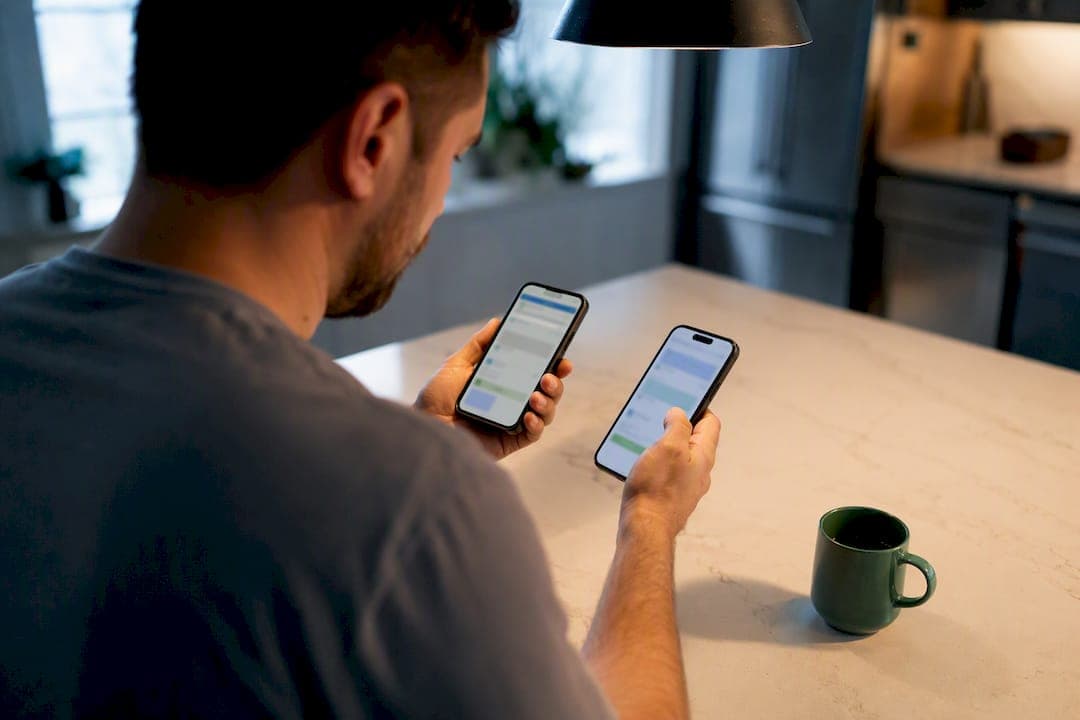
The most dangerous local selling scams all follow the same script: a buyer pays with something that looks real but isn't, then pressures you to hand over the item before your bank confirms the money actually cleared. That covers fake payment receipts, overpayment refunds, counterfeit cashier's checks, and gift card requests. The one rule that stops nearly all of them: never release an item until you've personally verified cleared funds in your own bank account or through your platform's payment system, and never move the conversation off the app to do it.
TL;DR:
- Never release an item until you verify that funds have fully settled in your bank account or through a trusted platform's payment system.
- Watch for urgency, requests to leave the app, and unusual payment methods like gift cards or crypto, which are clear scam indicators.
- Confirm deposits directly through your banking app and call your bank if a payment or check looks suspicious before proceeding.
- Meet buyers in public, well-lit locations during daylight hours, and avoid inviting strangers into your home or sharing personal details prematurely.
- Report any scam attempts immediately and use platform features like in-app messaging and verified ratings to reduce overall risk.
Table of Contents
- Common Local Selling Scams and How They Play Out
- The Social Engineering Tricks Behind Every Scam
- Safe Payment Methods and How to Verify Funds
- Meeting Buyers Safely for Bulky or High-Value Items
- What to Do If You Think You've Been Scammed
- Where Marketplaceapp's Platform Tools Cut the Risk
- Marketplaceapp's Take: Safety Habits Beat Scam Panic
- List Your Next Item With Built-In Payment Protections
- Official Resources to Check and Report Scams
- Sources
- FAQ
Common Local Selling Scams and How They Play Out
Most local selling scams follow a handful of predictable patterns, and once you've seen them once, they're easy to spot the second time.
- Fake payment notifications. The buyer sends a screenshot or email that looks like a Zelle or Cash App confirmation, but no money has actually moved.
- Overpayment and refund scams. A buyer "accidentally" sends more than the asking price and asks you to refund the difference, usually before the original payment even clears.
- Counterfeit cashier's checks. These can pass a bank teller's initial glance, and the FDIC warns that even trained staff can miss a well-made fake.
- Gift card requests. No legitimate buyer ever needs to pay you in gift cards. The FTC is blunt about this: if someone asks for iTunes, Google Play, or Visa gift card codes, it's a scam, full stop.
- Phishing links and cloned payment pages. A buyer sends a link to "confirm" a payment that actually harvests your bank login.
The thread connecting all five: the scammer wants you to act on their timeline, using their "proof," instead of checking your own bank app.
The Social Engineering Tricks Behind Every Scam
Scammers rarely rely on technical sophistication. They rely on rushing you. A buyer who suddenly needs the item "today" or claims they're moving in an hour is trying to short-circuit the part of your brain that would otherwise double check the payment.
Watch for requests to leave the marketplace's chat for text or email, unusual payment preferences like crypto or multiple PayIDs, and offers that come in seconds with zero questions about the item's condition. Real buyers ask questions. Bots and scammers usually don't, because they never intended to actually buy anything.
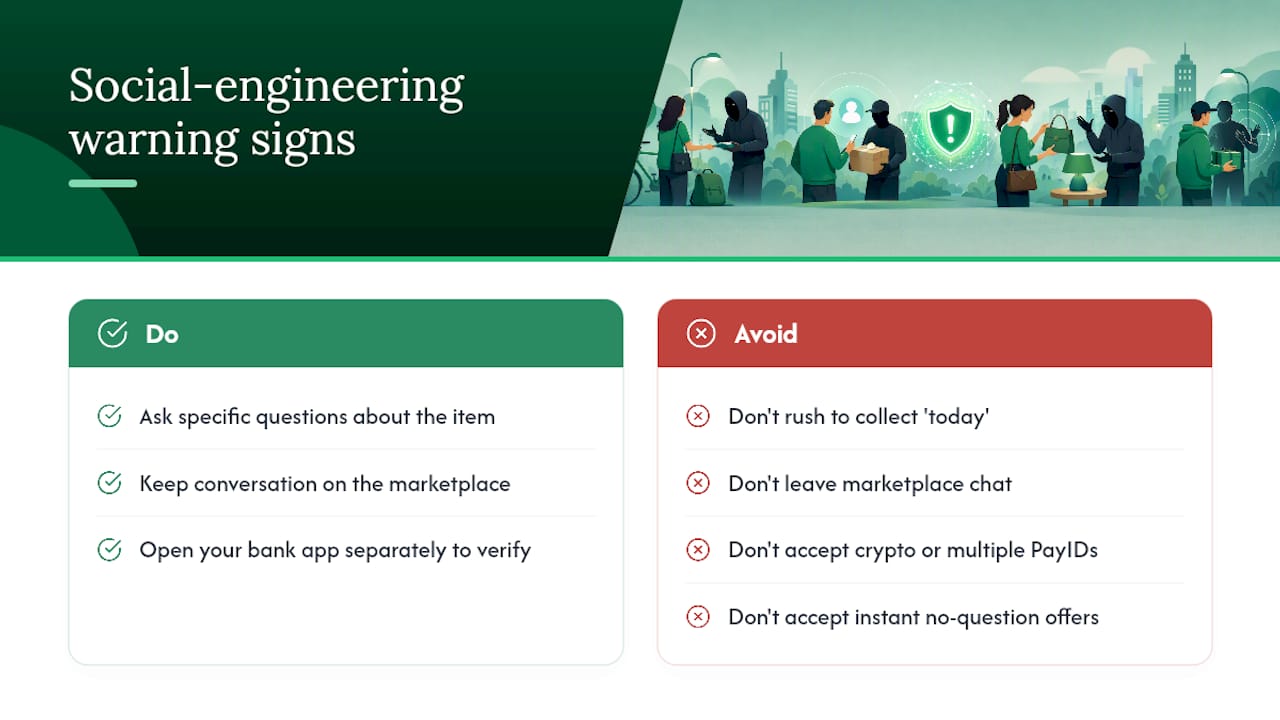
Screenshots are the biggest trap. A "proof of payment" image proves nothing about your actual bank balance.
Pro Tip: If a buyer sends a screenshot of a payment, close that message and open your banking app separately. Never tap a link inside their message to "check" anything.
Safe Payment Methods and How to Verify Funds
Cash in person is still the safest option for local sales, followed by escrow or in-app payments built specifically for goods and services. Checks and gift cards should be off the table entirely.
Before you hand over any item paid for electronically, run through this:
- Open your own banking app directly, never a link the buyer sent, and confirm the deposit shows as settled, not just pending.
- Call your bank's fraud line if a check or transfer looks even slightly unusual.
- Confirm the payer's name on the transaction matches the person standing in front of you.
- If using a P2P app, choose the "goods and services" option rather than "friends and family," since the latter usually strips out buyer and seller protections.
- Check any payment confirmation page for a mismatched URL or a company name that doesn't match your service.
Banks often make deposited check funds available within about two days, but confirming that a check is genuine can take weeks. That gap is exactly where counterfeit-check scams thrive, because the money "shows up" long before the bank finishes verifying it. Marketplaceapp's guide on avoiding fake cash and payment fraud walks through more physical and digital red flags worth knowing before your next sale.
Meeting Buyers Safely for Bulky or High-Value Items
Public, well-lit spots beat your driveway every time. Police station parking lots and busy shopping center entrances work well because they're monitored and rarely empty.
- Schedule meetups during daylight hours whenever the item allows it.
- Bring a friend along, especially for higher-value electronics or vehicles.
- Keep the inspection window short and stay within arm's reach of the item the whole time.
- For furniture or appliances too large to move, show the item in your garage or front yard rather than inviting a stranger inside your home.
- Skip sharing your full schedule or address details until the meetup is confirmed and feels right.
Marketplaceapp's local marketplace etiquette guide covers more of these ground rules if you're new to in-person sales.
What to Do If You Think You've Been Scammed
Speed matters more than almost anything else here.
- If a check bounces after you've already released the item, contact your bank immediately. Expect an investigation, and know that you may be on the hook for repaying funds your bank already made available to you.
- If you handed over gift card codes, call the card issuer and the store where the cards were purchased the same day. Some issuers can freeze remaining balances if you report fast enough, though recovery isn't guaranteed.
- File a report at ReportFraud.ftc.gov, your local police department, and your state attorney general's office.
- Save every chat log, screenshot, and receipt before you do anything else.
Counterfeit-check reversals commonly take weeks to resolve, so don't expect an overnight refund. Acting within hours, not days, is what actually moves the needle on recovery.
Where Marketplaceapp's Platform Tools Cut the Risk
Keeping every message inside one app isn't just convenient. It creates a paper trail that platform support and law enforcement can actually use if something goes wrong.
- Platform-only messaging keeps your evidence in one place instead of scattered across texts and email.
- Verified seller and buyer ratings give you a signal before you ever agree to meet.
- In-app payment flows and receipts reduce how often you'll need to touch a check or gift card at all.
- Turning on verification badges and reviewing Marketplaceapp's safety checklist before finalizing a sale catches problems before they become losses.
Marketplaceapp's Take: Safety Habits Beat Scam Panic
Fear doesn't stop scams. Habits do. Sellers who verify funds in their own bank app, keep chats on the platform, and meet buyers in daylight avoid the overwhelming majority of scam attempts, not because they got lucky, but because they made the scammer's job harder at every single step. Report what you see, use the safety tools your platform gives you, and you're protecting more than just your own sale.
— Marketplace
List Your Next Item With Built-In Payment Protections
The platform gives sellers something a text thread or classifieds site never can: verified buyer ratings, in-app messaging that keeps a full record of every conversation, and payment flows built to avoid the gift card and check scams covered above.
That combination means fewer surprises and fewer trips to your bank asking why a check bounced two weeks after you already handed over the couch. If escrow-style protection interests you further, DropSkin's explainer on how item escrow works breaks down the mechanics in more depth. Ready to sell something without wondering if the buyer's "payment confirmation" is real? List your item on Marketplaceapp and keep the whole transaction, chat, payment, and rating, in one trusted place.
Official Resources to Check and Report Scams
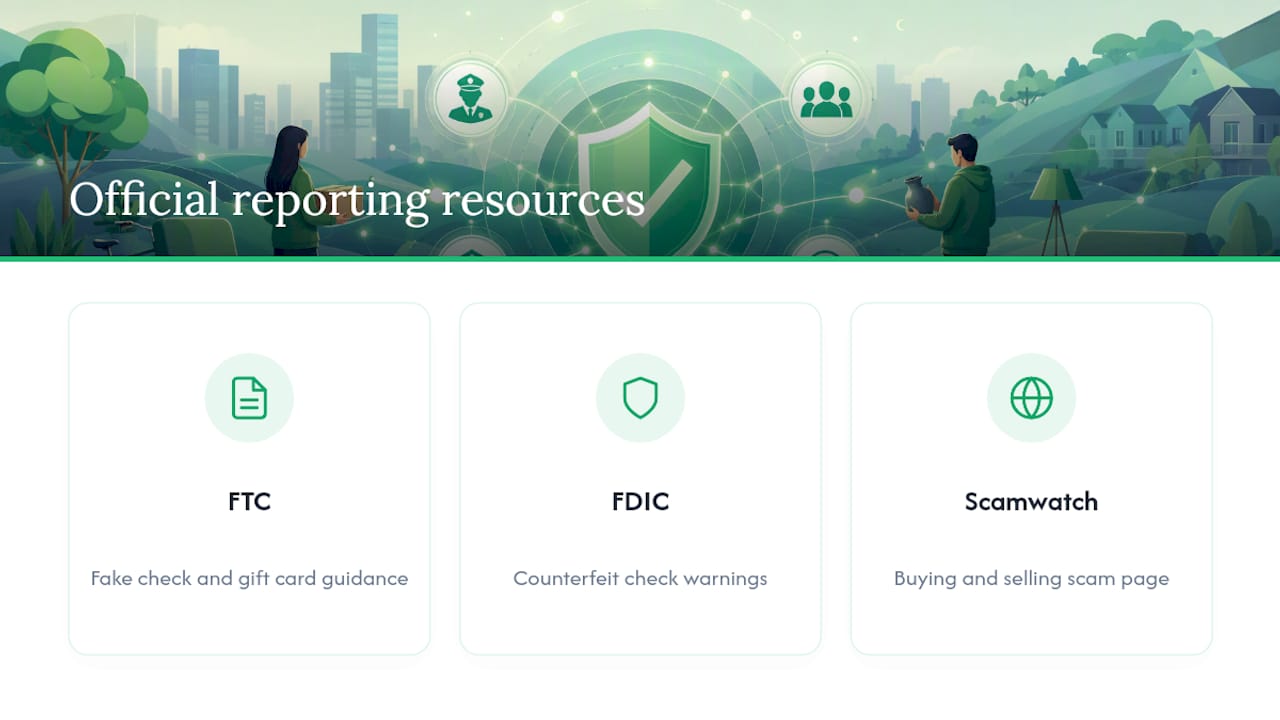
For direct reporting and verification, use the FTC's fake check and gift card guidance, the FDIC's counterfeit check warnings, and Scamwatch's buying and selling scam page.
Sources
FAQ
What are the most common local selling scams right now?
Fake payment screenshots, overpayment and refund requests, counterfeit cashier's checks, and gift card payment demands remain the most reported scams, according to the FTC. Phishing links disguised as payment confirmations are also on the rise.
How can I tell if a buyer is trying to scam me?
Watch for urgency, no questions about the item's condition, requests to move off-platform, and unusual payment methods like gift cards or crypto, all patterns flagged by Scamwatch. A legitimate buyer rarely objects to meeting in a public place or paying through an in-app system.
Why am I getting texts offering to buy my house or car out of the blue?
Unsolicited "cash offer" texts for homes or vehicles are typically mass-blasted by investors or scammers scraping public records, not genuine local buyers who found your specific listing. Treat any unsolicited offer with the same skepticism as an unsolicited payment screenshot, and verify the sender's identity before sharing any details.
What should I do if I already accepted a fake check or gift card?
Contact your bank immediately for a bounced check, and call the gift card issuer the same day for gift card fraud, since quick reporting sometimes allows a freeze on remaining balances. File a report at ReportFraud.ftc.gov and with your local police as soon as possible.
Does using a platform like Marketplaceapp actually reduce scam risk?
Yes. Keeping communication inside one app creates a documented trail, and verified ratings plus in-app payment options cut down on the untrusted payment methods scammers rely on most.