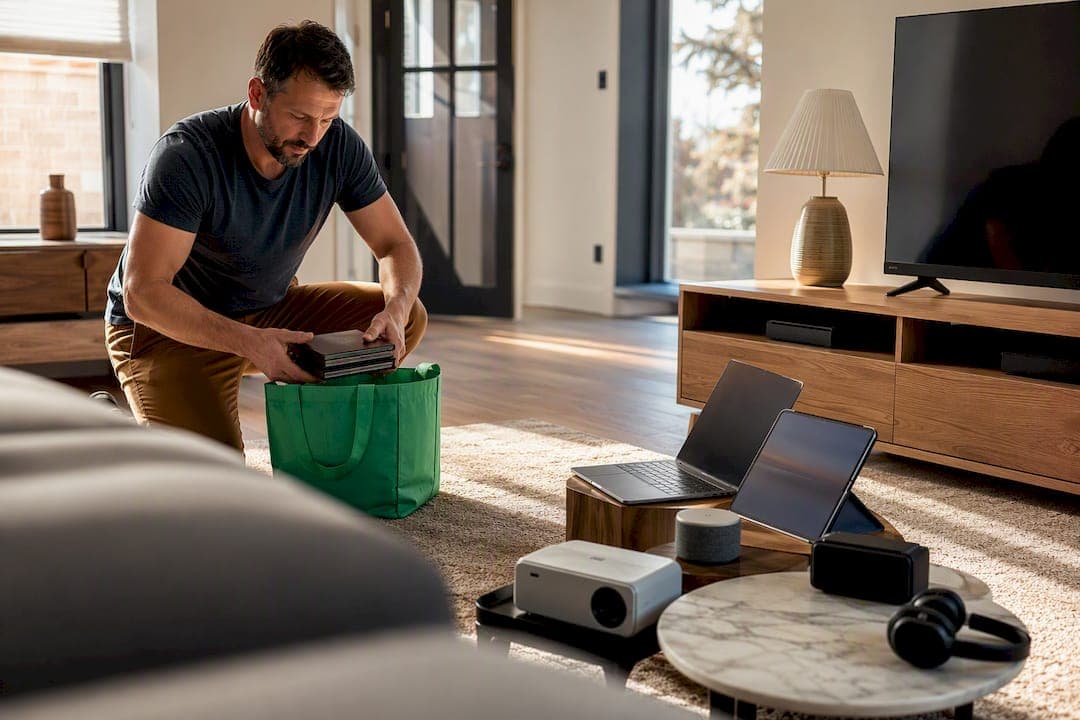
Yes, decluttering for cash works, and most homes can pull it off in a single weekend. Prioritize furniture, electronics, fitness gear, and name-brand clothing first since they sell the fastest and pay the most. Pick one room right now, sort into sell, donate, and trash piles, then list your sell pile's highest-value item today by following organize your home for back to school tips for a smooth transition to make the process easier.
TL;DR:
- Selling furniture, electronics, and fitness gear can generate between $200 and $800 in a single weekend, especially if priced 10 to 15% below recent sold listings.
- List large items locally for pickup to avoid shipping costs and damage, while shipping small, high-value items expands your buyer reach.
- Items worth less than $10 are better bundled or donated, as the time investment often exceeds their resale value.
- Respond to buyer inquiries quickly, offer bundle deals instead of discounts, and never release items before confirmed payment to ensure safety.
Table of Contents
- What Sells Fast in Decluttering for Cash
- Where to List: Local Pickup or Ship It
- How Do You Price Items to Sell Fast?
- Should You Sell or Skip Bulky Furniture?
- When Should You Sell, Donate, or Just Trash It?
- Your Weekend Plan for Decluttering for Cash
- Staying Safe: Payments and Pickups
- Why Local Listing Features Actually Matter
- Ready to List Your First Item?
- Sources
- FAQ
What Sells Fast in Decluttering for Cash
Not every item in your house is worth the same effort. Some categories move within hours; others sit for weeks no matter how good your photos are. Furniture, fitness gear, and electronics consistently pull the biggest returns, and a focused weekend of selling these categories can clear $200 to $800 for most households.
Here's how to prioritize:
- Furniture: Dressers, couches, and desks in solid condition often sell within days, especially mid-range pieces from recognizable brands.
- Fitness gear: Treadmills, weight sets, and bikes hold value well because buying new is expensive.
- Small electronics: Game consoles, tablets, and cameras sell quickly if they power on and include cords.
- Tools: Power tools and yard equipment attract fast, motivated buyers, particularly in spring and fall.
- Name-brand clothing: Only worth listing individually if the brand is recognizable and the item is in near-new shape.
- Baby gear: Cribs, strollers, and car seats move fast, but check recall status before listing.
For anything worth less than $10 alone, like mismatched kitchenware or basic toys, bundle it into a lot. A "kids' toy bundle" sells better than five separate $2 listings ever will.
Where to List: Local Pickup or Ship It
The right channel depends on the item's size and value, not personal preference. Bulky or heavy items belong on local marketplaces where buyers pick up in person and you skip packaging entirely. Smaller, higher-margin items, like collectibles, electronics, or designer clothing, often do better on shipping-enabled apps where you can reach buyers outside your zip code.
A few rules of thumb:
- List furniture, tools, and large fitness equipment locally to avoid shipping costs and damage risk.
- Ship small electronics, jewelry, and designer items to widen your buyer pool.
- Pick one primary platform per item type instead of cross-posting everything everywhere; managing five conversations about one couch wastes more time than it saves.
- For furniture too big to move yourself, look into selling furniture locally with a service that coordinates pickup for you.
Shipping apps take a cut and add delivery time. Local sales close faster but limit your buyer pool to your area.
How Do You Price Items to Sell Fast?
Check sold listings, not active ones. Active listings show wishful thinking; sold listings show what buyers actually paid. Price your item 10 to 15% below the median sold price and you'll typically sell within a week instead of watching it sit for a month.
Your listing needs three things to convert:
- A clear title with brand, color, and size, not "nice couch, must go."
- Photos in natural light: one wide shot, two close-ups of any wear, and something for size reference like a ruler or your foot next to the item.
- An honest condition note. Mentioning the small scratch upfront beats a buyer finding it at pickup and walking away.
Check listing description tips if you're unsure how much detail to include. Set a firm sell-by date, seven to ten days out, and stick to it. Unsold items after that go straight to donation, no relisting loop.
Pro Tip: If a buyer asks for a lower price, offer a bundle deal instead of a discount. "Take the lamp too for $5 more" often closes faster than "I'll do $5 less."
Should You Sell or Skip Bulky Furniture?
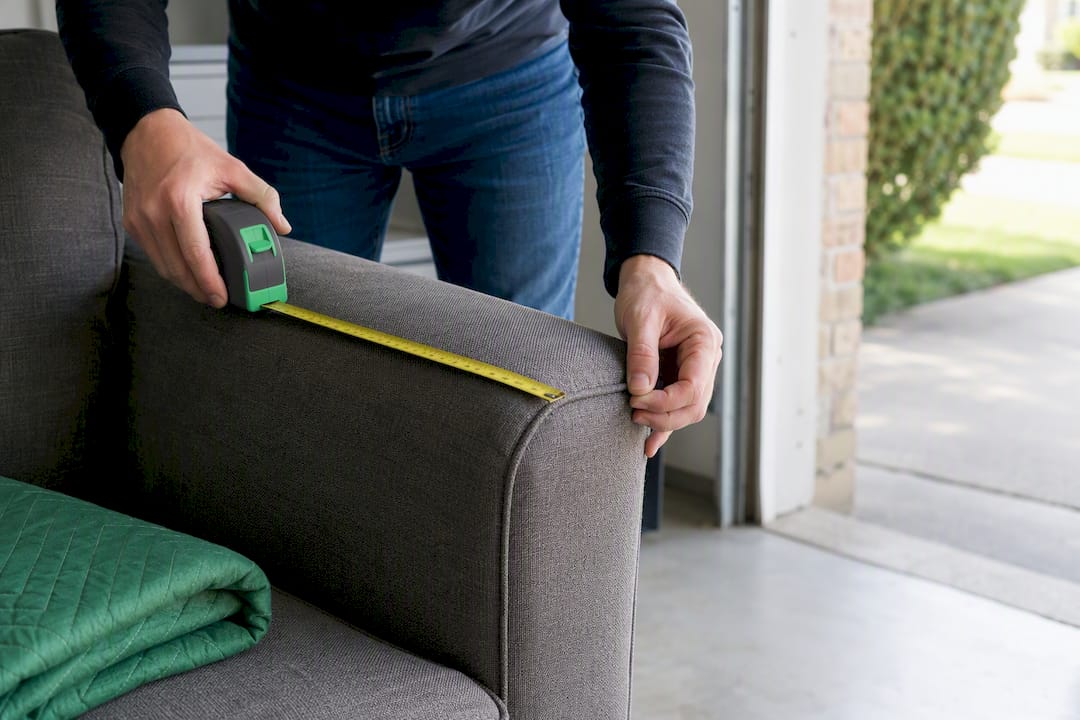
A $150 couch sounds great until you factor in renting a truck, finding help to lift it, and burning half your Saturday. Sometimes a pickup or resale service preserves more of your actual profit than a DIY haul ever would, especially for items where the payout barely covers gas and labor.
Before deciding, measure the item, clean it, and photograph it next to something for scale. Note any damage honestly. If you sell it yourself, ask the buyer to bring help for loading and confirm they have a vehicle that fits it. Never agree to load a couch into a compact sedan.
When Should You Sell, Donate, or Just Trash It?
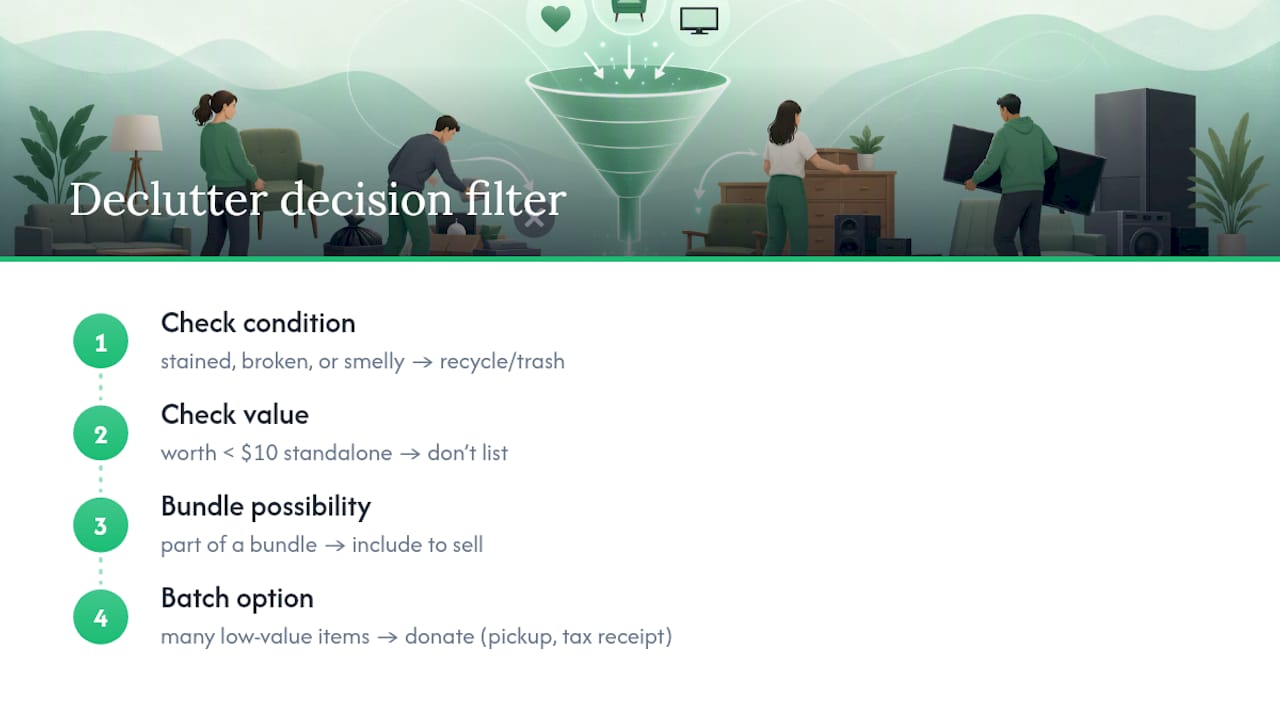
Time has value, and treating every item like it deserves a listing is how decluttering projects stall out. Set a cutoff: if an item is worth less than $10 on its own, don't list it unless it's part of a bundle. Professional organizers point out that the time and hassle of selling low-value items often costs more than the payout.
Here's a simple filter: if you wouldn't hand it to a friend, it's not fit to donate either. Stained, broken, or smelly items go to recycling or trash, not a donation bin. And when you're facing a big batch of low-value stuff, like a garage full of old paperbacks or chipped mugs, donating the whole lot is usually smarter than sorting it item by item. Some donation centers even offer pickup and a tax receipt for larger donations.
Your Weekend Plan for Decluttering for Cash
You don't need weeks. A structured two-day plan gets items sorted, listed, and moving toward sale.
Day 1 (morning):
- Go room by room, sorting items into sell, donate, and trash piles.
- Tag every "sell" item with a rough price based on quick research.
- Set aside anything requiring cleaning or minor repair before photos.
Day 1 (afternoon):
- Photograph items in natural light using the wide shot, close up, and scale reference approach.
- Batch-list everything using a consistent title format: brand, item, condition, size.
Day 2:
- Respond to buyer messages and confirm pickup times.
- Schedule any haul-off service for bulky leftovers.
- Donate anything unsold once your sell-by date hits.
This structure matches how organizers recommend tackling projects room by room: small zones, short sessions, decisions made once.
Staying Safe: Payments and Pickups
Most problems in local selling come from skipping basic precautions, not from bad luck. Stick to instant payment apps or cash handed over in person, and never release an item before payment clears, no exceptions for "trusted" buyers you've never met.
- Meet in public spaces for small items; for in-home pickups, have someone else present or require the buyer to load the item themselves.
- Hold a reservation for 24 hours max. If the buyer doesn't show, move on to the next message.
- For high-value items, ask for a small deposit to confirm intent before blocking off pickup time.
- Trust your gut. If a message feels off, an oddly urgent request, a story about a "family member" picking up instead, decline it.
Pro Tip: Text yourself the buyer's name and pickup time before they arrive. If anything goes wrong, you've got a timestamped record.
Why Local Listing Features Actually Matter
Selling clutter shouldn't require juggling five apps and a spreadsheet. The platform's features like verified seller ratings, instant chat, and location-based search are designed to help coordinate pickups efficiently, addressing a common challenge for sellers.
Small things add up: notifications when offers come in, category filters that target buyers searching for your item, and secure payment options that provide confidence during transactions. Try listing one high-ROI item first and let the messaging tools handle the back-and-forth.
Ready to List Your First Item?
This platform is built for exactly the scenario this article just walked through: sorting your highest-ROI items, pricing them to move, and getting paid without the friction of shipping labels or truck rentals. Creating a listing takes minutes, instant chat lets you schedule pickup directly with a buyer, and secure payment options help avoid waiting on a check to clear before handing anything over.
Whether you're clearing out a garage full of tools or a closet of barely-worn clothes, the categories covered above, furniture, electronics, fitness gear, and name-brand clothing all list well through Marketplaceapp. Pick the one item from your sell pile most likely to move fast, list it today, and put the cash toward whatever you're saving for. One listing is often enough to prove the process works before you tackle the rest of the house.
Sources
For deeper detail on trade-offs between selling and donating, see Forbes on donate versus sell decisions, The Spruce's room-by-room checklist, and CNBC's guidance on what to sell, donate, or trash.
- Should You Donate Or Sell Your Clutter? — Forbes
- Turn Clutter Into Cash: 2026 Step-by-Step Guide — Sharetown
- Declutter to Make Money: Sell Your Stuff for $500+ — SpendWiseCents
- How to declutter room-by-room — The Spruce
FAQ
How can I declutter and earn money?
Sort items by room into sell, donate, and trash piles, then prioritize high-ROI categories like furniture, electronics, and fitness gear for listing first. Most households can clear $200 to $800 in a focused weekend by pricing items using sold comps and listing locally through a platform like Marketplaceapp.
What is the 3-3-3 rule for decluttering?
The 3-3-3 rule has you remove three items from a room, spend three minutes tidying a specific area, and set a timer for three sessions to keep momentum without burning out. It works well paired with a room-by-room checklist that pre-decides each item's fate before you start sorting.
What is the hardest thing to get rid of when decluttering?
Sentimental items and things bought at full price but rarely used tend to be the hardest to release, since guilt over the "waste" often outweighs the item's actual resale value. A useful test: if it's been unused for a year and wouldn't sell for more than $10, it's not worth the emotional energy to keep sorting through.
Where can I sell my stuff and get paid instantly?
Local marketplaces with instant chat and secure payment options, like Marketplaceapp, let you coordinate same-day pickup and get paid through instant payment apps or cash in person. Avoid releasing any item before payment clears, regardless of how trustworthy the buyer seems in messages.