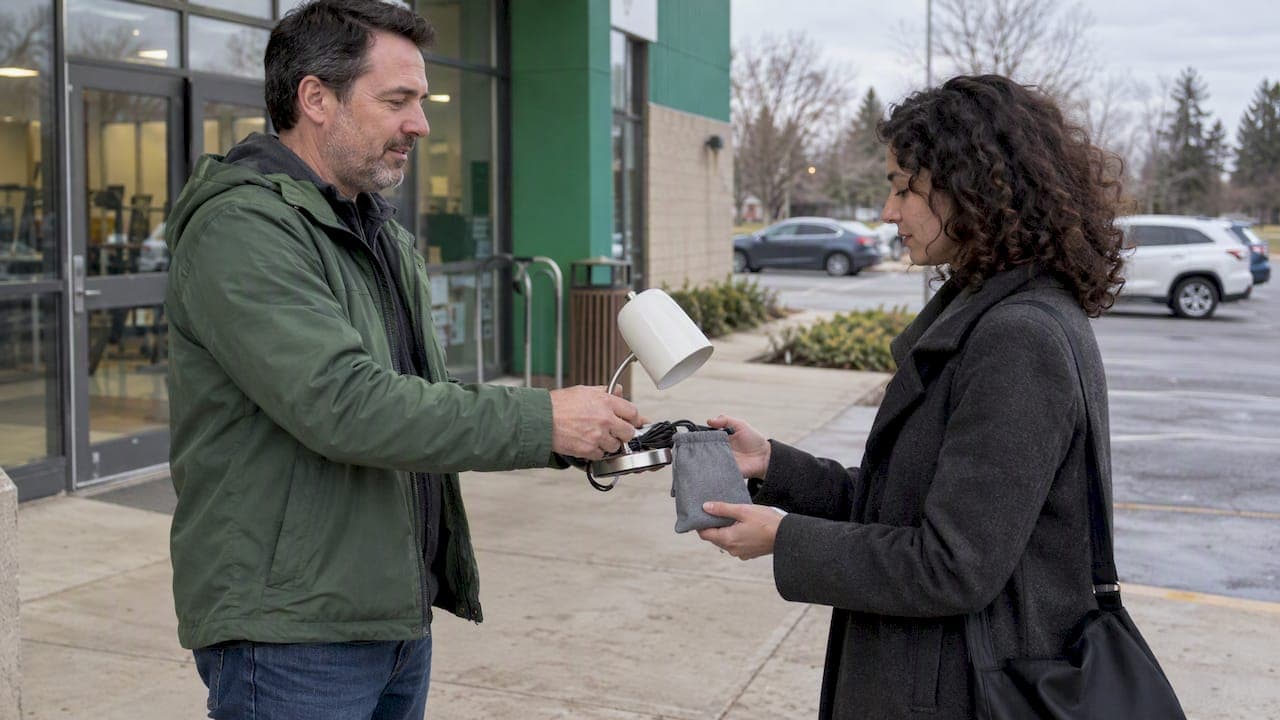
Local pickup means a buyer collects a purchased item from an agreed location instead of having it shipped. A key rule: meet in a safe, public or designated spot and confirm the item is actually ready before you travel, since a wasted trip or a risky meeting spot can make pickup more difficult.
TL;DR:
- Before leaving, agree in writing on the item, price, payment method, exact meeting point, and time, and wait for confirmation that it is ready.
- Meet in daylight at a busy, legally accessible place, bring a companion when possible, and leave if anyone pressures you or changes plans.
- A monitored police exchange zone lowers risk but cannot verify merchandise or prevent fraud, so inspect the item and confirm its serial number before paying.
- Retailers should publish pickup hours, processing times, and hold rules, then send ready notices only after orders are staged and labeled.
Table of Contents
- A quick checklist for buyers, sellers, and retailers
- Why a public exchange spot matters more than you think
- What to confirm before you ever leave the house
- Choosing a safe payment method and inspecting before you pay
- Setting up pickup operations that customers trust
- Making curbside arrival fast for everyone involved
- Our take on what actually keeps pickups safe
- Make your next local pickup easier with Marketplaceapp
- FAQ
- Sources
A quick checklist for buyers, sellers, and retailers
Each side of a pickup has different responsibilities, and skipping one often causes the friction that ruins an otherwise simple handoff.
- Buyers: inspect the item before paying, bring a valid ID, avoid carrying large amounts of cash, and confirm the meeting point in writing beforehand.
- Sellers: confirm the item is ready before messaging the buyer, label the order clearly, and never publish a full home address in the listing itself.
- Retailers: publish pickup hours, processing time, and hold or no-show rules at checkout so customers know what to expect before they arrive.
Privacy matters on both sides of a private sale. A cross street, parking lot, or store name works better in a listing than a street address, and scheduling details should stay inside the platform's messaging rather than a public comment thread.
Pro Tip: Buyers should photograph serial or model numbers at pickup, and sellers should stage the item near the agreed meeting spot with any accessories bagged and labeled, so the handoff is more organized and avoids an awkward search.

Why a public exchange spot matters more than you think
Choosing where to meet is one way to reduce risk in a local sale. Some police departments maintain designated Internet Purchase Exchange Locations, monitored parking spaces or station lobbies set up specifically for completing online purchase meetups in public view.
- Meet during daylight hours in a busy, legally accessible place, and use a designated exchange zone when your area has one.
- Bring a companion when possible, and tell a trusted person your meeting time and location beforehand.
- Leave immediately if the other party pressures you, shows up with extra people, or tries to change the agreed plan at the last minute.
Gaithersburg's exchange spaces run daily from 8 a.m. to 9 p.m., though hours and availability vary by jurisdiction, so check local availability before you head out. A monitored spot reduces personal risk, but it does not authenticate merchandise or guarantee the deal itself. A familiar public place alone does not remove theft or fraud risk, which is why police guidance still treats visibility, a companion, and a clear exit as separate precautions worth taking even in a safe-looking location.
What to confirm before you ever leave the house
Vague plans create wasted trips. Before anyone travels, both sides should agree in writing on the item, price, payment method, exact time, and precise meeting point, plus a fallback if one person runs late.
- Confirm the item description and agreed price match what was listed.
- Lock in a specific meeting point, not just a neighborhood or general area.
- Wait for an actual "ready" notification before leaving, rather than assuming the item is prepared.
- Set a short arrival window so neither party shows up far too early or too late.
Retail pickup systems reinforce the same logic: Best Buy's curbside process and Instacart's fulfillment workflow both depend on staged, confirmed orders, and arriving before that confirmation can lead to a frustrating wait.
Pro Tip: A simple message like "I'm parked in a gray sedan near the north entrance, ready whenever you are" confirms both your arrival and your location in one line.
Choosing a safe payment method and inspecting before you pay
Payment choice matters as much as location. Consider the payment options available on the platform, and police guidance warns against wire transfers or money orders for in-person sales.
- Check the item's condition against the listing, and verify serial or model numbers match what was advertised.
- Confirm all promised accessories are included, and power the item on when it's safe to do so.
- Look for signs of recent repair or modification that weren't disclosed.
If cash changes hands, do it in view of another person and photograph a written receipt. Payment protection, dispute rights, and fees vary by platform and payment method, so it's worth reading the applicable terms rather than assuming every pickup carries the same guarantees. High-value items like watches deserve extra caution before funds change hands, as outlined in this guide to confirming cleared funds for a watch sale.
Setting up pickup operations that customers trust
Retailers can help prevent pickup complaints by setting expectations early rather than fixing confusion at the counter. Publishing the pickup location, hours, processing time, and hold or no-show rules at checkout gives customers a clear picture before they even order.
- Send the "ready for pickup" message only after the order is staged and labeled, never before.
- Include the order number and plain arrival or check-in instructions in that notification.
- Display adjusted pickup estimates when inventory requires a transfer from another location, and flag exceptions for oversized or non-transferable items.
Configuring pickup per location, rather than treating every store the same, keeps processing times realistic and reduces the odds of a customer arriving to an order that isn't actually ready.
Making curbside arrival fast for everyone involved
Curbside works best when staff can find the customer without guesswork. Providing a parking spot number, vehicle description, or even a description of what you're wearing, along with a simple check-in link or text, lets staff locate you quickly instead of scanning the lot.
- Measure trunk space or fold down seats in advance for large or bulky items.
- Expect staff to place items in your trunk or back seat but not necessarily install or adjust anything inside the vehicle.
- Pedestrians or cyclists should ask in advance what pickup instructions apply if there's no dedicated curbside lane.
- Have a backup plan in mind, such as an indoor counter, if curbside service isn't available that day.
Our take on what actually keeps pickups safe
The advice that gets repeated most, meeting in a public place, often gets treated as a complete safety plan when it's really just the starting point. A busy parking lot at night with no one else around isn't meaningfully safer than a quiet one, and a designated exchange zone still requires the buyer to actually inspect the item and the seller to actually confirm readiness before anyone drives over. The handoffs that go wrong usually fail on communication, not location, so the written confirmation of time, place, and condition matters just as much as where you stand when you meet.
— Marketplace
Make your next local pickup easier with Marketplaceapp
We offer features to help buyers and sellers confirm pickup details before anyone leaves home. Push notifications help keep you informed about your pickup.
Whether you're clearing out electronics, fashion, or home and garden items, or looking for a nearby deal, you can browse and list local items on Marketplaceapp and handle the entire conversation, from scheduling to confirmation, in one place.
FAQ
What not to do during local pickup?
Avoid meeting in an isolated location, carrying large amounts of cash, or sending payment through a wire transfer or money order before you've seen the item. Don't publish your full home address in a listing, and don't ignore last-minute changes to the agreed time or place, since those are common warning signs.
What does local pickup mean?
Local pickup means the buyer collects an item in person from an agreed location, such as a seller's chosen spot or a retailer's store, instead of having it shipped. It applies to both private peer-to-peer sales and retail orders placed online for in-store or curbside collection.
How do police safe-exchange zones work?
Many local police departments offer designated exchange locations, such as monitored parking spaces or station lobbies, specifically for completing online purchase meetups. These spots reduce personal risk through visibility and surveillance, but they don't verify the item or guarantee the transaction itself.
What should I confirm before a pickup to avoid a wasted trip?
Agree in writing on the item, price, payment method, exact meeting point, and time, then wait for a "ready" notification before you leave. This habit, consistent with retail pickup guidance, can help avoid arriving before anyone is actually ready.
Sources
- Help
- Internet Purchase Exchange Location | Gaithersburg, MD
- Shop Smart, Meet Safe: Tips for Online Buying and Selling – Fairfax County Police Department News
- Curbside Pickup Frequently Asked Questions - Best Buy