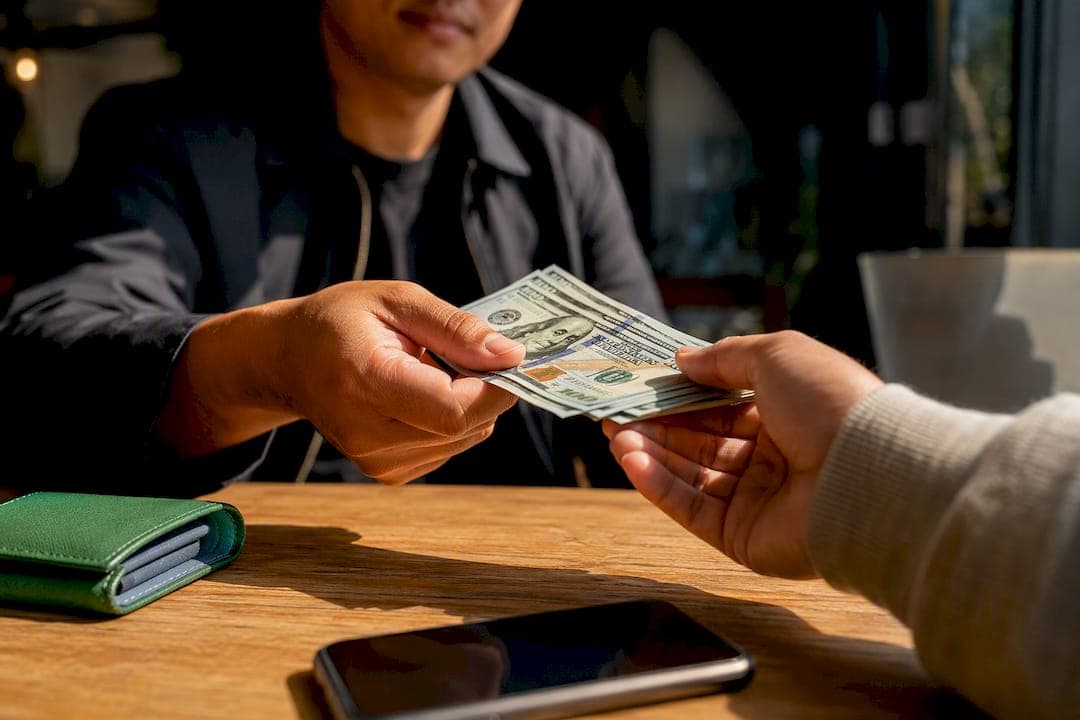
The fastest way to sell your phone locally is walking into an ecoATM kiosk, a retail trade-in counter, or an independent phone shop, or meeting a vetted buyer through a local marketplace app. Most in-person routes pay out within the same day. Wipe your data and confirm payment method before you hand over the device.
TL;DR:
- Kiosks like ecoATM offer instant cash offers, but typically pay less than independent shops or direct buyers due to algorithm-based pricing.
- Preparing your phone with a full reset, disabling locks, and gathering accessories ensures a quicker sale and reduces the risk of transaction failure.
- Meeting at public locations, verifying buyer credentials, and getting payment before handing over the device are critical safety measures.
- Always wait for actual funds to clear, avoid buyers asking for security details or remote testing, and steer clear of unverified or impulse-buying schemes.
- Selling a financed or locked phone requires paying off the balance and removing account locks to avoid legal issues and ensure a smooth transfer.
Table of Contents
- What Are the Quickest Local Phone Selling Options?
- How Do You Prepare Your Phone Before Selling It?
- How Should You Choose Where to Sell Your Phone?
- What's the Step-by-Step Process for a Same-Day Sale?
- Why Do Offers Vary and How Should You Get Paid?
- What Safety Steps Protect You During an In-Person Sale?
- What Scams Should You Watch for Beyond Basic Safety Rules?
- What Legal Steps Does Selling a Phone Require?
- A Quick Local Sale, Start to Finish
- MarketplaceAnywhere: A Safe, Local-First Way to Sell Today
- Sources
What Are the Quickest Local Phone Selling Options?
Not every local sale route works the same way, and picking the wrong one can cost you money or time. Here's a rundown of the five main paths to selling a used phone locally.
- Automated kiosks. ecoATM machines sit inside grocery stores and retail chains and can pay cash in about seven minutes once the kiosk scans your device and checks the model. The trade-off is a lower offer than a person could negotiate, since the machine prices strictly by algorithm.
- Retail store counters. Big-box electronics stores and carrier locations often run trade-in programs staffed by employees who inspect the phone, sometimes wipe it on-site, and issue store credit or a gift card rather than cash in hand.
- Independent phone shops. Local repair shops and secondhand electronics dealers tend to pay cash and, unlike kiosks, will often buy a phone with a cracked screen or dead battery because they resell the parts.
- Peer-to-peer local buyers. Selling directly to another person nearby can get you the best price, but you're responsible for vetting the buyer and arranging a safe meeting.
- Local marketplace apps. Platforms with buyer verification and in-app messaging give you a bigger buyer pool than classifieds while keeping the transaction contained to your area, which is where a tool like Marketplaceapp fits.
How Do You Prepare Your Phone Before Selling It?
A little prep work before you leave the house speeds up the sale and protects your personal information. Buyers, whether a kiosk or a person, need to confirm the phone is clean and functional before they'll pay full offer.
- Back up your photos, contacts, and files, then sign out of iCloud, Google, and any other linked accounts.
- Disable Activation Lock or Factory Reset Protection and remove your SIM card.
- Run a full factory reset, or ask a retail counter if they offer a certified on-site data wipe.
- Leave the phone on the initial setup screen so the buyer can see it's clean before they buy.
- Write down the IMEI or serial number, model, storage size, battery health percentage, and carrier lock status.
- Note any visible damage: cracks, dents, or a swollen battery.
- Gather the charger, case, and original box if you still have them, plus a receipt or proof of purchase if requested.
Skipping the reset is the single biggest reason a same-day sale falls through. Most buyers won't touch a phone still logged into someone else's accounts, and a certified reset before listing protects both your data and your resale value.
How Should You Choose Where to Sell Your Phone?
Speed, price, and data security rarely line up in the same option, so decide which one matters most before you walk out the door. If you need cash in the next 15 minutes, a kiosk wins. If you want the highest dollar amount and don't mind a short negotiation, an independent shop or a local buyer usually beats a kiosk's offer.
Before committing to a buyer, ask a few direct questions:
- Do you pay cash on the spot, or is payment delayed?
- Will you wipe my data, or do I need to do that myself first?
- Is this offer final, or subject to change after inspection?
- Can I get a receipt or written confirmation of the sale?
Watch for red flags too: any buyer who wants you to ship the phone before payment, refuses to show ID, or has a profile with no history or reviews. A legitimate local buyer will meet in person and pay before the phone changes hands, not after.
Pro Tip: Check a kiosk operator or shop's BBB profile before you go. Two minutes of research can confirm you're not driving to a location with a pattern of complaints.
What's the Step-by-Step Process for a Same-Day Sale?
- Get a quick estimate using a kiosk locator app or a marketplace listing tool so you know roughly what to expect.
- Call ahead or message the buyer to confirm they still want the phone and agree on a meeting time.
- Pack the phone, charger, case, and any ID the buyer might request.
- Head to the kiosk, store, shop, or a safe public meeting spot.
- Let them inspect the device, confirm the offer, and hand over payment before you release the phone.
- Get a receipt, confirmation text, or transaction record before you leave.
Timelines vary by route. A kiosk transaction usually takes a few minutes start to finish. A retail counter or independent shop takes longer once you're inspected and approved. Meeting a peer-to-peer buyer typically takes under an hour, factoring in travel and the in-person check.
Why Do Offers Vary and How Should You Get Paid?
Your phone's price depends on the model, age, storage size, physical condition, and whether it's carrier-locked. A late-model phone with high storage and a clean screen will always out-earn an older, scratched, locked one, regardless of where you sell it.
- Kiosks price by algorithm, so they tend to land on the lower end of the range, especially for anything with cosmetic damage.
- Independent shops and local buyers can pay more for a repairable device since they resell parts or fix and flip it themselves.
- Market demand for a specific model shifts week to week, so the same phone can fetch a different price at two shops a mile apart.
A working phone in good condition typically sells for meaningfully more than one with a cracked screen or bad battery, though exact numbers depend heavily on the model and local demand. Insist on cash in hand or an instant, verified transfer. Skip any buyer who offers a check, a delayed transfer, or a payment app hold that won't clear the same day.
What Safety Steps Protect You During an In-Person Sale?
- Meet at a public location, a police department exchange zone, or a staffed retail counter rather than a private home.
- Bring a friend along if you're meeting an independent buyer for the first time.
- Show the phone on its post-reset setup screen so the buyer can confirm it's wiped, but don't hand it over until payment clears.
- Take cash or a confirmed instant transfer only, and get the buyer's contact information along with a written receipt.
- Keep your own copy of the IMEI or serial number in case a dispute comes up later.
Pro Tip: If a buyer asks you to meet somewhere isolated or insists on paying after they take the phone home to "test it," walk away. That's the most common setup for a no-pay scam.
What Scams Should You Watch for Beyond Basic Safety Rules?
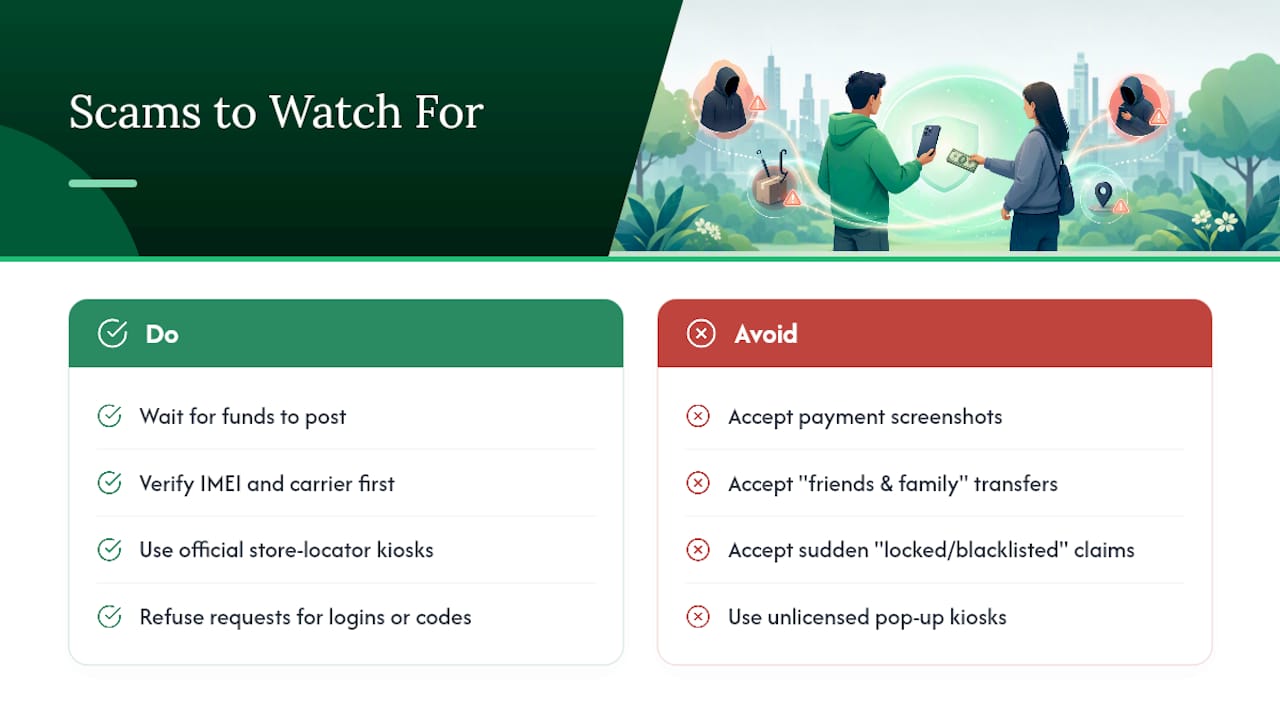
The most common scam isn't a mugging, it's a payment trick. A buyer sends a screenshot of a bank transfer that looks confirmed but was actually canceled seconds later, or they use a payment app's "friends and family" option that can be reversed after they walk away with your phone. Always wait for the funds to actually post in your account, not just for a notification to appear on your screen.
Another common trick: a buyer claims the phone is "locked" or "blacklisted" mid-transaction to justify a lowball counteroffer, even though the device checked out fine minutes earlier. If you already confirmed the IMEI and carrier status before meeting, you'll know immediately if they're bluffing.
Fake kiosks and unlicensed pop-up "buyback" tables at flea markets or events are a newer problem. They mimic legitimate branding but have no locator listing, no business license, and no way to trace them after the transaction. Stick to kiosks you can find on an official store locator, where the location and accepted device types are listed in advance.
Watch out too for buyers who ask you to "test" a payment app by sending a small amount first, then claim a technical error and ask for your login details to "fix" it. No legitimate buyer needs your banking credentials to pay you. If anyone asks for a password, PIN, or two-factor code during a sale, end the transaction immediately.
What Legal Steps Does Selling a Phone Require?
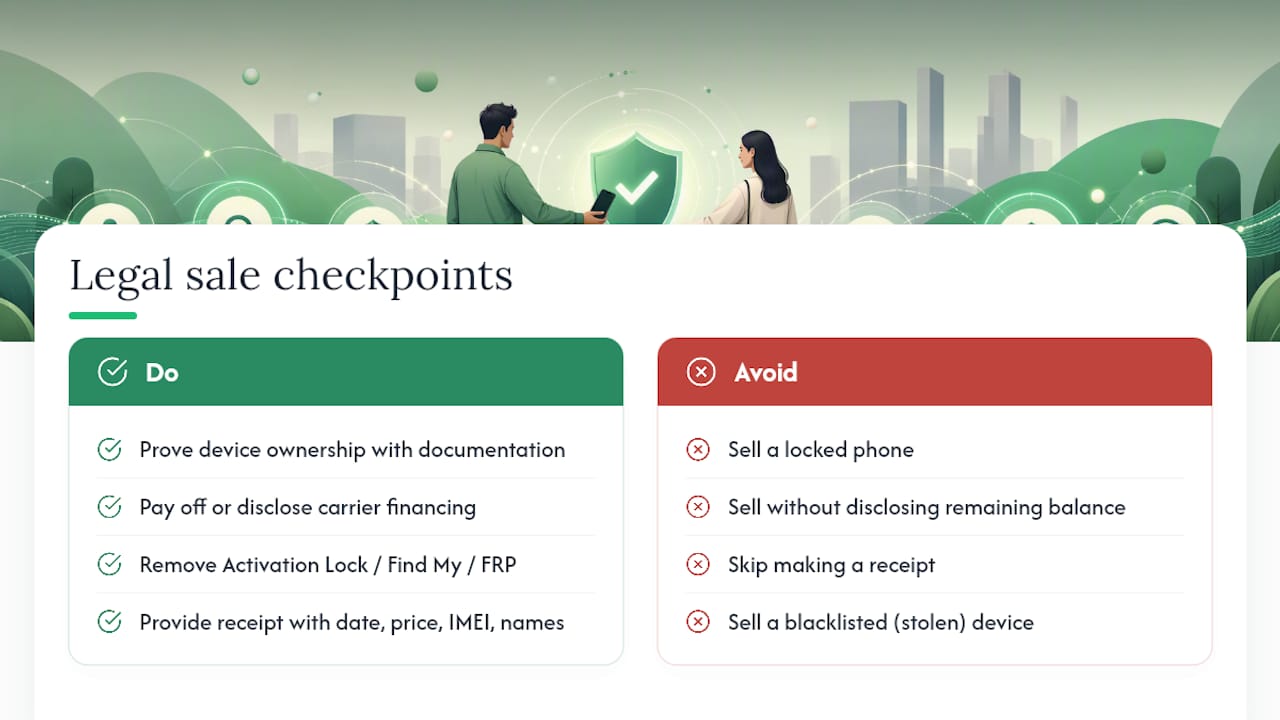
Selling a personal phone is legal in every US state, but you're still responsible for proving you actually own the device and clearing it of your accounts before transfer. If the phone is financed through a carrier installment plan and not fully paid off, you're technically selling encumbered property, so pay off the remaining balance first or disclose it to the buyer.
Removing Activation Lock, Find My iPhone, or a Google Factory Reset Protection lock isn't optional. A phone still tied to your account is effectively useless to a buyer, and some buyers will refuse the sale entirely if they can't confirm the lock is off during inspection.
Keep a simple paper trail. A receipt with the date, price, device IMEI, and both parties' names protects you if the phone is later reported lost or stolen and traced back to you as the last confirmed owner. Retail counters and kiosk operators typically generate this automatically; if you're selling peer-to-peer, write one yourself, even a handwritten note works.
If the phone was ever reported stolen, even by a previous owner before it came to you, most buyers and all reputable kiosks will run an IMEI check that flags it and refuses the transaction. That protects you too, since knowingly selling a blacklisted device can expose you to legal liability depending on your state's stolen-property statutes.
A Quick Local Sale, Start to Finish
A reader recently swapped an older phone with a hairline crack for cash at an independent shop rather than a kiosk, betting that a human buyer would pay more for a repairable screen. They wiped the phone the night before, brought the charger and original box, and met the shop owner at the counter during business hours. The wipe made the difference: the owner could confirm the setup screen instantly, skip a lengthy inspection, and hand over cash in under ten minutes.
That kind of outcome isn't guaranteed every time, but it illustrates the pattern worth repeating: prep the phone fully, pick the venue that matches your priority (speed or price), and never leave without payment in hand.
— Marketplace
MarketplaceAnywhere: A Safe, Local-First Way to Sell Today
If you want more than one buyer bidding on your phone before you commit to a price, Marketplaceapp gives you that without the guesswork of a random classifieds post. You list the phone once, and the platform's location-based search puts it in front of local buyers actively shopping your area, not strangers three states away.
Listings often connect to verified seller ratings and in-app messaging, so you can vet a buyer's history and agree on a meeting spot before you ever hand over the device. That verification layer is the piece raw classifieds and cold cash-for-phones ads skip entirely, and it's the reason a local buyer marketplace tends to move faster and safer than posting blind. Push notifications can alert you the moment someone messages about your listing, so you may not need to check an inbox for days waiting on a reply.
Getting started takes a few minutes: snap photos, list the specs you recorded during prep, and start chatting with nearby buyers. List your phone on Marketplaceapp and see who's ready to meet today.
Sources
Check the ecoATM kiosk locator for nearby machines, review factory reset steps before you go, and see electronics recycling options if selling isn't the right fit.
- Sell Your Cell Phone & Tablets for Cash Today – ecoATM
- Find An ecoATM Location Near You | ecoATM store locator
- ecoATM LLC | BBB profile