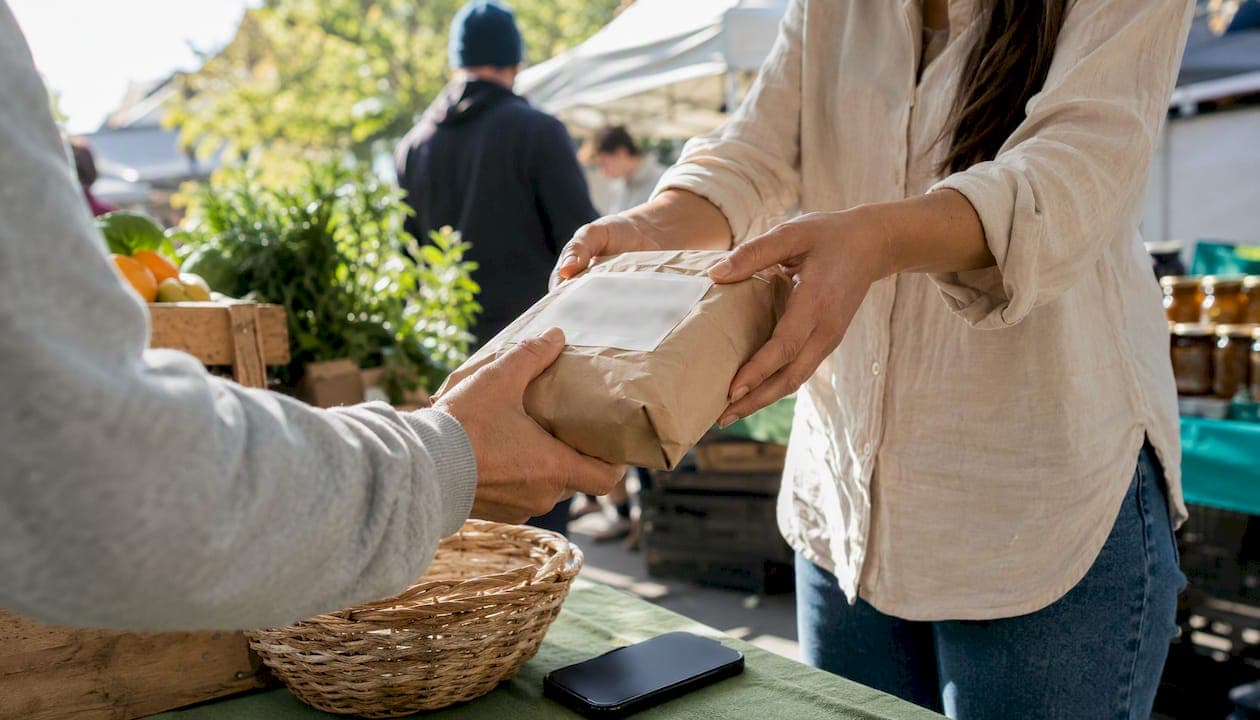
The fastest way to handle a local return is to inspect the item at meetup, document its condition with time-stamped photos or video, agree on a remedy in writing (full refund, partial refund, or exchange), and complete the payment reversal securely. If you and the other party can't reach a fair resolution, escalate through MarketplaceAnywhere using your evidence. That's the whole workflow. Everything below makes each step faster and safer.
Non-negotiables for every local return:
- Inspect the item before money changes hands or the return is accepted
- Take time-stamped photos or a short video showing condition
- Confirm the agreed remedy in the in-app chat (written record)
- Use a secure, traceable refund method whenever possible
- Keep your transaction ID and any receipts until the case is fully closed
Being upfront about item condition and responding quickly to refund requests are the two practices that prevent most escalations in peer-to-peer marketplaces, according to Karrot Market's guidance on refund requests.
Key Takeaways
Handling returns locally comes down to one principle: document everything before the item changes hands, agree on the remedy in writing, and use a traceable refund method so the record exists if escalation is needed.
| Point | Details |
|---|---|
| Inspect before accepting | Run a visual, functional, and serial number check at the meetup before any refund is given. |
| Document with photos and video | Time-stamped photos from four angles and a short functional video are the strongest dispute evidence. |
| Confirm the remedy in chat | Type the agreed refund amount or exchange terms into the in-app chat at the meetup for a written record. |
| Choose traceable refund methods | In-app refunds and bank transfers leave a record; cash is fast but untraceable — match the method to the risk. |
| Escalate with evidence, not emotion | Open an in-app claim on MarketplaceAnywhere with photos, chat logs, and your transaction ID to resolve disputes quickly. |
Table of Contents
- How to handle returns locally, step by step
- What return terms should your listing actually say?
- How to stay safe during a return meetup
- What evidence to collect and how to store it
- Which refund method is safest for local returns?
- When and how to escalate a dispute
- Ready-to-use templates for listings, messages, and receipts
- Why a fast, fair return process is worth more than you think
- Marketplaceapp makes local returns easier to resolve
- Sources
How to handle returns locally, step by step
A clear sequence prevents the confusion that turns small disagreements into disputes. Follow this in order.
- Initiate the return request in-app or via direct message. Send a message within 24 hours of the meetup describing the issue. Include one or two photos. Waiting longer weakens your position because it raises questions about when the problem occurred.
- Agree on a meetup location. Choose a public place — a coffee shop, library, or a SafeTrade Station. Bring the original receipt or transaction ID screenshot.
- Inspect the item together. Run through this checklist at the meetup:
- Visual check: scratches, stains, missing parts
- Functional test: power on, test core features
- Serial number match against the listing photos
- Smell or signs of water damage (especially for electronics and clothing)
- Agree on the remedy. Options are a full refund, a partial refund with the buyer keeping the item, a straight exchange, or confirming "no return" if the listing stated final sale after inspection. Type the agreed terms into the in-app chat right there at the meetup — that message becomes your written record.
- Complete the refund. Reverse payment through the app when possible. If cash, count it and confirm receipt in chat. Close the case in-app once both parties confirm.
Pro Tip: Refund quickly on low-value items even when you're not sure who's right. A fast resolution protects your seller rating and stops a small disagreement from becoming a chargeback. Speed often matters more than perfect fairness on a $20 item.
Karrot Market advises sellers to evaluate refund requests based on item condition at sale, whether the buyer had a chance to inspect, and how much time has passed — and to prioritize safety and professional communication throughout the process. That framework applies directly to local exchange services on any peer-to-peer platform.
What return terms should your listing actually say?
Clear listing language sets expectations before the meetup and protects both parties if a dispute arises later. Vague terms ("returns accepted") invite arguments; specific terms close them down.
Short policy snippets sellers can paste directly into listings:
- Strict: "Inspect on pickup — all sales final after inspection. No returns accepted once item leaves."
- Balanced: "24-hour window for operational defects only. Item must be returned in original condition."
- Buyer-friendly: "Happy to meet for inspection before purchase. Refund available within 24 hours if item doesn't match description."
Do this:
- State exclusions clearly (perishables, custom items, items sold as-is)
- Confirm your policy verbally at the meetup and type a one-line confirmation in chat ("Agreed: all sales final after inspection today")
- Ask buyers to confirm they've read the return terms before meeting
Avoid this:
- Vague language like "returns considered case by case" — it creates false expectations
- Promising refunds without a time limit
- Listing "no returns" without disclosing known defects (this can expose you to misrepresentation claims)
Buyers: before committing to a purchase, ask the seller directly in chat whether the item has any defects not shown in photos, and confirm the return window. That message protects you if the item arrives in worse condition than described. A visible, written refund policy and structured return workflow are the foundation of good return management in any marketplace.
How to stay safe during a return meetup
Returns carry slightly more risk than a standard sale because one party is already unhappy. A few simple precautions keep both sides protected.
- Meet in public. Police station exchange zones and SafeTrade Stations are ideal. A busy parking lot in daylight works. Never meet at a home address for a disputed transaction.
- Keep contact details private. Use in-app messaging exclusively until the transaction is fully resolved. Don't share your phone number or home address.
- Bring a witness if the item is high-value. A friend or family member adds accountability on both sides.
- Open packaging and test the item before handing over any refund. Never pay a refund before confirming you have the item back in hand.
- Limit handling of payment instruments. Count cash yourself; never hand your phone or card to the other party.
Pro Tip: If a buyer or seller insists on meeting somewhere private or pressures you to skip inspection, that's a red flag. Decline and reschedule at a public location, or escalate through the platform before proceeding.
What evidence to collect and how to store it
Good documentation takes about three minutes at the meetup and can resolve a dispute in minutes instead of days.
Minimum evidence package:
- Time-stamped photos of the item from at least four angles before handover
- A short video (15–30 seconds) showing functional checks and the serial number
- Screenshot of the in-app chat confirming the agreed remedy
- Photo of any receipt or transaction ID confirmation
- Note of the meetup date, time, and location
How to take useful photos: shoot in good light, get close-ups of any damage, and include one wide shot showing the full item in context. For electronics, verify serial numbers against the listing before accepting or returning the item.
Where to store it: attach photos and video directly to the in-app claim or message thread. Name files with the date and item (e.g., "2026-03-15_headphones_front.jpg") so you can find them instantly if escalation is needed. Time-stamped photos and video demonstrating functional checks are the most effective evidence when a dispute arises over condition or "not as described" claims.
Which refund method is safest for local returns?
Each option has real tradeoffs. Choose based on how much traceability you need.
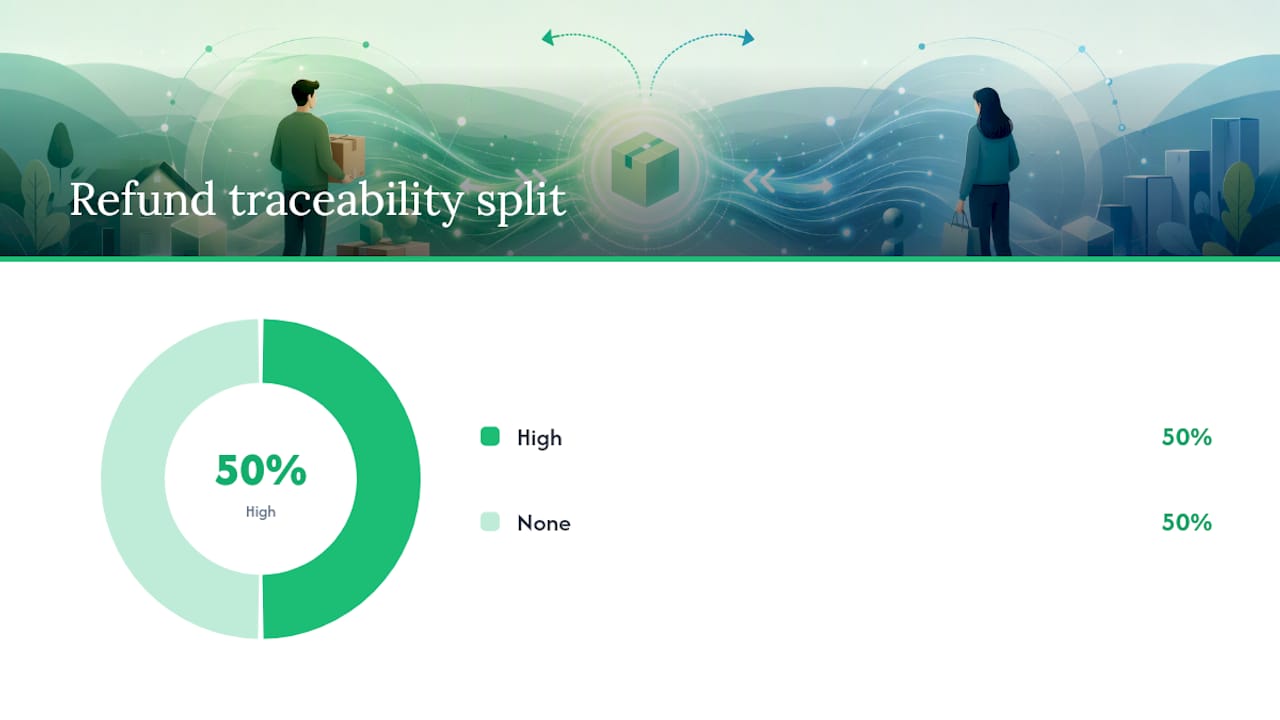
- In-app refund: Traceable, tied to the transaction record, and visible to MarketplaceAnywhere if escalation is needed. Slightly slower but the safest option for both parties.
- Cash at meetup: Immediate, but leaves no trace. Only use cash when both parties trust each other and the amount is low enough that a dispute is unlikely.
- Bank transfer or PayPal-style refund: Traceable and documented, but takes 1–3 business days. Confirm the transfer reference in chat.
- Partial refund with item kept: Useful when the item has a minor defect and the buyer wants to keep it at a reduced price. Document the agreed amount in chat before any money moves.
| Refund Method | Speed | Traceability | Seller Risk | Buyer Risk |
|---|---|---|---|---|
| In-app refund | 1–2 days | High | Low | Low |
| Cash at meetup | Immediate | None | Medium | Medium |
| Bank transfer | 1–3 days | High | Low | Low |
| Partial refund (cash) | Immediate | None | Medium | Medium |
Warning: never refund off-platform before you physically have the item back. Never share card details in person. Payout timing and refund clarity are core trust drivers in local marketplaces — holding funds until both parties confirm the return protects everyone.
When and how to escalate a dispute
Most local returns resolve in one conversation. Escalate when they don't.
Triggers for escalation:
- The other party stops responding for more than 48 hours
- You have evidence the item was misrepresented (photos don't match the listing)
- You suspect fraud (item is counterfeit, serial number doesn't match)
- You cannot agree on a remedy after two good-faith attempts
Steps to escalate through MarketplaceAnywhere:
- Gather your evidence package (photos, video, chat logs, transaction ID).
- Open an in-app claim using the one-tap report or intake form. Select the correct reason category ("not as described" vs. "changed mind") — this speeds the platform's review.
- Set a response expectation: note in your claim that you expect a response within 48 hours.
- Submit all documentation with the claim. The platform will look for photos showing condition, chat logs confirming any agreements, and proof of inspection.
Structured intake forms, visible SLA timers, and auto-escalation reduce escalation time and lower chargeback risk significantly. Disputes handled quickly are far less likely to become payment disputes with your card issuer or PayPal.
For high-value items like vehicles, consider using itemized storage solutions to coordinate returns or staging items for inspection, since the documentation bar is higher. Review the local car sale documentation practices before any high-value return meetup.
Ready-to-use templates for listings, messages, and receipts
Copy and adapt these directly.
Listing policy snippets:
- Strict: "All sales final after in-person inspection. Please inspect thoroughly before purchase."
- Balanced: "Operational defects reported within 24 hours of pickup will be considered for refund."
- Buyer-friendly: "I welcome inspection before purchase. Item matches photos — happy to answer questions."
Message templates:
- Buyer requesting return: "Hi, I picked up the [item] on [date]. It has [specific issue] that wasn't disclosed. I'd like to arrange a return. Can we meet at [location] on [date/time]?"
- Seller proposing remedy: "Thanks for reaching out. I'm open to a partial refund of $[amount] given the issue you've described. Can you confirm in this chat if that works?"
- Confirming inspection result: "We've inspected the item together at [location] on [date]. Agreed: [full refund / partial refund of $X / exchange]. Refund to be completed via [method] today."
Meetup receipt (type or screenshot into chat):
Item: [name] | Condition at return: [description] | Date/Time: [date, time] | Location: [place] | Agreed remedy: [refund amount or exchange] | Confirmed by: [buyer username] and [seller username]
For clothing returns, focus the inspection on stains, sizing, and tags. For electronics, add serial number confirmation and a power-on test to every template.
Why a fast, fair return process is worth more than you think
The conventional wisdom is that returns are a cost to minimize. The better frame is that a clean, fast return is one of the cheapest ways to build a reputation on a local marketplace.
A seller who resolves a dispute in 24 hours, documents it properly, and keeps communication professional will accumulate verified positive ratings faster than one who fights every return. Buyers remember that. On a platform where verified seller ratings are visible to every future buyer, one well-handled return can do more for your reputation than five smooth sales.
MarketplaceAnywhere's in-app chat, evidence attachments, and one-tap reporting exist precisely to make this easy. The tools lower the friction of doing the right thing — which means there's no good reason to handle a return off-platform and lose the paper trail. Speed of response often matters more than a perfect outcome, especially on lower-value items where the relationship and the rating outlast the transaction.
Marketplaceapp makes local returns easier to resolve
Handling a disputed local transaction is faster when the platform works with you. Marketplaceapp's MarketplaceAnywhere gives buyers and sellers the tools to resolve returns without leaving the app: in-app chat with photo and video attachments, a one-tap return claim with visible SLA timers, verified seller badges that create accountability, and secure in-app refunds that stay on the record.
Those features directly reduce the risk of off-platform deals and chargebacks. When a refund is processed through the app, both parties have a timestamped record tied to the original transaction — exactly what a payment provider or the platform needs if escalation goes further. For sellers managing local listings across categories, that paper trail is the difference between a resolved dispute and a lost case.
If you have an unresolved return right now, start your in-app claim at MarketplaceAnywhere and attach your evidence. The platform's intake form routes your case to the right team with the context already attached.
Sources
External references used in this article:
- Handling Refund Requests in Online Marketplaces - Karrot Market
- Local marketplace payments and trust: what fails first
- How to Handle Returns and Refunds in a Multi-Vendor Marketplace
On MarketplaceAnywhere: