Your buyer protection options come from four places: the payment method you use, the platform you buy on, your own habits at the handoff, and the law. A credit card gives you the strongest legal footing. A payment app's protection program helps only if you pay through its official checkout. A platform's policy is worth only what it actually says. For local deals, careful behavior on the spot does most of the work.
This guide walks through each layer, with the deadlines, limits and traps that decide whether you get your money back.
TL;DR
- Protection is not automatic. The FTC says to check each marketplace's policies before you buy, because some platforms are little more than message boards.
- A credit card is usually the strongest payment option, because federal law lets you dispute charges for goods never received or significantly different than described.
- Payment app protection often disappears if you pay as "friends and family" or send a bank transfer or cash to a stranger.
- Disputes have deadlines. Take photos, keep messages and act within days, not weeks.
- For local pickups, inspect the item before you pay and meet in a public place.
Table of Contents
- Why buyer protection is not the same everywhere
- The main buyer protection options, compared
- Credit cards: the strongest layer for most buyers
- Payment apps: useful, but only inside the lines
- Platform policies: read them before you click Buy
- Local deals: your best protection is the handoff
- Scams that cancel your protection
- Our perspective: protection is a stack, not a feature
- Find local deals with built-in tools
- A quick checklist before every purchase
- FAQ
- Sources
Why buyer protection is not the same everywhere
People search for "buyer protection" as if it were one product. It isn't. It is a patchwork of promises made by different parties, and each one has conditions.
The FTC's guidance on buying from an online marketplace makes the key point: marketplaces differ widely in how involved they are. Some run a managed process for payments and disputes. Others only connect people and leave everything else to the buyer and seller. If you assume the first and you are in the second, you are on your own when a deal goes wrong.
So before any purchase, ask three questions:
- Does the platform handle the payment, or do we settle up outside it?
- Is there a written process if the item never arrives or isn't as described?
- What deadline applies, and what proof do I need?
If you can't find answers in the platform's help pages, treat the deal as unprotected and choose your payment method accordingly.
The main buyer protection options, compared
| Option | What it can cover | Main limits | Best for |
|---|---|---|---|
| Credit card dispute (federal law) | Unauthorized charges, billing errors, goods never received or significantly different than described | Price and distance requirements can apply; you must dispute promptly | Shipped purchases, higher-value items |
| Credit card purchase protection benefit | Theft or accidental damage for a limited time after purchase | Per-claim caps; set by your card, not by law; not for simple loss | New items you want covered after delivery |
| Payment app purchase protection | Item not received, significantly not as described | Only eligible transactions; strict filing windows; voided by personal-transfer modes | Online purchases paid through the official checkout |
| Platform policy | Whatever the platform promises | Varies from managed to none | Buying where the platform handles payment |
| Cash, bank transfer, personal transfer | Little or nothing | Often no recourse for fraud | In-person deals where you inspect first |
The rest of this article takes these one at a time.
Credit cards: the strongest layer for most buyers
If you pay remotely for something from a stranger or a small seller, a credit card is usually the best protection you can carry. The FTC explains that under the Fair Credit Billing Act you have rights to dispute credit card charges for unauthorized use, billing errors, and goods that were never delivered or were significantly different than described. While the issuer investigates, you may be allowed to withhold payment on the disputed amount.
There is a catch. For disputes over the quality of a purchase, the FTC notes the purchase generally has to meet certain price and distance requirements, or be made within your home state or within 100 miles of your address. Those limits don't apply when the seller is also the card issuer, such as a store-branded card.
A chargeback is a different animal from a platform claim. As PayPal explains, a chargeback goes through your card issuer, so the bank, not the platform, makes the final decision. That is exactly why it can be valuable when a platform's own process is thin.
Debit cards and peer-to-peer payment apps don't sit on the same legal footing. If you want a closer look at how card payments stack up against other ways to pay, see our guide to the safest secure payment methods for U.S. consumers. Another useful read on how retail purchases compare across payment types and why cards can offer strong dispute protections is this marketplace payment comparison.
Dispute versus purchase protection benefit
Don't confuse two card features. A dispute is about a transaction going wrong: no item, wrong item. A purchase protection benefit is closer to short-term insurance. NerdWallet's overview describes it as covering theft or accidental damage for a limited period, and notes that coverage amounts and duration differ by card. It usually won't pay out if you simply lose an item. Read your card's benefits guide before counting on it.

Payment apps: useful, but only inside the lines
Payment apps can add a real safety net, as long as you use them the way they intend. PayPal's Purchase Protection page says that as of early 2026, an Item Not Received dispute can typically be opened within 180 days of payment. A Significantly Not as Described claim generally must be opened within 30 days of delivery or 180 days of payment, whichever comes first. Eligible transactions can include the full purchase price plus original shipping.
Two timing details matter:
- Disputes start in a Resolution Center, where you message the other party. If it isn't resolved, you can escalate it to a claim. PayPal generally aims to decide within 14 days, though complex cases can take 30 days or longer.
- A dispute can close automatically after 20 days if you don't escalate it, so don't let it sit.
The bigger trap is the payment mode. According to PayPal's program terms, using "friends and family" or another personal transfer mode typically voids buyer protection for the payment. Scammers know this. They ask you to pay as a gift, "to avoid fees." That request alone is a reason to walk away.
The filing rules also differ by country, so if you are outside the U.S., check your own region's page. Everything above describes the U.S. program.
Platform policies: read them before you click Buy
A platform can offer protection through its own checkout: holding payment until delivery, a refund request process, ratings that expose bad sellers. Or it can offer none. The FTC's background guidance is blunt that some sites only connect people and leave dispute resolution, payments and shipping to the two parties.
When you evaluate any marketplace, look for:
- Payment flow: is there an official checkout, and does the policy say protection applies only if you use it?
- Claim window: how many days after delivery or pickup can you report a problem?
- Evidence rules: what proof is needed (photos, chat history, receipts)?
- Seller signals: ratings, verification and history you can check before paying.
- Contact route: a real way to reach the platform, not just the seller.
If the platform doesn't resolve an issue, the FTC and its international partners point consumers to econsumer.gov's guidance on contacting the platform as a starting place for reports.
Speed matters most. The earlier you raise a problem, the better your odds, which is why we wrote up how to act within 48 to 72 hours to win refunds on local sales.
Local deals: your best protection is the handoff
With local buying there is no shipping label to dispute. The protection is what you do before money changes hands. That is the whole appeal of a local sale: you can see the thing first.
Before you meet
- Ask questions in the platform's chat so there is a written record. Ask for extra photos, the serial number, or proof of purchase on electronics.
- Check the seller's ratings and how long they have been active.
- Agree on price and payment method in writing before you leave the house.
- Tell someone where you are going.
At the meetup
- Meet in a busy, well-lit public place, and in daylight if you can.
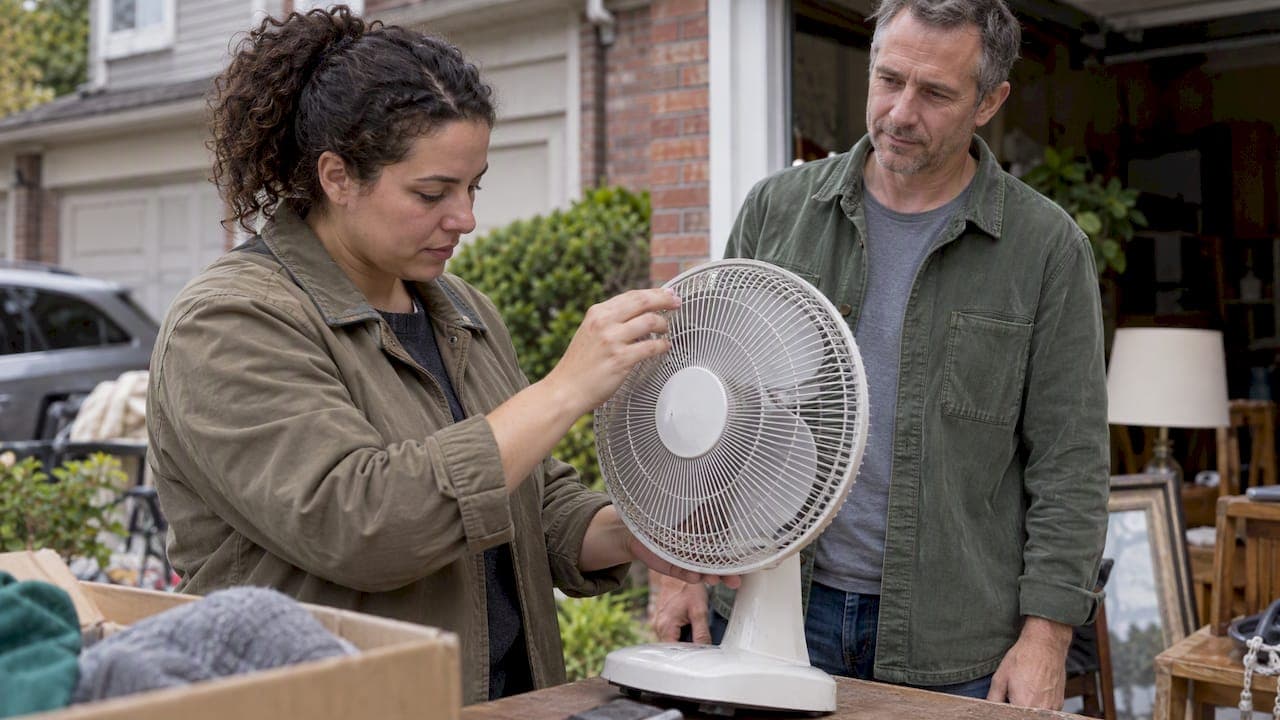
- Test the item. Plug in the electronics, run the appliance, try on the clothes, check the vehicle's paperwork.
- Pay only after you are satisfied. If something is off, walk away. A no-show is cheaper than a regret.
- If a deal is still pending and you change your mind, our guide on how to cancel a local marketplace deal before payment clears covers the clean way to do it.
Payment choices for in-person deals
Cash works when you inspect first, but it leaves no paper trail and no recourse. The PayPal terms linked above and the FTC's background guidance both warn against cash, bank transfers or unusual payment methods for remote transactions, since they often leave you no recourse for fraud. Locally, a protected checkout or a card payment where available gives you a record. For more, see our online classifieds safety guide and the basics of local marketplace etiquette.
Scams that cancel your protection
Most protection programs assume an honest dispute. Scams are built to put you outside them.
- Off-platform payment requests. The seller wants a transfer, a gift-mode payment or a gift card. You lose the protection you would have had.
- Fake payment notifications. The FTC warns that a scammer posing as a buyer may send a fake payment notice and hope you hand over the item before you check your account. If you sell, confirm funds in your own account, not in a screenshot.
- Overpayment checks. A fake check for more than the asking price, followed by a request to refund the difference. A bank may say a check has cleared within days, but it can take weeks to discover it is fraudulent, and the bank then takes the money back from you.
- Too-good prices and urgency. A rare item at half price, with pressure to pay now.
Sellers should read our list of five local selling scams to spot before releasing an item. If you have already paid a scammer, the FTC's page on what to do if you were scammed says it is still worth asking the company you paid whether it can reverse the charge.
Our perspective: protection is a stack, not a feature
We run a local marketplace, so we see how deals succeed and how they fail. Most problems don't come from a missing policy. They come from a rushed step: paying before looking, moving the conversation off the platform, or skipping a photo that would have settled a disagreement.
Our view is simple. A good marketplace should give you the tools that make careful behavior easy: secure payments, verified seller ratings, direct chat that keeps the conversation on record, and location-based search so you can find items close enough to inspect. Those features lower risk, but they don't replace your judgment. No platform, ours included, makes a bad decision safe.
We also think honesty about limits builds more trust than big promises. Read the terms of any app, including ours, and match your payment method to the size of the purchase. Spend little on a quick pickup, take more care with electronics and vehicles, and use a credit card for anything shipped.
— Marketplace
Find local deals with built-in tools
If you want to buy or sell nearby, Marketplaceapp lists items across electronics, fashion, vehicles, pets, home and garden, hobbies, health and beauty, and entertainment. You can browse by category, check seller ratings, and message sellers directly before you meet. Start with a category you know well, so you can judge condition and price quickly.
If you are comparing places to list or shop, our roundup of best local selling platforms explains what to weigh.
A quick checklist before every purchase
- Find the platform's written policy and note the claim window.
- Pay through the official checkout, never as a personal transfer.
- Use a credit card for shipped items when the option exists.
- Screenshot the listing, the price and the key messages.
- Inspect in person for local deals, and test before paying.
- If something is wrong, tell the seller and the platform quickly and in writing.
- Escalate to your card issuer or payment provider before deadlines run out.
FAQ
Which payment methods offer buyer protection?
Credit cards offer the strongest legal protection in the U.S., since federal law lets you dispute unauthorized charges and goods never received or significantly different than described. Payment apps may offer protection for eligible purchases made through their official checkout. Cash, bank transfers and personal-transfer modes usually offer little or none.
Does credit card purchase protection work?
It can, within limits. It generally covers theft or accidental damage for a limited time after purchase, with caps per claim that vary by card, and it typically won't cover simple loss. Check your card's benefits guide and file promptly if something happens.
How do I get buyer protection on PayPal?
Pay for an eligible item from your account through the standard checkout, not as friends and family. If there's a problem, open a dispute in the Resolution Center inside the filing window, then escalate to a claim if the seller doesn't resolve it. As of early 2026, the typical windows are 180 days for items not received and 30 days from delivery for items significantly not as described.
Is buyer protection included on every marketplace?
No. Marketplaces vary from managed ecosystems to sites that only connect people. Read the policy before you buy, and treat any deal without a clear process as unprotected.
What should I do if a local seller sold me something broken?
Contact the seller in writing right away with photos, and report it to the platform if you used its chat or checkout. If you paid by card, ask your issuer about a dispute. Speed helps, so do this within days.
Sources
- Buying From an Online Marketplace, FTC
- Using Credit Cards and Disputing Charges, FTC
- Selling stuff online? Here's how to avoid a scam, FTC
- What To Do if You Were Scammed, FTC
- Econsumer.gov: Contact the online marketplace platform
- PayPal Purchase Protection
- PayPal's Purchase Protection Program terms
- How long does it take to resolve a dispute or claim? PayPal
- What is a chargeback? PayPal
- Purchase Protection: Which Credit Cards Cover Your Belongings, NerdWallet