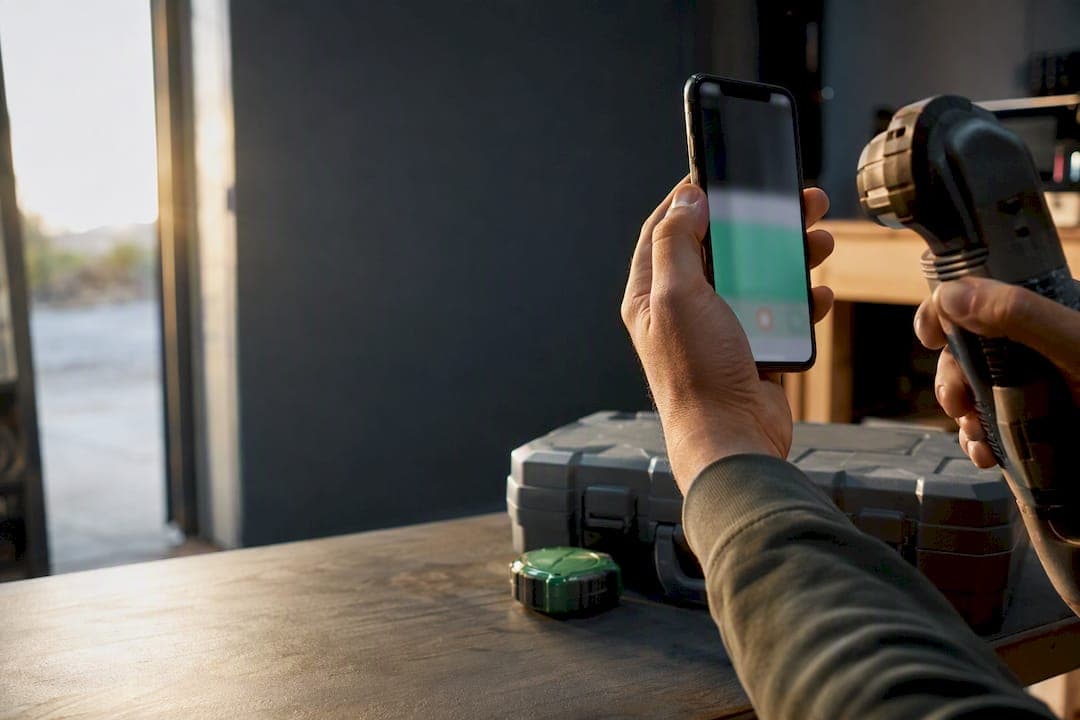
For same-day cash, walk into a pawn shop or an instant-buy retail counter. For the best price without much delay, post on a local marketplace or classifieds site and give it a few days to work. Bundle slow movers, price to move, and list locally first before you even think about shipping anything.
TL;DR:
- Selling heavy or bulky tools locally is most cost-effective, as shipping costs can quickly outweigh the item's value.
- Price tools slightly below local retail averages and consider bundling slow movers to accelerate sales.
- Using videos and clear photos in listings dramatically reduces buyer hesitation and speeds up the sale process.
- Meet in busy, public locations with cash and power tools tested beforehand to ensure safety and avoid scams.
- Selling occasional used tools generally does not require a license, but regular reselling for profit may trigger business licensing and tax obligations.
Table of Contents
- Where Can You Sell Tools Locally for Cash Fast?
- How Do You Pick the Right Channel for Your Tool?
- How Do You Prepare a Listing That Sells Fast?
- How Should You Price Tools to Sell Quickly?
- What's the Safest Way to Handle Local Meetups and Payment?
- What Marketplace Features Actually Speed Up a Tool Sale?
- What's the Best Way to Negotiate an In-Person Tool Sale?
- Do You Need a License to Sell Used Tools Locally?
- A Real-World Workflow for Clearing a Workshop Fast
- List Your Tools on Marketplaceapp and Start Getting Local Offers
- Sources
Where Can You Sell Tools Locally for Cash Fast?
Not every channel plays the same role. Some get you paid in twenty minutes; others take a week but pay better. Here's the realistic breakdown.
- Instant-buy retail counters: Same-day cash, but the offer depends heavily on brand, age, and condition, and payouts usually land well below resale value. Best for single name-brand power tools you want gone today.
- Local marketplaces and classified sites: Slower than a walk-in sale, typically a few days, but you keep more of the value. Craigslist-style classified sites tend to outperform app-first marketplaces specifically for tools and equipment, while social marketplaces work well for buyers who browse casually on their phones.
- Neighborhood apps: Good middle ground for hand tools and smaller power tools; fast local reach, moderate effort.
- Pawn shops: Cash in minutes, but expect below-market offers since the shop needs margin to resell.
- Local hardware and rental stores: A few will buy back or take used tools on consignment, and some offer sharpening or repair services that can bump resale value before you sell.
- Flea markets and garage sales: Great for clearing a full lot of hand tools at once, weak for single high-value power tools.
- Bulk/lot buyers: Contractors and resellers sometimes take an entire tool collection off your hands in one transaction, trading top price for convenience.
How Do You Pick the Right Channel for Your Tool?
The decision comes down to three questions: how heavy is it, how badly do you need cash right now, and is it one item or a pile?
- Heavy or bulky tools (table saws, compressors, welders) should stay local. Shipping costs eat the margin fast on anything over a few pounds, so a local pickup buyer almost always beats a shipped sale.
- Need cash in the next hour? Go instant-buy or pawn. You'll take a lower offer, but you'll walk out with money.
- Have a few days? Local marketplace or classifieds usually get you a better price for the same tool.
- Selling a full lot? Bundle it. A single listing for "assorted hand tools, workshop clearout" moves faster than ten separate posts, and it appeals to contractors restocking a truck.
- Not sure yet? Try the 7 to 10 day hybrid plan: list locally first, price it to sell, and if nothing bites by day 7, drop the price or expand to a shipping-friendly platform for smaller items.
How Do You Prepare a Listing That Sells Fast?
Buyers hesitate when they can't verify condition. Photos and video close that gap before anyone even messages you.
- Shoot four photos minimum: a clean main angle, a close-up of any wear or damage, all included accessories laid out, and a clear shot of the serial number or model plate.
- Record a short video demo. Power it on, run it under light load if it's safe to do so, and show any batteries or attachments actually working. Video listings cut buyer uncertainty dramatically and tend to close faster than photo-only posts.
- Write a tight description: exact model number, age or hours of use, what's included, any known defects, and your preferred meetup terms (cash only, local pickup, no shipping).
- Pack a small folder for the meetup: chargers, extra batteries, the manual if you have it, and a one-page printed bill of sale with both names, the item, price, and date.
Pro Tip: Use buyer-facing language in your title and description, like "jobsite ready" or "commercial grade." Contractors search those exact phrases, and matching their vocabulary can push your listing in front of the right buyer faster.
How Should You Price Tools to Sell Quickly?
Price is the lever you control most. Set it wrong and your listing sits for weeks; set it right and it's gone in days.
- Price slightly below the local average, roughly 10 to 25 percent under retail for professional-grade tools, to trigger fast interest without giving the tool away.
- Start a little higher than your bottom line if you're open to offers. It gives buyers room to negotiate and gives you room to accept a fair one without regret.
- Bundle slow-moving items with something in demand. A rusty hand-tool set paired with a popular drill moves faster than either would alone.
- Cut the price on day 7 to 10 if it hasn't sold, and relist with "price reduced" in the title. That phrase alone often triggers a fresh wave of views.
- List Thursday through Saturday morning if your buyer is a contractor or weekend DIYer; that's when most people are planning weekend projects and browsing local listings.
- Keep a couple of templated replies ready for common questions ("Still available?" "Does it work?") so you respond in minutes, not hours. Speed of reply often decides who gets the sale.
What's the Safest Way to Handle Local Meetups and Payment?
Meet in a busy, public spot with cameras, a hardware store parking lot or a police station lobby works well, and bring a friend if the item is high value.
- Test before you hand it over. Power tools should run in front of the buyer; battery packs should show a charge.
- Inspect cash carefully before the buyer leaves, and if the platform offers verified in-app payment options, use them instead of checks or unfamiliar payment apps.
- Watch for overpayment scams, where a buyer sends more than the asking price and asks for change back. Refuse and walk away.
- Fill out that simple bill of sale on the spot, then mark the listing sold everywhere you posted it, immediately, so you don't field ten more messages about a tool that's already gone.
For more on handling the in-person side smoothly, Marketplaceapp's guide to local marketplace etiquette covers the small courtesies that keep meetups fast and friction-free.
What Marketplace Features Actually Speed Up a Tool Sale?
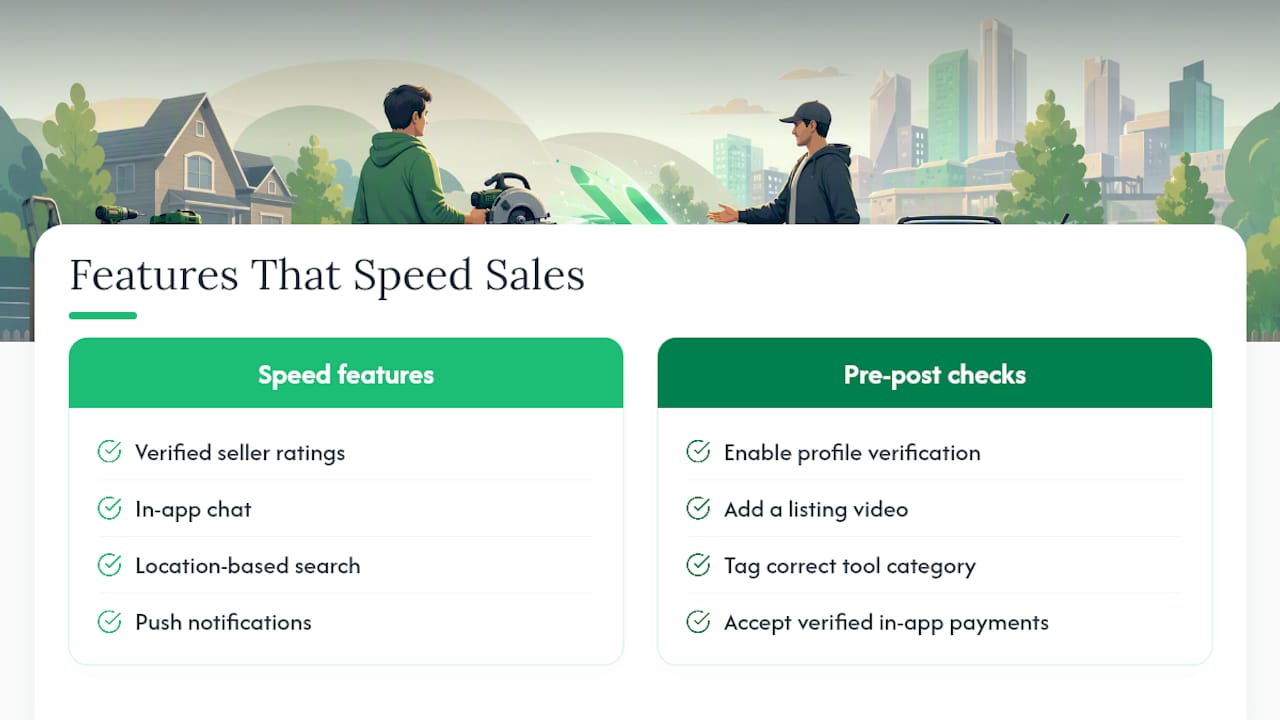
Verified seller ratings cut buyer hesitation almost immediately; strangers trust a profile with a track record more than an anonymous post. In-app chat keeps the back-and-forth in one place instead of scattered across texts, and location-based search puts your listing in front of buyers who are actually close enough to pick it up today. Push notifications matter more than people expect, a fast reply to "still available?" often decides the sale.
Before you post, run this quick checklist: enable profile verification, add a video if the platform supports it, tag the correct tool category so it surfaces in the right searches, and accept verified in-app payments when they're offered. For a deeper look at which platforms handle these features best, see Marketplaceapp's comparison of local-first selling platforms and its pricing guide for used items.
What's the Best Way to Negotiate an In-Person Tool Sale?
Local tool buyers negotiate differently than online shoppers. They're often standing next to the tool, testing it, and deciding in real time, so your response at that moment matters more than anything you wrote in the listing.
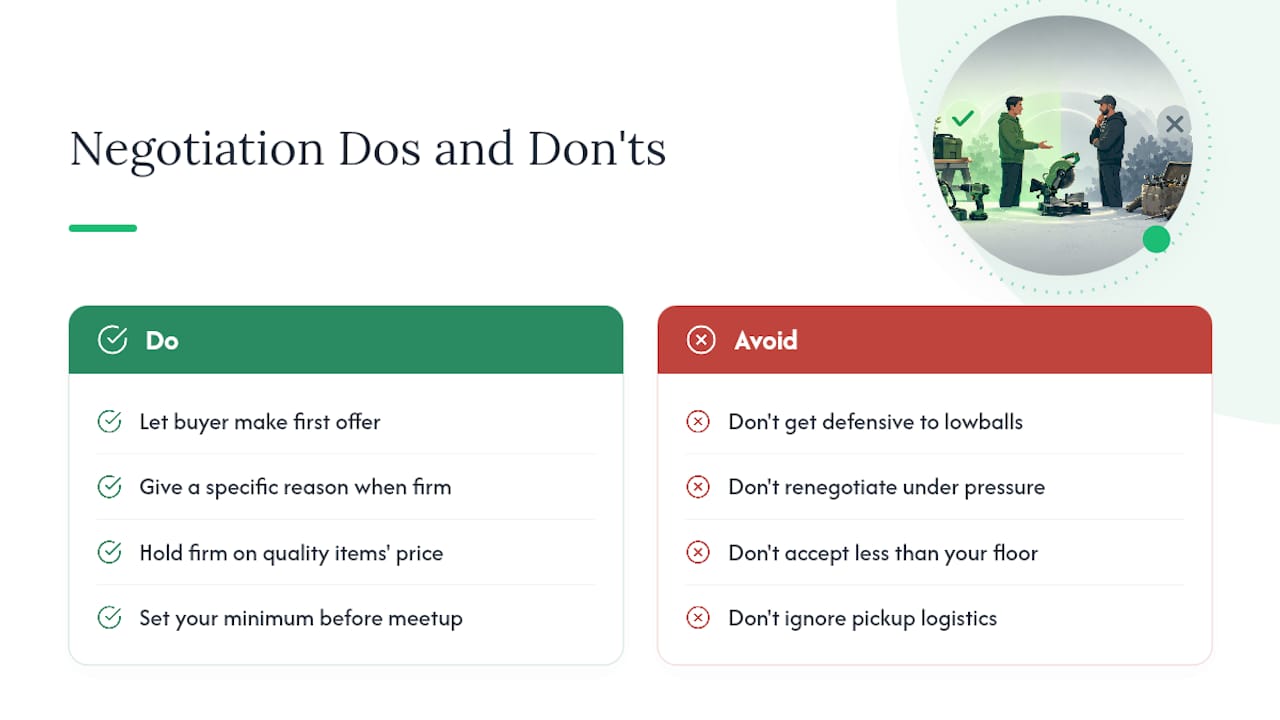
Let the buyer make the first offer once they've seen the tool work. If they lowball, don't get defensive, just restate the price you're firm on and explain why (recent battery replacement, included accessories, low hours). A specific reason lands better than a flat refusal.
Hold firm on price for tools in genuinely good condition, especially name-brand items with steady demand. But build in flexibility for bundles: if a buyer wants three items, a small discount on the total often closes the deal faster than holding out for full price on each one.
Watch for the "I only have cash for X" move, where a buyer shows up with less than agreed and tries to renegotiate on the spot. Decide your floor before the meetup so you're not making that call under pressure. If the number doesn't work, it's fine to walk away, another buyer is usually one listing refresh away.
For heavy items, negotiate pickup logistics as part of the deal with shopping and pickup service options that simplify the process. Some buyers will pay a little more if you agree to help load it into a truck; others expect a lower price if they need to bring their own equipment to move it.
Do You Need a License to Sell Used Tools Locally?
Selling your own used tools as an individual, occasionally, generally does not require a business license or permit in most areas. That threshold changes if you're regularly buying and reselling tools for profit rather than clearing out your own garage. At that point, some cities and counties classify the activity as a business and may require a general business license or a secondhand dealer permit, particularly for power tools and equipment that carry serial numbers.
Flea markets and swap meets sometimes require a vendor permit or table fee set by the market organizer, not the city, so check with the venue directly before setting up. If your workshop clearout includes items originally purchased for a registered business, keep any documentation showing you're the legitimate owner. Some local ordinances around pawn shops and secondhand dealers exist specifically to prevent stolen-tool resale, and a buyer or pawn shop may ask for ID even in a private sale.
Sales tax rules on casual, individual secondhand sales also vary significantly by state and locality, and the rules that apply to occasional private sellers differ from those covering registered resellers. If you're selling tools regularly enough that it looks like a side business, it's worth a quick check with your city clerk's office or state department of revenue rather than guessing.
A Real-World Workflow for Clearing a Workshop Fast
Sort everything into three piles: fast-sell, bundle, and hold. List the fast-sell pile first, with video, priced to move within 48 hours. Bundle the leftover hand tools into one lot listing. Set firm pickup windows so you're not fielding endless "can you do Tuesday instead" messages. A full workshop clearout usually takes a weekend of prep and a week of selling. For more tactics like this, Marketplaceapp's article library has deeper breakdowns on pricing and platform choice.
— Marketplace
List Your Tools on Marketplaceapp and Start Getting Local Offers
Some local marketplaces get your tools in front of nearby buyers quickly, with features like verified seller profiles, in-app chat, secure payment processing, and location-based search to help connect listings with local buyers.
Getting started takes minutes: create a listing, add clear photos and a quick video demo, turn on push notifications so you catch inquiries the moment they land, and pick a public, well-lit spot for the handoff. If you're clearing out a garage full of tools this week, start listing on Marketplaceapp now and see how fast local buyers respond.
Sources
- Local Selling Guide OfferUp, Craigslist, Facebook & Nextdoor
- Best Place to Sell Tools: Top Online & Local Options | Salestaxcel
- How to Sell Tools Online Fast Near Me: Complete 2026 Guide
- Where to Sell Used Tools for Cash (Online & Locally)