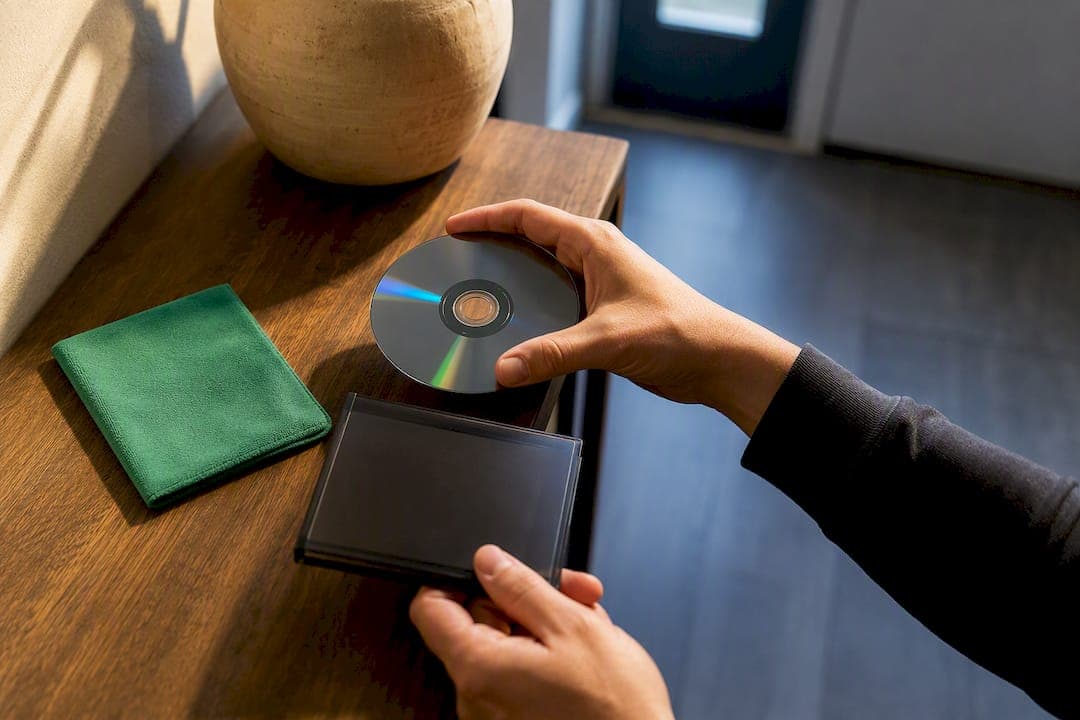
If you want cash fast, an online buyback service or a retail trade-in will pay you within a day or two. If you want the most money, sell locally, peer-to-peer, or auction rare titles, even though it takes longer. Either way, start now: grab an instant quote from a buyback site or post a local listing today, since most buyers pay through prepaid shipping labels, PayPal, or in-person cash.
TL;DR:
- Selling high-value or rare games separately through local listings or auctions can maximize profits, despite longer wait times or extra effort.
- Online buyback services offer quick payment but typically pay less than peer-to-peer sales, especially for highly sought-after titles.
- Condition significantly impacts resale value, with sealed or complete copies fetching the highest prices, while damaged discs or loose cartridges sell for much less.
- In-person cash offers from pawn shops and trade-in counters are the slowest and usually lowest-paying options, suitable only for immediate needs.
- Proper preparation, including testing, photographing, and packing games carefully, helps avoid disputes and speeds up payment, regardless of selling method.
Table of Contents
- Where to Sell Video Games: Comparing Your Options
- How Do You Sell Video Games Step by Step?
- What Determines the Price and What Gets Deducted?
- How Do You Avoid Scams When Selling Locally?
- Packing and Shipping Your Games the Right Way
- When Selling Locally Beats a Buyback Service
- How Long Does It Take to Get Paid?
- Are There Legal Restrictions on Selling Used Games?
- Editorial Take: What Actually Matters When You Sell
- List Locally on Marketplace and Get Paid Faster
- Sources
- FAQ
Where to Sell Video Games: Comparing Your Options
Every method to sell used video games trades speed for payout, and knowing that tradeoff upfront saves you from a disappointing offer.
Online buyback services give you an instant quote after you scan a barcode or enter a title. You mail your games in a prepaid box, and payment lands a few days after inspection. This route works best when you have a stack of games you want gone with zero back and forth.
Retail trade-ins at big-box game stores hand you cash or store credit on the spot. The catch: in-store offers tend to run lower than what you'd get selling direct to another gamer, because the store needs margin to resell your item.
Peer-to-peer local marketplaces let you set your own price and negotiate directly with a buyer near you. You skip the middleman markup entirely, which usually means more money in your pocket, though you handle the meetup and payment yourself.
Auction and listing sites make sense for rare, sealed, or collector-grade titles where demand is unpredictable and a bidding war can push the price well above a flat buyback quote. Expect more listing effort and seller fees eating into your final take.
Pawn shops and local buyers offer walk-in cash with no shipping and no waiting. Offers here are typically the lowest of any option, since pawn shops price to resell quickly and cover their own risk.
- Fastest payout: online buyback or retail trade-in
- Best overall price: peer-to-peer local sale
- Best for rare or collectible titles: auction listings
- Best for immediate walk-in cash: pawn shops (lowest offers)
How Do You Sell Video Games Step by Step?
The process is nearly identical no matter which method you pick. Only the middle step changes depending on whether you're shipping to a buyback service or meeting a local buyer.
- Get a quote or build your listing. Scan the barcode on buyback sites for an instant number, or write your own listing with an honest condition grade, included accessories, and a price based on comparable recent sales.
- Prepare the item. Power it on, test the disc drive or cartridge slot, wipe down the case, and take clear photos from multiple angles, including any scratches or missing pieces.
- Ship or meet, then get paid. Print the prepaid label if you're mailing it in, or arrange a safe public meetup for a local sale, then confirm the payment method and timing before you hand anything over.
Pro Tip: Photograph the serial number and any manuals or inserts before you pack anything. If a buyback service claims an item arrived damaged, timestamped photos are your best evidence for a fair payout.
What Determines the Price and What Gets Deducted?
Condition drives price more than almost anything else. A sealed or factory-new copy commands the highest price, a complete-in-box copy with case and manual sits in the middle, and a loose disc or cartridge with nothing else sells for the least, sometimes substantially below a boxed copy of the same title.
Missing pieces cost you at every tier. No case usually means a flat deduction, a missing manual is a smaller hit, and any disc with deep scratches or a cartridge with corroded pins can drop an offer to almost nothing if it won't read properly. Buyback services and marketplace buyers both grade on this scale, so accurate photos and an honest description matter as much as the item itself.
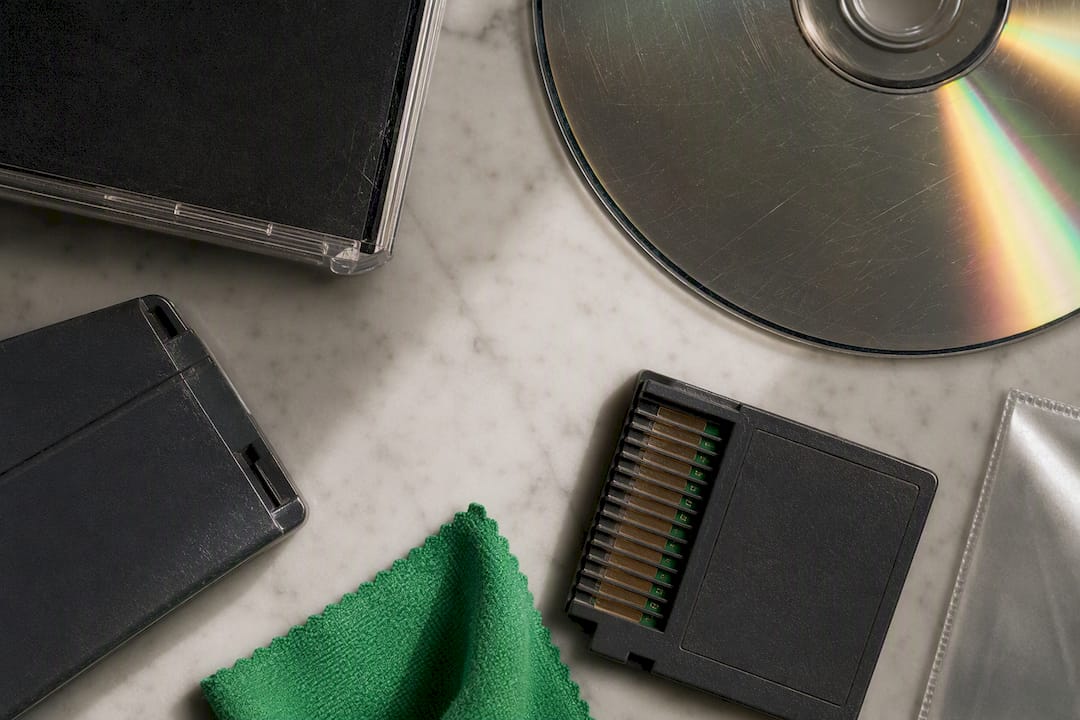
Rarity swings prices in ways condition alone can't explain. A common sports title from three years ago might be worth pocket change, while a low-print retro cartridge in good shape can sell for hundreds because supply is fixed and demand from collectors never really stops.
Bundling helps when you're clearing out common titles nobody wants individually, since buyers like a discount for taking the whole lot off your hands. It usually hurts you when one game in the stack is genuinely valuable. Selling that one separately, rather than folding it into a bundle, almost always nets more.
How Do You Avoid Scams When Selling Locally?
Payment method is where most local sales go wrong. PayPal Goods and Services gives you buyer and seller protection and is the safest option for shipped items. Venmo and similar personal-transfer apps offer no protection and were built for friends splitting a bill, not strangers buying your console. Cash in person is fine for local meetups but means confirming funds before you hand over the item.
Before you agree to sell, check the buyer's profile. Verified ratings, a real message history, and a preference for a public meetup are good signs. A brand-new account pushing to move the conversation off the platform is not.
- Watch for buyers who "accidentally" overpay and ask for a refund of the difference, which is a classic scam.
- Be wary of anyone rushing you to skip verification steps or meet somewhere private.
- For higher-value items like a rare console bundle, an escrow service holds payment until both sides confirm the trade went through, which cuts fraud risk significantly on trades where real money is at stake.
- If a buyback service rejects your item for undisclosed damage, check their inspection photos and dispute window before accepting a lower payout.
Local groups built around in-person exchanges also publish their own meetup safety guidance worth skimming before your first sale.
Packing and Shipping Your Games the Right Way
Test everything before it leaves your hands. Power on the console, run a disc or cartridge to confirm it reads, and note anything that doesn't work exactly as it should. Buyers and buyback services both dock more for a surprise defect than one you disclosed upfront.
Photograph the item from every angle, including close-ups of scratches, cracks, or worn labels. A vague description invites a lowball counteroffer or a rejected shipment.
Pack discs and cartridges the way they shipped originally, snug and cushioned so they can't shift and crack in transit. Wrap console cables separately, and include a simple packing list noting what's inside, along with the serial number if the buyer asked for it. A little care in the packaging speeds up inspection on the other end and gets your payment released faster.
When Selling Locally Beats a Buyback Service
Selling locally usually wins on price because you're not splitting margin with a middleman, and the platform's format is built to make that trade-off less risky. Verified ratings, in-app chat, and location-based search let you vet a buyer and finalize a meetup without ever leaving the conversation thread, which cuts down on no-shows and mixed signals.
A console bundle or a rare retro title is exactly the kind of item where a local sale tends to outearn a flat buyback quote. The seller protections and straightforward payment flow built into the platform handle the rest.
How Long Does It Take to Get Paid?
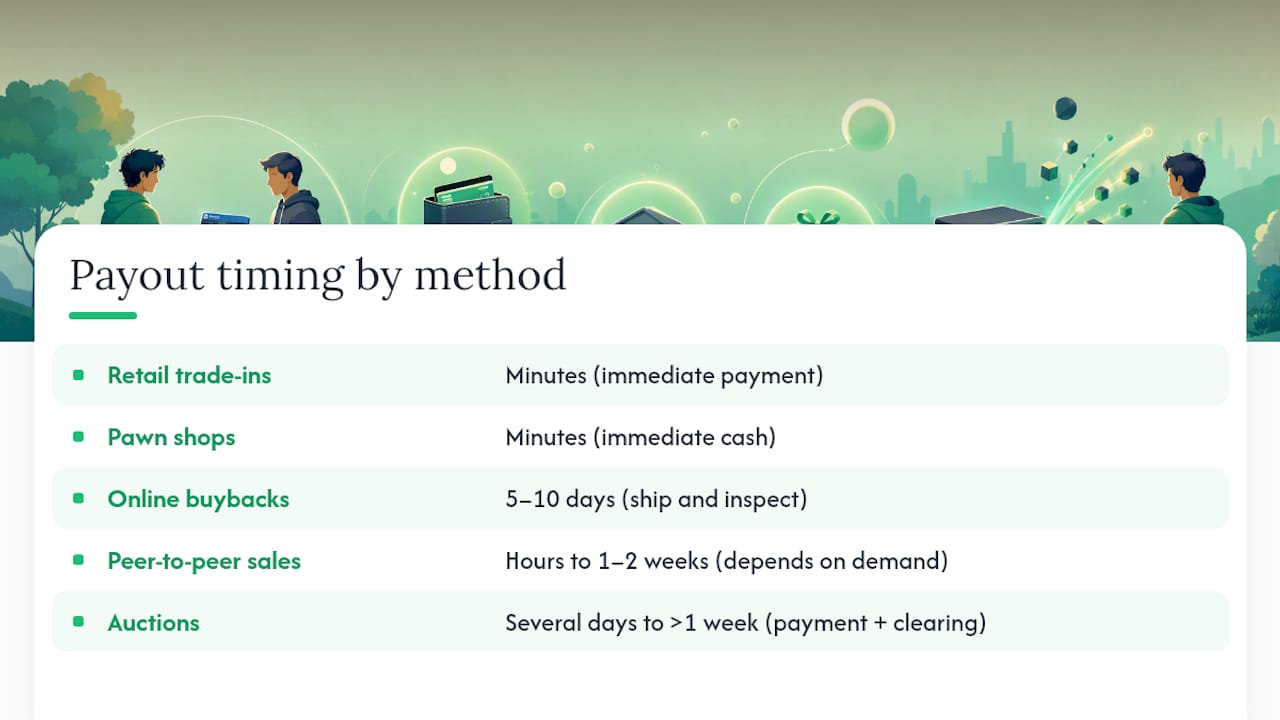
Payout timing varies more than most sellers expect, and it's often the deciding factor once price differences start to feel small.
Online buyback services are typically the slowest despite feeling instant. You get a quote in seconds, but you still have to box the item, mail it, and wait for the company to receive and inspect it before releasing payment. That round trip often runs 5 to 10 days from the day you request a shipping label.
Retail trade-ins are the fastest possible option because payment happens the moment the clerk finishes grading your item. Walk in, hand it over, walk out with cash or credit, done in minutes.
Pawn shops move at the same speed as retail trade-ins. The tradeoff, as covered earlier, is a lower offer in exchange for that immediate cash.
Peer-to-peer local sales land somewhere in the middle. Once you post a listing, the wait depends entirely on demand for that title. A popular game might sell within hours of listing, while a niche one could sit for a week or two. Once a buyer commits to a meetup, payment happens on the spot.
Auction listings are the slowest end to end. You typically set an auction window of several days to a week, then wait for the buyer to send payment before you ship, adding several more days before funds clear.
If speed matters more than squeezing out every last dollar, retail trade-in or a pawn shop wins outright. If you can wait a few days to a couple weeks, a local sale usually pays better for the same wait time a buyback service demands anyway.
Are There Legal Restrictions on Selling Used Games?
Selling a used physical game or console you legally own is generally allowed almost everywhere, thanks to the first-sale doctrine that lets owners resell copyrighted physical media without needing publisher permission. That covers the vast majority of trade-ins, buyback sales, and peer-to-peer deals.
Region locking is the practical wrinkle that trips people up, not a legal one. Some older consoles and certain game cartridges are hardware-locked to a specific region, meaning a console bought in one country's format may not play discs or cartridges built for another region's hardware. That's a compatibility issue between manufacturer and buyer, not a law being broken, but it's worth disclosing in your listing so a buyer isn't stuck with something their console can't run.
Digital-only games and download codes are a different story entirely. Most platform terms of service prohibit reselling a digital license or shared account credentials, since you never owned the software outright, only a license to use it. Stick to physical discs and cartridges when selling, and you stay on solid ground. If you're unsure whether a specific digital purchase can legally change hands, check the platform's own terms rather than assuming it works like a physical copy.
Editorial Take: What Actually Matters When You Sell
Most guides treat "best place to sell" as a single ranking, as if one platform wins across the board. It doesn't work that way. The honest answer depends on what you're optimizing for on that particular sale, and the mistake people make is applying the same method to every item in their collection.
Conventional advice leans hard on convenience: ship it to a buyback service, take whatever they offer, move on. That's fine for a pile of common titles worth grabbing a few dollars each. It's a bad call for anything with real resale demand, because you're handing away margin a local buyer would have paid without blinking.
Prioritize this: sort your games into "common bulk" and "worth negotiating" before you touch a single listing. Ship the bulk to a buyback service. List the standout titles locally, price them against real comparable sales, and take the extra few days. That split alone usually beats picking one method and running everything through it.
— Marketplace
List Locally on Marketplace and Get Paid Faster
Marketplace is the alternative to shipping your games off and hoping for a fair buyback quote. List locally, and you keep the full price a buyer is willing to pay instead of splitting it with a middleman.
Starting a listing takes a few minutes. Note the condition honestly, include clear photos of the case, disc, and any included manuals or accessories, and set a price close to what similar titles are selling for nearby. Seller ratings help buyers trust your listing, and instant chat plus push notifications mean you hear about offers the moment they come in instead of checking back later. When you're ready to turn that shelf of games into cash, start your listing on Marketplace and connect with a buyer near you today.
Sources
For pricing specifics, see how condition affects resale value and pricing tactics that speed up a sale. For safety, review local selling best practices before your first meetup.
- What Is Item Escrow? A Gamer's Guide to Safe Trades
FAQ
What Is the Best Place to Sell Video Games?
There's no single best answer: online buyback services are fastest, peer-to-peer local sales through platforms like Marketplace typically pay the most, and retail trade-ins are the quickest way to walk out with cash or credit in hand.
Can I Sell My Games to GameStop for Cash?
Yes, retail trade-in chains including GameStop typically offer both cash and store credit on the spot, though cash payouts usually run lower than the credit option and lower than a comparable local sale.
Where Can I Sell My Games for Cash?
Retail trade-in counters and pawn shops pay cash immediately, while local peer-to-peer marketplaces pay cash or digital payment at an in-person meetup, usually for a higher amount than a store will offer.
Who Pays the Most for Used Video Games?
Peer-to-peer local buyers typically pay the most since there's no retail middleman taking a cut, with rare or collectible titles often commanding even higher prices through auction listings.