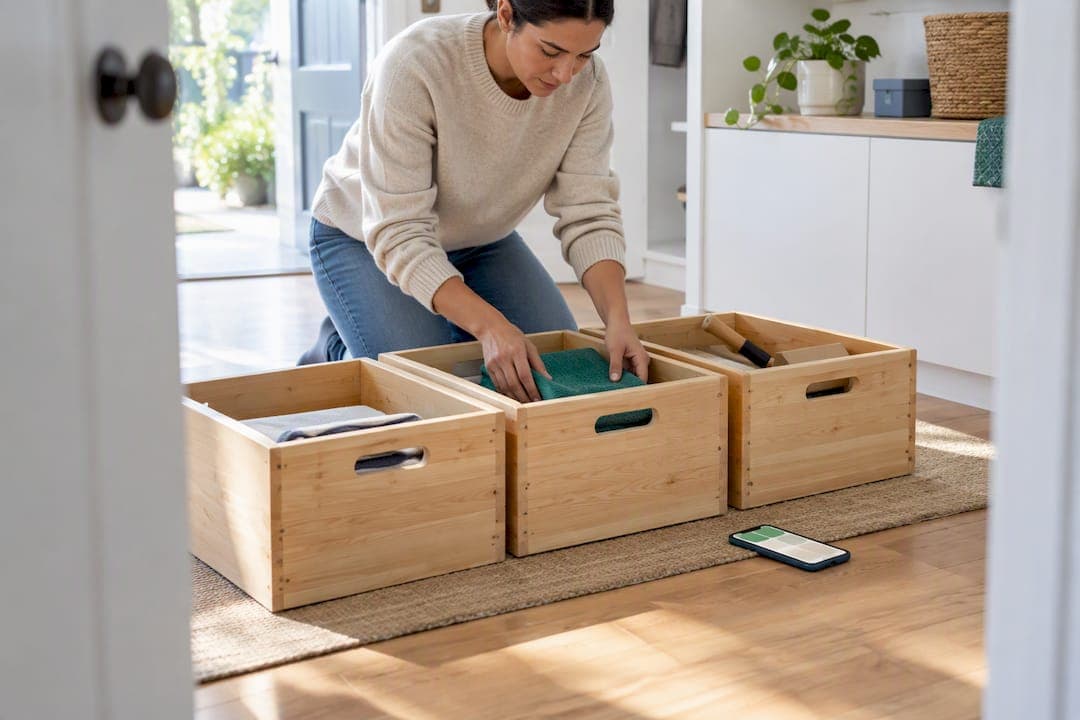
Garage sales, estate sales, thrift stores, flea markets, and local classifieds are the most reliable local channels for resellable inventory, and each has its own rhythm for finding underpriced goods. Before you hand over cash, run two quick checks: search Cpsc for the item, and pull sold comps to confirm there's margin. Build that habit into a routine, then list on a local marketplace app for a quick sale.
TL;DR:
- Focus on sourcing from garage sales early in the morning, estate sales with preview photos, and weekday thrift stores for fresh inventory.
- Always check items against recall lists and verify authenticity to avoid legal liabilities and resell unsafe or counterfeit products.
- Use recent sold prices to set realistic buy and sell ceilings, factoring in all costs to ensure a profitable margin.
- Measure, photograph, and prepare every item carefully, including minor repairs, before listing to optimize sales speed and buyer confidence.
- List items promptly on a local marketplace app with clear details and flexible pickup options to accelerate sales and secure timely payments.
Table of Contents
- Quick sourcing checklist: where to look and when
- How to evaluate items on the spot
- Pricing and margin math: how to set buy ceilings and listing prices
- Logistics and prep: pickup, transport, storage, and listings
- Legal, safety, and record-keeping essentials you cannot skip
- Build a repeatable weekly sourcing routine
- Use MarketplaceAnywhere to list fast, reach local buyers, and secure payments
- Why local sourcing still wins for small resellers
- How MarketplaceAnywhere helps you turn sourced items into sold listings
- Sources
- FAQ
Quick sourcing checklist: where to look and when
Each local channel rewards a slightly different approach. Garage sales offer the lowest prices but require early arrival and a route plan, since the best margin items go fast. Estate sales tend to hold higher-value finds like furniture, tools, and collectibles, and many list preview photos online that let you scope items and plan a discount-day visit. Thrift stores and outlet bins reward weekday runs when new stock hits the floor, since weekend shoppers pick over the obvious deals first.
Flea markets work best when you build relationships with regular vendors, who will often set aside items or offer bundle deals once they know you buy consistently. Local classifieds and community groups need a different tactic entirely: set alerts for keywords and check first thing in the morning, since good posts disappear within hours.
- Garage sales: arrive early, plan a route, and focus on low-price categories with resale demand.
- Estate sales: review preview photos, note discount days, and prioritize furniture and household goods.
- Thrift stores: shop weekdays for fresh stock and check outlet bins for underpriced items.
- Flea markets: build vendor relationships and ask about bundle pricing.
- Local classifieds: set keyword alerts and scan new posts each morning.
How to evaluate items on the spot
A fast, consistent evaluation process keeps you from overpaying or buying something you can't legally resell. Run through this before you commit to a purchase:
- Check for recalls. Search the item on Cpsc or the CPSC app. This takes under two minutes and protects you from reselling a product the agency has flagged as unsafe.
- Flag high-risk categories. Infant products, car seats, baby gear, and older electronics carry higher recall rates and liability, so inspect these closely or pass. The CPSC's Reseller's Guide recommends screening inventory against recall lists before you list anything, and our guide to car seat resale rules covers category-specific checks in more depth.
- Verify authenticity on branded items. Photograph stitching, tags, serial numbers, and hardware, and ask the seller how they acquired the piece. Retailers use similar checks when verifying designer goods before resale, comparing logo placement and material quality against known authentic examples.
- Run the condition rubric. Test that it powers on or functions, note visible wear, estimate repair risk, and price in any immediate repair cost before you make an offer.
Pro Tip: Keep a saved recall search on your phone's home screen so the check takes seconds, not minutes, at every stop.
Pricing and margin math: how to set buy ceilings and listing prices
Price using what items actually sold for, not what sellers are asking. Asking prices are aspirational; sold comps show real buyer behavior.
- Pull 3 to 5 recent sold comps in your local market for the exact item or a close match. A seller's guide to pricing used items recommends placing your list price within that sold-comp band rather than guessing.
- Calculate margin before you buy: sale price minus marketplace fees, minus cleaning or repair cost, minus transport, minus any applicable tax.
- Set a buy ceiling with a negotiation buffer. Give yourself 10 to 15 percent of room below your ceiling so you have space to negotiate at the sale without eating into margin.
- Plan your reprice cadence. If an item hasn't sold within about one to two weeks, drop the price or relist with different terms, such as offering delivery instead of pickup only.
Statistic Callout: The same pricing guide notes that small, low-cost fixes or professional cleaning often add resale value well beyond their cost, making minor prep one of the highest-return steps before you list.
Category-specific ceilings matter too. Furniture and tools tend to hold value better than fast fashion or small electronics, so adjust your buffer accordingly per category.
Logistics and prep: pickup, transport, storage, and listings
Good prep is what separates a fast sale from a stale listing. Measure every item and photograph it from multiple angles, including close-ups of any flaws, since buyers expect this before they'll commit to a pickup. Decline pickups that require more labor or vehicle space than the item's margin justifies. A bulky dresser with a $40 profit margin isn't worth renting a truck for.
- Measure dimensions and photograph from at least four angles, including flaws.
- Skip items that need special transport unless the margin clearly covers the cost.
- Do minor cleaning or small repairs first, since these often raise resale value more than they cost.
- Write titles with brand, size, and condition up front, and list clear pickup or delivery terms.
Pro Tip: Photograph the item in natural light near a window. It cuts editing time and makes colors look accurate, which reduces buyer questions later. Our guide to selling furniture locally covers transport decisions for larger items in more detail.
Legal, safety, and record-keeping essentials you cannot skip
You are responsible for not reselling recalled products, and the CPSC's Reseller's Guide recommends checking cpsc.gov/recalls and signing up for recall alerts as a standard practice. If you sell at higher volume, the INFORM Consumers Act requires marketplaces to collect and verify seller information once you exceed a certain volume of sales or gross revenue within a 12-month period, and to disclose certain seller details to buyers.
Some local jurisdictions add their own rules. New York City's secondhand dealer guidance requires detailed transaction records and multi-year retention for certain items, while Montgomery County's secondhand property law requires licensing, tagging, and a holding period before resale.
- Check every item against cpsc.gov/recalls before you buy or list it.
- Track your sales volume against INFORM Act thresholds if you sell at scale.
- Keep photos, seller contact info, transaction date, and item description for every purchase.
- Research your local jurisdiction's secondhand dealer rules before scaling up.
Build a repeatable weekly sourcing routine
Sourcing gets easier once it's a routine instead of a scramble. A workable weekly cadence might look like Saturday morning garage-sale routes, weekend estate-sale previews, a weekday thrift store check, and daily scans of local classifieds.
- Score-sift sales before you drive. Use preview photos and listing details to rank stops, and skip anything with weak photos or vague descriptions.
- Set a per-trip budget and a clear buy or no-buy rule, such as only buying items with a confirmed margin above a set threshold.
- Track what sold and what didn't each week, and adjust which channels and categories you prioritize.
Guides on estate sale routines suggest this kind of mixed-channel schedule balances margin, effort, and inventory turnover better than sticking to one source.
Use MarketplaceAnywhere to list fast, reach local buyers, and secure payments
Push notifications and location-based search can put your listing in front of nearby buyers as soon as it goes live, which can shorten the time between listing and sale. Features like seller ratings and payment options may reduce buyer hesitation. Instant chat can help arrange pickup times or answer condition questions efficiently. For more on pricing and listing mechanics, see our guides on pricing used items and starting a resale side hustle.

Why local sourcing still wins for small resellers
Local sourcing skips shipping costs, packaging time, and damage risk entirely, which protects margin on items that wouldn't survive a freight box anyway. The real advantage compounds over time: regular vendors and estate sale companies start recognizing you, and that familiarity means first access to good inventory before it hits a public listing. Pair that network with a tight sourcing routine and a fast local marketplace, and cash flow moves in weeks, not months.
— Marketplace
How MarketplaceAnywhere helps you turn sourced items into sold listings
Once you've sourced an item, the gap between pickup and payment is where most resellers lose momentum. MarketplaceAnywhere closes that gap with a three-step listing flow: create your listing, add photos and measurements, then choose pickup or delivery terms.
Secure payments and buyer verification mean you're not chasing down cash or worrying about a no-show, and instant chat lets you settle pickup details before you leave the driveway. If you're building a sourcing routine around garage sales, estate sales, and thrift finds, listing on MarketplaceAnywhere turns that inventory into sales without the friction of shipping logistics.
- Create a listing directly from your phone after pickup.
- Add clear photos and exact measurements to cut buyer questions.
- Choose pickup or delivery terms that match the item and your schedule.
Sources
Bookmark these before your next sourcing trip:
- Reseller's Guide to Selling Safer Products (CPSC)
- Stopping the Online Sale of Recalled Products (CPSC)
- What third-party sellers need to know about the INFORM Consumers Act (FTC)
- How to Price Used Items to Sell: A Seller’s Guide - Commonplace
FAQ
How do I check if an item is recalled before buying?
Search the product on cpsc.gov/recalls or use the CPSC app, which takes under two minutes per item. This step is part of the CPSC's official reseller guidance and applies before you list any used item online.
What is the INFORM Consumers Act and does it affect small sellers?
The INFORM Consumers Act requires marketplaces to collect and verify information from high-volume sellers, defined as 200 or more separate sales or $5,000 or more in gross revenue within a continuous 12-month period. Sellers below that threshold generally aren't subject to the added disclosure requirements.
How many sold comps should I check before pricing an item?
A practical pricing guide recommends checking 3 to 5 recent sold comps in your local market and pricing within that range. Sold prices reflect what buyers actually paid, unlike asking prices, which can be inflated.
Are there local licensing rules for buying and reselling secondhand goods?
Some jurisdictions require registration or licensing for secondhand dealers, such as New York City's recordkeeping requirements or Montgomery County's licensing and holding-period rules for secondhand personal property. Check your local county or city consumer affairs office, since requirements vary by location.
What's the fastest way to turn a local find into a sale?
List the item on a local marketplace app with clear photos, exact measurements, and pickup terms as soon as you get home. Platforms with location-based search and instant chat, like MarketplaceAnywhere, speed up buyer contact and reduce the back-and-forth needed to close a sale.