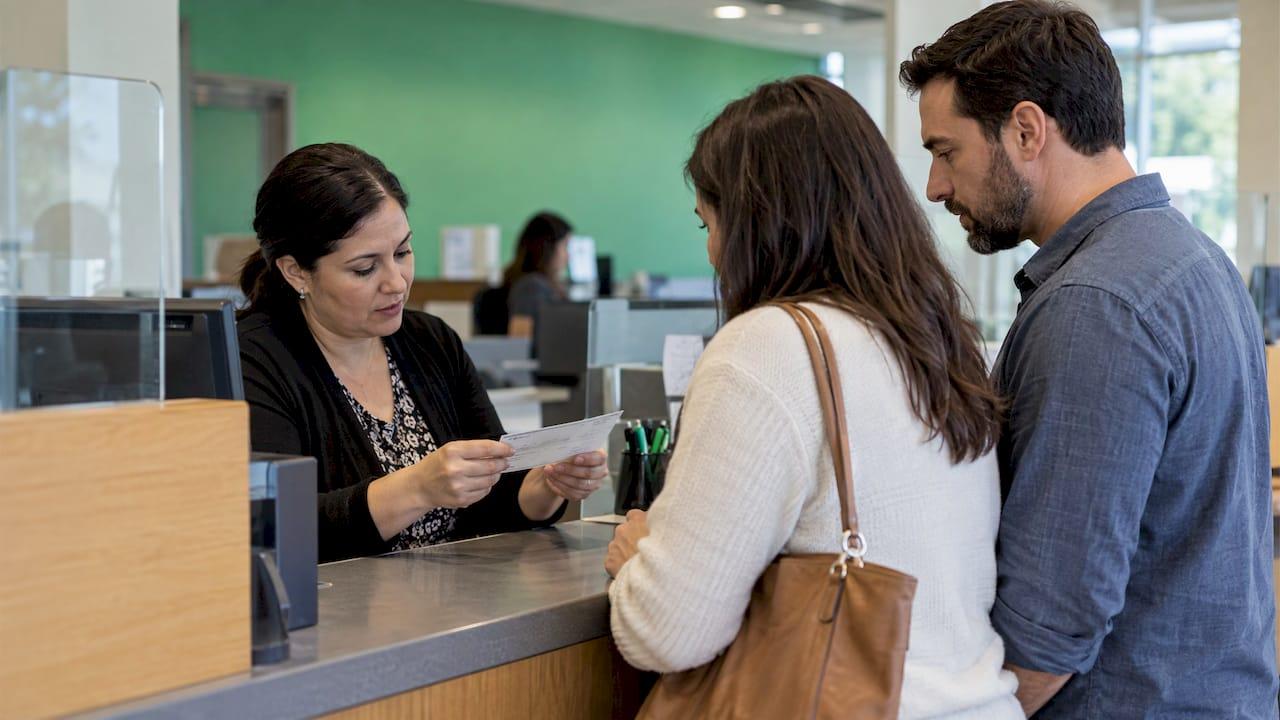
A genuine cashier's check is one of the safer ways to be paid, but a counterfeit one can cost you the item and the money. Washington State's Department of Financial Institutions says that if the check is not genuine, the person who gave up goods or services will likely take the loss. So the check itself is not the safe part. The verification is. This guide shows you how to do it, which red flags to watch for, and what to do if something goes wrong.
TL;DR
- A cashier's check is drawn on the bank's own funds, but counterfeits exist and look convincing, so never trust the paper alone.
- Verify by calling the issuing bank at a phone number you find yourself, never one printed on the check or supplied by the buyer.
- Money showing in your account does not mean the check is good. Fake checks can be discovered weeks later, and you may owe the bank the full amount.
- Never accept a check for more than the price, and never send money back to the sender.
- For local sales, ask the buyer to meet you at a branch of the issuing bank, or choose another payment method.
Table of Contents
- Are cashier's checks safe?
- How to verify a cashier's check
- The overpayment scam, step by step
- If you are buying with a cashier's check
- If you are selling with a cashier's check
- What to do if you receive a suspicious or fake check
- Safer meetups make safer payments
- Our perspective
- Sell locally with confidence
- FAQ
- Sources
Are cashier's checks safe?
They are safer than personal checks only when they are genuine. A real cashier's check is drawn on the institution's own funds, so it does not depend on the buyer's account balance. That is why sellers of cars, furniture and other big-ticket items often ask for one.
The weak spot is authenticity. The FDIC warns that counterfeit checks may use the name and address of a real bank and can look real enough to fool consumers and even bank employees. Visual inspection alone is not enough.
So the honest answer is this: a verified cashier's check is a strong payment. An unverified one is just a piece of paper someone handed you.

Why a bank teller's stamp is not the finish line
When you deposit a check, the bank often makes the money available quickly. That is a rule about timing, not a verdict on the check. Under Regulation CC, OCC guidance says cashier's check deposits generally must be available within one business day when requirements are met. Local cashier's checks generally follow within two business days and nonlocal ones within five. These are availability rules, not authenticity guarantees.

The OCC makes the same point: funds being available to withdraw is not the same as the check clearing, and a fraudulent check may be returned weeks later. The FTC adds that you may have to repay the bank when a fake is discovered.
How to verify a cashier's check
Follow these steps in order, before you release the item, the keys or any change.
- Look at the check, but don't stop there. The FDIC notes that official checks usually have watermarks, security threads and color-changing ink, though scammers can sometimes copy them. Use this as a first screen only.
- Compare the amount to the deal. The check should match the agreed price to the dollar. Any difference is a stop sign (more on that below).
- Find the bank's real phone number yourself. Use the bank's official website or the number on a card or statement you already trust. Per the Washington DFI, do not take the number from the check or from the sender.
- Call or visit the issuing bank. Ask whether it issued the check and whether the check is genuine. Be ready with the check number, issue date and amount, which the FDIC lists as the details a bank is likely to need.
- Ask your own bank whether the check has cleared. This is a separate question from step 4. The Connecticut Department of Banking says to wait until your bank confirms the check is paid before wiring money or handing over merchandise, and that this can take several weeks.
The safest version: do it at the bank
For an expensive item, Consumer Reports recommends asking the buyer to get the check from a local bank, or one with a local branch, and verifying it there. Cashing it at the issuing bank may be safer still, though a non-customer fee may apply.
In practice, that means proposing to meet the buyer inside the branch that issued the check. A buyer with a real check will usually have no problem with that. The OCC also suggests preferring a check drawn on a nearby bank, and considering an escrow or online payment service when the buyer is an unknown person from the internet.
The overpayment scam, step by step
This is the most common way cashier's checks are used against sellers. It runs like this:
- A buyer answers your listing quickly and agrees to your price without haggling.
- They send or hand you a check for more than the price. The excuse might be a mistake, shipping costs, a fee for a mover or a courier.
- They ask you to send the difference back, often by wire.
- The check turns out to be counterfeit. Your money is gone, and the bank wants the full check amount back.
The Connecticut Department of Banking describes exactly this pattern: a genuine-looking counterfeit cashier's check for more than the agreed price, with a request to wire back the difference. The FTC's rule is simple: never accept a check for more than the selling price.
The story changes but the structure doesn't. Washington's DFI notes that scammers may ask for refunds of shipping costs, rent, or lottery taxes and fees, or ask you to buy items or wire money in work-at-home and mystery-shopper schemes. An unknown person asking you to deposit a check and send money back is the warning sign every time.
More red flags to check
The FDIC suggests asking yourself a few questions about any check you receive:
- Is the named bank legitimate?
- Does the amount match the transaction you agreed on?
- Who is the sender, and do the circumstances make sense?
- Where was the envelope mailed from?
Poor grammar, unusual communications and overseas mailing are warning signs. A buyer who can't meet in person, or who pushes you to hurry, deserves extra caution.
If you are buying with a cashier's check
Buyers are protected when they deal with a genuine bank. Still, a few habits help the seller trust you and keep you safe.
- Get the check at your own bank, in the seller's area if you can. A local branch makes verification quick for the seller.
- Offer to meet at the bank. It gives both sides a way to confirm the check on the spot.
- Keep your receipt and the check details. The check number, date and amount are what a bank will ask for.
- Pay the exact price. An exact amount avoids any suspicion of an overpayment scheme.
If you are buying a vehicle, our guide to vehicle payment safety in private sales covers why proof of payment on a phone screen is not proof of payment.
If you are selling with a cashier's check
For sellers, the rule is that the item stays with you until the money is truly yours.
- Confirm with the issuing bank, using a number you found yourself.
- Ask your own bank whether the check has cleared, not just whether the funds are available.
- Refuse any overpayment and refuse to send any money back.
- For larger items, ask the buyer to meet you at the issuing bank branch.
- If you can't verify the check, say no to it and suggest another way to pay.
If you are weighing other options, our overview of the safest secure payment methods for U.S. consumers compares them. If cash is the plan instead, learn to spot fake cash with look, feel and tilt. And if a deal feels off before payment clears, read how to cancel a local marketplace deal before it is too late.
A quick comparison of how to handle the payment
| Situation | What to do | Why |
|---|---|---|
| Buyer hands you a check at a bank branch | Verify with the teller before releasing the item | The issuing bank can confirm it on the spot |
| Buyer mails or sends a check | Wait until your bank confirms it has cleared | Availability of funds is not the same as clearing |
| Check is larger than the price | Refuse it | Overpayment is the classic scam pattern |
| Buyer asks you to wire back a difference | Stop the deal | Wired money is very hard to recover |
| Unknown internet buyer, high-value item | Consider escrow or an online payment service | The OCC suggests these as alternatives |
What to do if you receive a suspicious or fake check
Speed matters. The Federal Reserve's check-fraud resource says that acting swiftly may minimize losses and improve the chance of recovery.
- Contact your bank immediately. The helpwithmybank.gov guidance says to report the fraud and notes you may owe the bank the full deposited amount.
- Contact the purported issuing bank using contact details you researched yourself, and save every document tied to the check, as the Washington DFI advises.
- Review your account activity and follow your bank's steps. The Federal Reserve resource also recommends filing a local police report and reporting the fraud to the FTC and the FBI's IC3. Report mail theft to the U.S. Postal Service.
- If you wired money, call the wire company right away. The FTC says to report the fraud and ask whether the transfer can be reversed, though recovery is unlikely.
If the buyer was met through a local listing, also read our guide on the local selling scams sellers must spot so you recognize the next one sooner.
Safer meetups make safer payments
Payment safety starts before any check appears. Meeting in a public, well-lit place, bringing a friend and agreeing on the payment method in advance all cut risk. Our local pickup tips cover meetup roles and how to get an order ready. For general manners that keep deals smooth, see our guide to local marketplace etiquette. And if you are comparing payment types for regular selling, cashless local payments and why cash still matters explains the trade-offs and fees.
Buyers and sellers who want to check the other side too can use our 5 minute check for stolen goods warning signs.
Our perspective
Most of the local deals we see go well, and the ones that don't usually go wrong at the same moment: when someone hurries the payment. A cashier's check feels official, so people relax. That is exactly when to slow down.
We built Marketplace around the idea that a local sale should be easy to start and safe to finish. That is why we focus on secure payments, verified seller ratings and direct chat between buyer and seller, so you can ask questions, agree on the payment method and the meetup place before anyone shows up with a check or cash.
Our advice is simple. Keep the conversation in the app, agree on the exact price in writing, and never release an item until the money is confirmed as yours. Our guides on safe transactions, pricing and local pickup exist so a first-time seller can act like an experienced one.
Marketplace
Sell locally with confidence
If you are clearing out a garage or looking for a deal nearby, you can list and browse across electronics, fashion, vehicles, pets, home and garden, hobbies, health and beauty, and entertainment on Marketplaceapp. Our listings are designed to help you chat directly with the other person, check seller ratings and settle on a safe way to pay before you meet.
Start with the category you know best, write a clear listing and set your payment rules up front: exact price, no overpayments, and verification before the handoff.
FAQ
Are cashier's checks safe?
A genuine one is a strong form of payment because it is drawn on the bank's own funds. The risk is a counterfeit, and the person who gives up goods or services usually bears that loss, according to the Washington DFI. Verify every check with the issuing bank before you hand anything over.
How do I verify a cashier's check?
Find the issuing bank's phone number on your own, call or visit, and ask whether it issued the check and whether it is genuine. Have the check number, issue date and amount ready. Then ask your own bank whether the check has cleared, which is a separate confirmation.
Can a cashier's check bounce after the funds show in my account?
Yes, if it is counterfeit. The FTC says funds appearing in your account do not mean the check is good, fake checks can take weeks to be discovered, and you may have to repay the bank. Wait for your bank to confirm the check has cleared.
What should I do if a buyer overpays with a cashier's check?
Refuse the check and do not send any money back. The FTC says to never accept a check for more than the selling price. Ask for the exact amount, or end the deal.
Is it safer to meet at the bank?
Yes. Consumer Reports recommends having the check issued by a local bank or one with a local branch and verifying it there. Cashing it at the issuing bank may be safer, though a non-customer fee may apply.
Sources
- Cashier's check fraud and scams, Washington State Department of Financial Institutions
- OCC Offers Tips to Help Consumers Avoid Cashier's Check Fraud
- Fraudulent Cashier's Checks: Guidance to National Banks, OCC
- How To Spot, Avoid, and Report Fake Check Scams, FTC
- Fraudulent Check Scams, Connecticut Department of Banking
- Beware of Fake Checks, FDIC
- Beware of cashiers check scams, Consumer Reports
- I was passed a fraudulent cashier's check. What should I do?, HelpWithMyBank.gov
- What To Do If Check Fraud Happens, Federal Reserve payments improvement resource