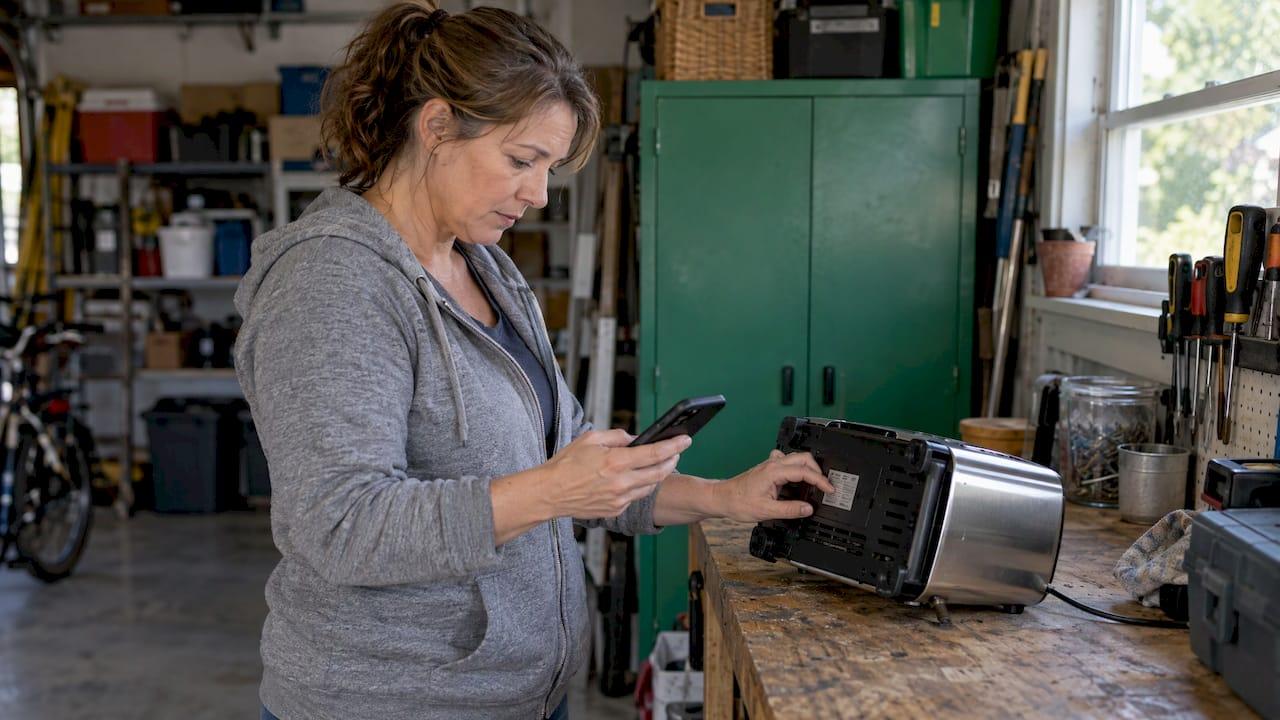
Before you list a used item, search for it in the recall database that covers it: CPSC.gov/recalls for most household products, NHTSA for vehicles, car seats and tires, and the FDA for food, drugs and cosmetics. In the U.S., it is illegal to sell any recalled product, including your old bassinet or leaf blower, and that applies to a garage sale or a local listing just as it does to a store. The check takes about five minutes per item. On Marketplaceapp, where you list electronics, fashion, vehicles, pets, home and garden, hobbies, health and beauty, and entertainment items for nearby buyers, it is the best habit to build into every listing.
TL;DR
- Search the brand, product name and model number at CPSC.gov/recalls before you list. Use NHTSA with the VIN for vehicles, and the FDA for food and cosmetics.
- Offering a recalled consumer product for sale is unlawful in the U.S., even when it is secondhand and even when you are a private seller.
- If your item is recalled, do not list it. Follow the recall notice for a free repair, replacement or refund, and report hazards you have seen.
- Photograph the label with the model, serial number and manufacture date. Buyers will ask, and you need them to search properly.
- Recall lists change, so check again on the day you list, not when you bought the item.
Table of Contents
- Why a recall check belongs in every listing
- Is it legal to sell recalled items?
- Which recall database to use
- How to check an item before you list it
- Vehicles: use the VIN
- Baby gear and other high-risk categories
- What to do if your item is recalled
- Write the listing so the check shows
- If you are the buyer
- Where Marketplaceapp fits
- Our view
- FAQ
- Sources
Why a recall check belongs in every listing
Most people who sell used goods locally are clearing out a garage, a nursery or a closet. You are not a manufacturer, and nobody expects you to test a toaster. The U.S. Consumer Product Safety Commission (CPSC), the federal agency that handles consumer product safety, says as much in its Resellers Guide: resellers do not have to safety-test used products. But you cannot sell or give away products that fail legal requirements, and recalled or hazardous items should not be passed on.
The CPSC puts the responsibility on the person selling. When you resell something, it is your job to know whether it has been recalled. The buyer cannot see a defect in a photo, and a neighbor who buys a crib from you is trusting your listing.
A recall check also protects the sale. A listing for a recalled item can be removed, a buyer who learns the truth afterward is rightly upset, and you may have a free repair or refund you never claimed.

Is it legal to sell recalled items?
In the United States, no. The CPSC says it is unlawful to offer recalled products for sale under Section 19 of the Consumer Product Safety Act. That covers online and in-person sales and secondhand goods. Selling cheaply, selling "as is" or saying the buyer accepts the risk does not change that.
Some points sellers commonly ask about:
- Giving it away. The CPSC's guide says recalled products should not be sold or given away. Putting it on a free-stuff listing does not solve the problem.
- Repairing it yourself. Do not sell a recalled item with an improvised fix. For nursery furniture and durable infant products, the CPSC's guide says that broken, unstable or incomplete items should not be sold even when they have not been recalled, and that improvised repairs are a bad idea.
- Selling for parts. Do not list a recalled product, whole or in pieces, without first checking the recall notice for what it says about the item.
The rules differ outside the U.S. Health Canada says sellers are responsible for a used product's safety even when it is free, and Australia's regulator says businesses must not sell recalled or banned products. This guide follows U.S. rules. If you sell elsewhere, use your own national recall database.
Which recall database to use
No single list covers everything. Pick the one that matches the item.
| What you are selling | Where to check | What to search with |
|---|---|---|
| Appliances, toys, furniture, tools, baby gear, most household goods | CPSC.gov/recalls | Brand, product name, model number |
| Cars, motorcycles, trucks | NHTSA recall search | 17-character VIN |
| Car seats, tires, vehicle equipment | NHTSA recall search | Brand, model, manufacture date |
| Food, supplements, medicines, cosmetics | FDA recalls | Brand, product, lot or date code, UPC |
| Product complaints and harm reports | SaferProducts.gov | Brand and product |
The CPSC says its recall data is updated weekly, while remedy information can change daily. A clean search today is not a permanent result. If your item sat in the basement while you worked up the energy to sell it, search again when you finally post it.
The CPSC also recommends that people who resell search SaferProducts.gov and review recalls before they sell, and points to recall email alerts and its mobile app. SaferProducts.gov holds consumer reports of harm, which can warn you about a problem before a formal recall exists.
How to check an item before you list it
1. Find the identifying details
A recall applies to specific models, not whole brands, so you need the details. Look for a label or stamp on the back, underside, inside a door or on the tag. Note:
- brand and product name
- model number
- serial number
- manufacture date or date code
- for food and cosmetics, the lot code and UPC
The FDA explains that recall notices identify products by description, brand, package size, UPC, lot or date codes, sometimes with images and the states or stores where the product was sold. Take a clear photo of the label now, because you will want it for the listing too. If you need a refresher on locating these numbers, our guide on how to check a serial number walks through where they usually hide.
2. Search the right database
Go to CPSC.gov/recalls and search the brand or product name, then narrow with the model number. Search the name alone first, in case the label is worn, and then compare any matches against what you have in hand.
3. Compare the notice with your item
A hit on the brand does not mean your item is recalled. Read the notice for the description, model numbers, date range and, for food, lot codes. The FDA advises comparing the description and codes in the notice with your product and following its product-specific instructions. If your model and date fall inside the range, treat the item as recalled. If you cannot match the notice because a label is gone, do not guess: leave the item out of your sale, since you cannot say it is safe.

4. Record the result
Note the date you checked and what you found. Then state it in the listing, for example "Checked against CPSC recalls on the listing date, no match for this model." Only write that if it is true.
Vehicles: use the VIN
For a car, truck or motorcycle, use NHTSA. Search with the 17-character VIN, which you will find at the lower left of the windshield, on the registration card and often on the insurance card. NHTSA says a VIN search shows whether a specific vehicle needs a recall repair, and you can enter up to 100 VINs at a time, which helps if you are selling several vehicles.
Two habits help here. First, run the VIN on the day you list, and again before the handover if the sale takes weeks. Second, put in the listing whether any recall work is done. Buyers will ask. If there is an open recall, the notice will tell you how the manufacturer fixes it, and having the repair done before you sell means a smoother sale.
Car seats get their own rules, and NHTSA recalls cover seats too. Our guide to car seat resale rules lists the checks sellers should make before they post one.
Baby gear and other high-risk categories
Cribs, bassinets, infant sleepers, strollers and high chairs deserve extra care. Recalls are common for products that babies use, and the CPSC specifically points to checking before buying or selling used infant sleep products. Check the recall list and also check the condition: missing parts, loose hardware and cracked plastic are reasons to keep an item off the market. The CPSC says cribs made before its June 2011 standard are very likely noncompliant, unsafe and illegal to sell.
Other categories where a search is worth the time:
- Space heaters, kitchen appliances and power tools. Fire and shock hazards drive many recalls.
- Electric bikes, scooters and batteries. Check the brand and the battery model separately.
- Toys and kids' furniture. Search by product name, and read the full recall notice, since some cover only certain colors or dates.
- Cosmetics and personal care. The FDA lists recalls by product and lot code, so keep the box or lot number. Quality is the other concern here: this four-step safety check for skincare shows how to spot fakes, which is useful before you list or buy beauty items.
- Items on our banned list. See the prohibited items list for what cannot be listed locally at all.
What to do if your item is recalled
Do not list it. Then:
- Read the notice. It says what to do, and often the remedy is a free repair kit, replacement or refund from the manufacturer. Remedy availability can change daily, so check the notice itself, not a screenshot.
- Stop using it if the notice says so, especially for fire, shock, fall or suffocation hazards.
- Contact the company listed in the notice to claim the remedy. The FDA suggests contacting the company if you need more information.
- Report problems. The CPSC says a person who learns a product they sell presents a hazard should immediately inform the Commission, and its FAQ directs reports to SaferProducts.gov.
- Sell only after the fix, if allowed. If the company repairs the item under the recall, you can usually describe the repair in your listing. Read the notice before you decide.
If the notice offers a refund and no repair, the refund is the outcome. The item is not for sale.
Write the listing so the check shows
A good listing makes the check visible to buyers. Include the brand, model number and manufacture date, and a photo of the label. Say what is missing, what was repaired and how old it is. Health Canada's guidance for second-hand buyers advises asking for the manufacturer, model number and manufacture date, and about age, repairs, accidents and missing parts, and that works as a template for sellers too. For wording, see our listing description tips.
Keep claims accurate. Do not write "safe" or "meets all standards" unless you know it. "Checked CPSC recalls on the listing date, no match for this model" is better because it states exactly what you did.
If you are the buyer
Buyers can use the same steps. Ask the seller for the model number and a photo of the label, run the search yourself, and ask about repairs and missing parts. For appliances, our used appliances buying guide lists what to check in person. A seller who has the details ready is usually one who has done the homework. For general safety at handover, read online classifieds safety and local selling scams.
Where Marketplaceapp fits
Marketplaceapp is a local marketplace for buying and selling used or new items in categories from electronics and vehicles to home and garden, pets, hobbies and health and beauty. Listings have direct chat between buyer and seller, verified seller ratings and location-based search, so the model number question can be answered quickly before anyone drives across town. When you are ready to clear out the garage after your checks, list your items on Marketplaceapp.
Our article library covers decluttering, pricing and safe transactions, so you can go from recall check to finished sale in one place.
Our view
A recall check is the cheapest thing a seller can do for a buyer. It takes minutes, and it turns a local sale from a gamble into a deal both sides can feel good about.
We built Marketplaceapp around local transactions, direct chat and seller ratings because trust is what makes a neighbor-to-neighbor sale work. Telling buyers the model number, the manufacture date and the date you checked recalls is that trust in practice.
Our advice is simple: check before you list, say what you checked, and keep the label photo. Sellers who do this sell faster and have fewer questions to answer.
Marketplace
FAQ
Can I sell a recalled item if I disclose the recall?
No. In the U.S., offering recalled consumer products for sale is unlawful, and the CPSC does not carve out an exception for disclosure or for secondhand sales. Follow the recall notice for a repair, replacement or refund instead.
What if I cannot find a model or serial number?
Search by brand and product name, then compare the descriptions and photos in any matching notices. If you still cannot tell whether your item is covered, the safe choice is not to list it. Buyers and recall notices rely on those details.
Do I have to test used items for safety?
The CPSC says resellers are not required to safety-test used products. You do have to make sure they are not recalled or otherwise noncompliant, and you should not sell anything broken, unstable or incomplete, especially baby products.
Does a recall check apply to items I give away?
Yes. The CPSC says recalled products should not be sold or given away, and Health Canada says the same responsibility applies to free items. Check before you post a free listing too.
How often should I re-check?
Check on the day you list. The CPSC updates its recall data weekly, so if a sale drags on for weeks, search once more before the handover.
Sources
- Stopping the Online Sale of Recalled Products, CPSC
- Resale/Thrift Stores FAQ, CPSC
- Resellers Guide to Selling Safer Products, CPSC
- Recalls and Product Safety Warnings, CPSC
- Check for Recalls, NHTSA
- FDA 101: Product Recalls, FDA
- Buying second-hand products, Health Canada
- How to sell safe second-hand products online, ACCC Product Safety